- Heat exposure right after training drives blood toward the skin and working muscles, the same circulation response strength and endurance athletes have used for decades, and it's the best-supported benefit on this list.
- Heat shock proteins rise with sauna use and are linked to muscle repair in early research, but the DOMS-reduction evidence is still preliminary, not a settled result.
- For a post-workout session, moderate heat and 15-20 minutes gets the circulation and relaxation benefit without adding heat stress on top of training stress; hotter and longer isn't automatically better.
- If you're combining sauna and cold plunge, order matters for the goal: sauna first for circulation and relaxation, cold last if the priority is recovery, since ending on heat is what supports the evening sleep benefit.
What heat does to circulation right after training.
A workout leaves muscles full of metabolic byproducts and micro-damage that need blood flow to clear and repair. Heat exposure dilates blood vessels and increases skin and muscle blood flow, which is the most direct and best-understood mechanism behind post-workout sauna use. More circulation to the area means faster delivery of oxygen and nutrients to tissue that just did work.
This is also why sauna is often described as easing next-day stiffness rather than eliminating it outright. The circulation effect is real and measurable in short-term studies, but it is a support mechanism, not a substitute for the tissue repair that happens over the following 24 to 48 hours regardless of heat exposure.
Heat shock proteins and muscle soreness (DOMS).
Heat stress triggers the body to produce heat shock proteins, a family of molecules that help other proteins fold correctly and get flagged for repair when they are damaged. Exercise itself creates some of this same signal, so researchers have looked at whether adding heat after training amplifies it. Early studies on post-exercise heat exposure and markers of muscle protein synthesis are promising but still small in scale and short in duration, a plausible pathway rather than a settled finding.
Delayed onset muscle soreness, the stiffness that peaks 24 to 48 hours after unfamiliar or intense effort, comes from microscopic tears in muscle fibers and the inflammatory response to them. Sauna use is associated with reduced perceived soreness in some smaller trials, likely through the circulation and relaxation effects above, but it does not appear to change the underlying repair timeline. Sauna can make soreness feel more manageable without shortening how long the body needs to rebuild the tissue.
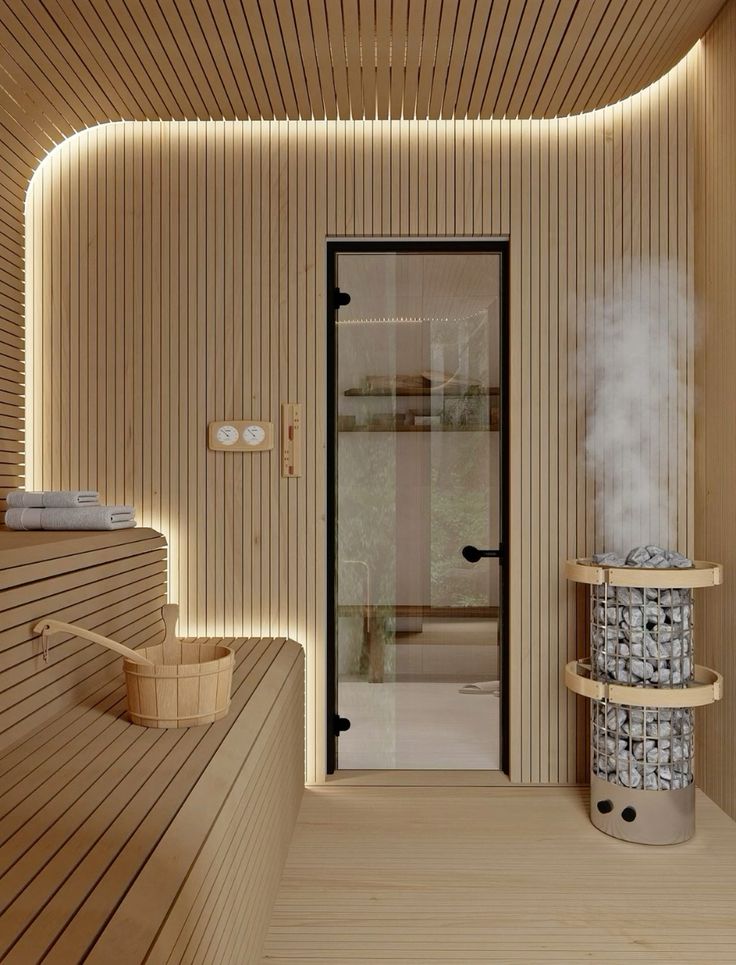
Timing, heat, and duration for a post-workout session.
Most guidance points to a short cooldown period, roughly 15 to 30 minutes after training, before entering the sauna, so heart rate and body temperature settle from the workout itself before adding another heat load. A traditional sauna session in the 15 to 20 minute range at a comfortable heat is a reasonable starting point for post-exercise use; longer or hotter is not automatically better and adds cardiovascular strain on top of the workout already completed.
Hydration matters more here than in a standalone sauna session, because the workout has already caused fluid and electrolyte loss through sweat. Rehydrate before the sauna, not just after, and treat any dizziness or lightheadedness as a signal to stop rather than push through.
Sauna before or after a cold plunge: does order matter.
The common pattern in contrast therapy is heat first, then cold: sauna to open circulation and relax the body, followed by a cold plunge to constrict blood vessels and blunt the inflammatory response. Some research suggests cold immersion done too soon after strength training may dull certain long-term training adaptations, so athletes chasing muscle growth specifically sometimes save the cold plunge for a separate day or a lower-priority session.
For general recovery rather than competitive strength gains, sauna followed by a brief cold plunge is the sequence most commonly used and studied, with each round separated by a short rest. There is no strong evidence that reversing the order provides an advantage.
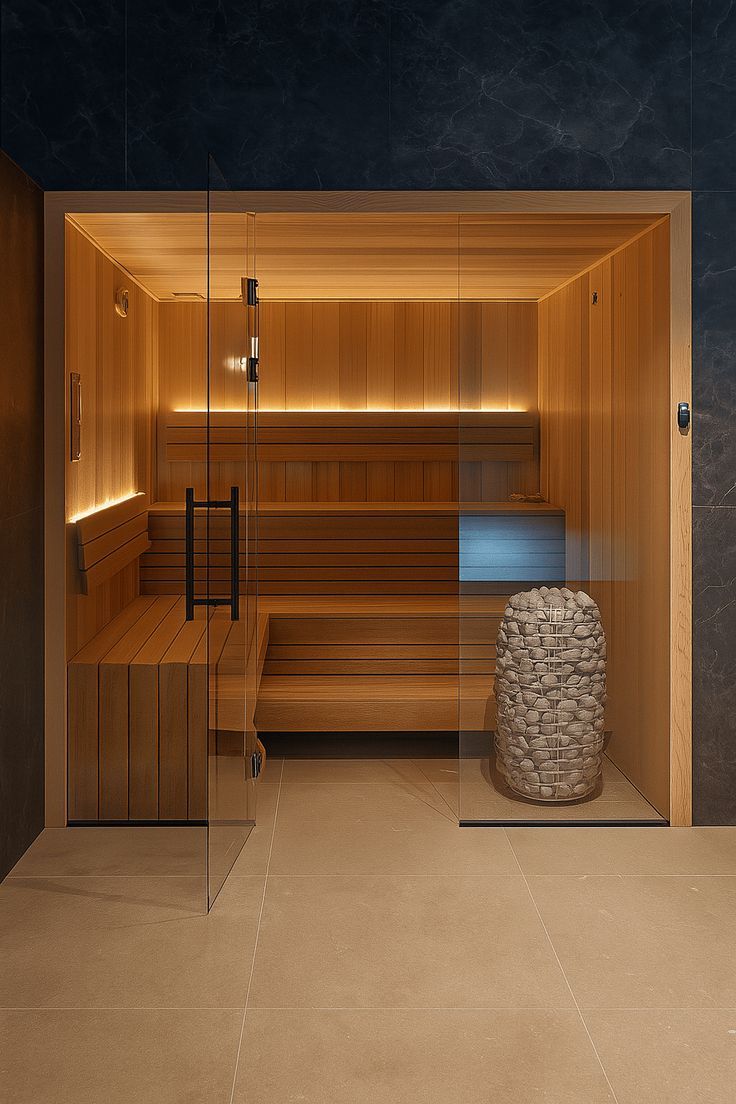
Sleep and the evening sauna habit.
An evening sauna session after training is one of the more consistently reported benefits, tied to the way body temperature drops after heat exposure, which mirrors the natural temperature dip that precedes sleep onset. People who train in the evening and use a sauna afterward often report falling asleep faster and sleeping more deeply, and this pathway has more research support than the muscle-repair claims above.
The practical takeaway is to leave enough time, generally an hour or more, between the sauna and bed so the body finishes cooling down rather than still running warm at lights-out.
Common questions.
- Is it good to sauna right after a workout?
- A short cooldown of 15 to 30 minutes after training, followed by a moderate sauna session, is a reasonable approach supported by research on circulation and perceived recovery. Going straight from a workout into a long, hot session without cooling down first adds unnecessary cardiovascular strain. Rehydrate before entering, since sweat loss from training compounds with sweat loss in the sauna.
- Does sauna help build muscle or just help you feel less sore?
- The stronger evidence is for reduced perceived soreness and better circulation to tired muscle, not for building muscle directly. Heat shock proteins triggered by sauna use are an active area of research into muscle repair, but the studies are early and small. Treat post-workout sauna as a recovery and comfort tool, not a substitute for training load, sleep, or protein intake.
- Should you sauna or cold plunge first after a workout?
- Sauna first, then a brief cold plunge, is the most common and studied sequence for general recovery, since heat opens circulation before cold constricts it. If the goal is maximizing long-term strength or muscle gains from a specific session, some research suggests separating cold plunges from that training day, since immediate cold exposure may blunt certain adaptations.
- How long should a sauna session be after exercise?
- Roughly 15 to 20 minutes at a comfortable heat is a sensible starting point for post-workout use. Longer or hotter sessions are not shown to add proportional benefit and increase the combined heat and cardiovascular load on a body that has already been working. Build up gradually and stop if you feel dizzy, lightheaded, or unwell.
- Who should skip a sauna after working out?
- Anyone with a cardiovascular condition, anyone who is pregnant, and anyone on medication affecting heart rate, blood pressure, or hydration should talk to a clinician before combining hard exercise with heat exposure, since both raise cardiovascular demand on their own. Skip it entirely if you are dehydrated, feeling unwell, or have been drinking alcohol. This is not medical advice; ask a clinician about your own situation before starting a post-workout sauna routine.
- Does sauna after a workout help you sleep better?
- An evening sauna session after training is one of the more consistently reported benefits, linked to the temperature drop after heat exposure that mirrors the body's natural pre-sleep cooling. Leave an hour or more between the sauna and bedtime so the body finishes cooling down. Sleep response varies by person, so treat this as a reasonable expectation rather than a guarantee.
Sources.
- Laukkanen T, Khan H, Zaccardi F, Laukkanen JA. Association Between Sauna Bathing and Fatal Cardiovascular and All-Cause Mortality Events. JAMA Internal Medicine, 2015.
- Cleveland Clinic — The Benefits of a Sauna
For general information only, not medical advice. Ask a clinician before starting regular sauna use.
Keep reading.
Building a post-workout recovery space?
We build traditional cedar saunas for real heat and daily use, part of an outdoor wellness setup that can include a cold plunge for contrast therapy. Send your space to start a design.