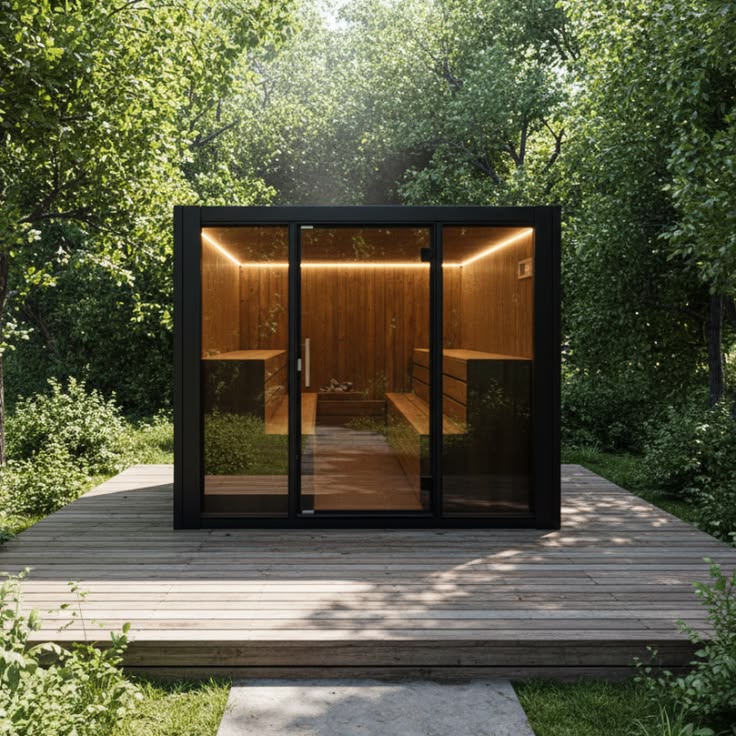
- Pick the format first: a flat-packed cabin, a partial kit, or a fully coordinated package, all built for the same outdoor use.
- Solid cedar construction and tight joinery are what survive weather and heat cycling, not just the species name on the spec sheet.
- A name-brand heater and a real warranty on the shell separate a sauna that lasts from one that doesn't; installation still goes through a licensed local electrician.
- Buying direct strips out the markup layers a dealer adds, so the same construction and heater cost less without cutting corners on materials.
Should an outdoor sauna be traditional or infrared?
Decide traditional or infrared first, because it changes everything downstream. A traditional outdoor sauna with a heater and rocks gives you high heat, steam, and the authentic ritual, and it is the format the long-running research studied. Infrared runs cooler and milder. For an outdoor centerpiece, traditional is what most premium buyers want.
Then size it for real use. Premium buyers tend to go for a four-to-six-person cabin even when two people will use it most days, because a larger cabin feels generous and handles guests. A cramped two-person box undercuts the experience.
What wood and construction make an outdoor sauna last?
The wood should be clear Western Red Cedar for a premium outdoor sauna: rot and moisture resistant, stable through heat cycling, cool to the touch, and aromatic. Knotty cedar and value species cost less and show it. Outdoors, cedar's natural weather resistance earns its place.
Then check the construction, which is where corners get cut invisibly. Solid wood with mechanical fixing and real joinery is the honest build; veneer over plywood or particleboard looks the same on day one and can off-gas at sauna heat and fail faster outdoors. Ask what is behind the surface, not just what the surface is.
What heater and warranty should an outdoor sauna have?
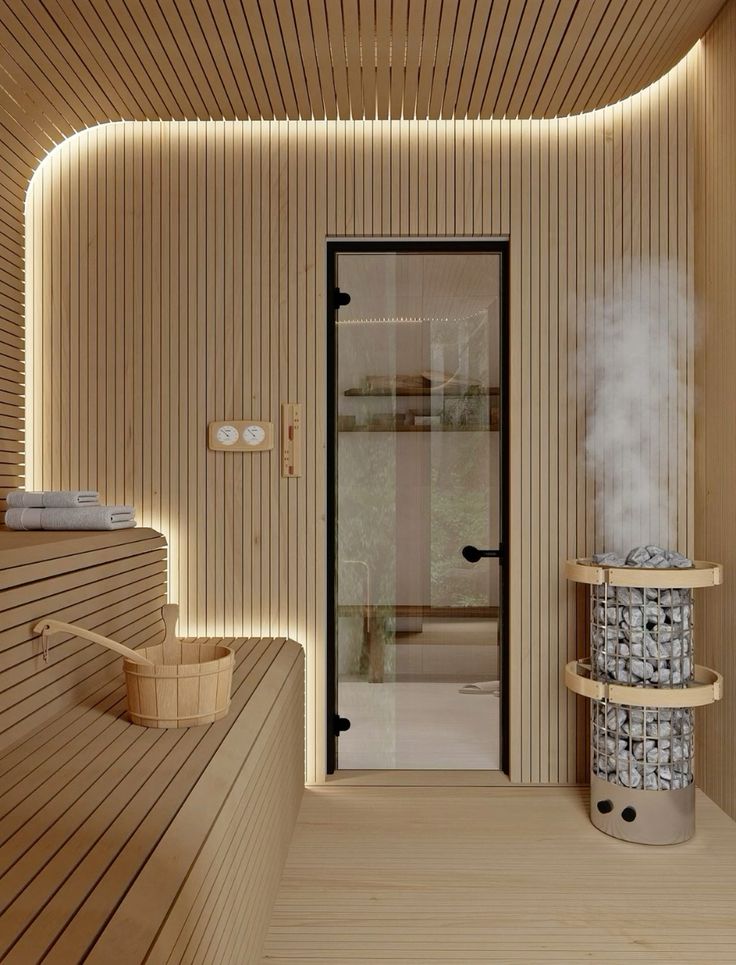
The heater is the hardest-working part and the one most likely to need service, so a name-brand electric heater with a proper controller matters more than the logo on the cabin. A generic heater is a false economy on a unit you want to last years.
Read the warranty for what it actually covers and for how long, especially on the heater and the cabin structure. A confident warranty is a signal; a vague one is a different signal.
Where the price gap comes from.
At the premium tier, much of the retail price is brand and channel rather than build cost. That means a premium-spec outdoor sauna, the same clear cedar and name-brand heater, can land well below a designer-brand equivalent when the channel is short.
Crateworks builds premium traditional outdoor saunas in clear cedar, with name-brand heaters, and ships direct to trade and homeowners, designed and coordinated as part of an outdoor wellness space rather than sold as a boxed kit. The spec is premium; the brand premium is what comes off.
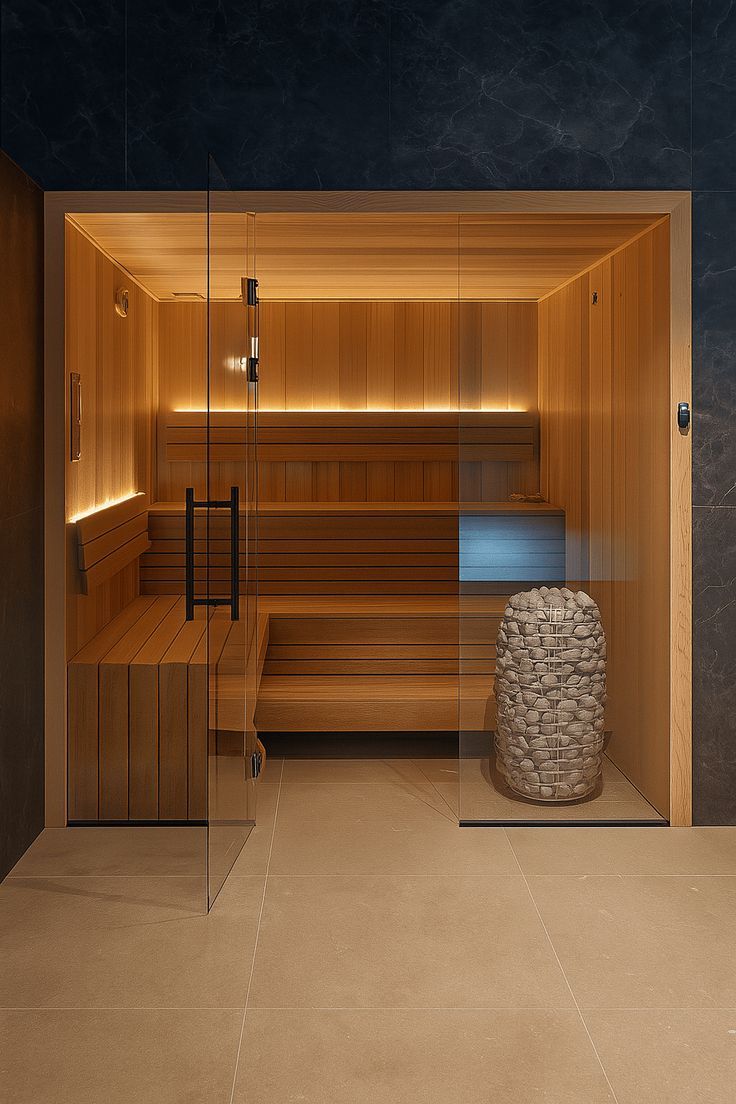
The questions that actually decide an outdoor sauna:
| Check | Premium answer | Red flag |
|---|---|---|
| Format | Traditional, heater and rocks | Unclear or infrared sold as the same thing |
| Wood | Clear Western Red Cedar | Value species or unstated grade |
| Construction | Solid wood, real joinery | Veneer over plywood or MDF |
| Heater | Name brand with controller | Generic, no-name unit |
| Warranty | Clear, covers heater and structure | Vague or short |
Common questions.
- What is the best wood for an outdoor sauna?
- Clear Western Red Cedar is the premium choice for an outdoor sauna. It resists rot and moisture, stays stable through heat cycling, stays cool to the touch, and is aromatic, and its natural weather resistance matters outdoors. Knotty cedar and value species cost less but do not match it.
- Is a traditional or infrared sauna better outdoors?
- For an outdoor centerpiece, most premium buyers choose traditional, because it delivers high heat, steam, and the authentic ritual, and it is the format the strongest research studied. Infrared runs cooler and milder. Choose based on the experience you want, but traditional is the classic outdoor choice.
- How big should an outdoor sauna be?
- A four-to-six-person cabin is the sweet spot for most premium outdoor saunas, even if only one or two people use it day to day, because it feels generous and handles guests. A two-person box saves money but undercuts the experience.
Keep reading.
Choosing an outdoor sauna?
Send your space and we design a premium clear-cedar traditional sauna to it, heater and all, as part of a wellness package, indoor or outdoor.