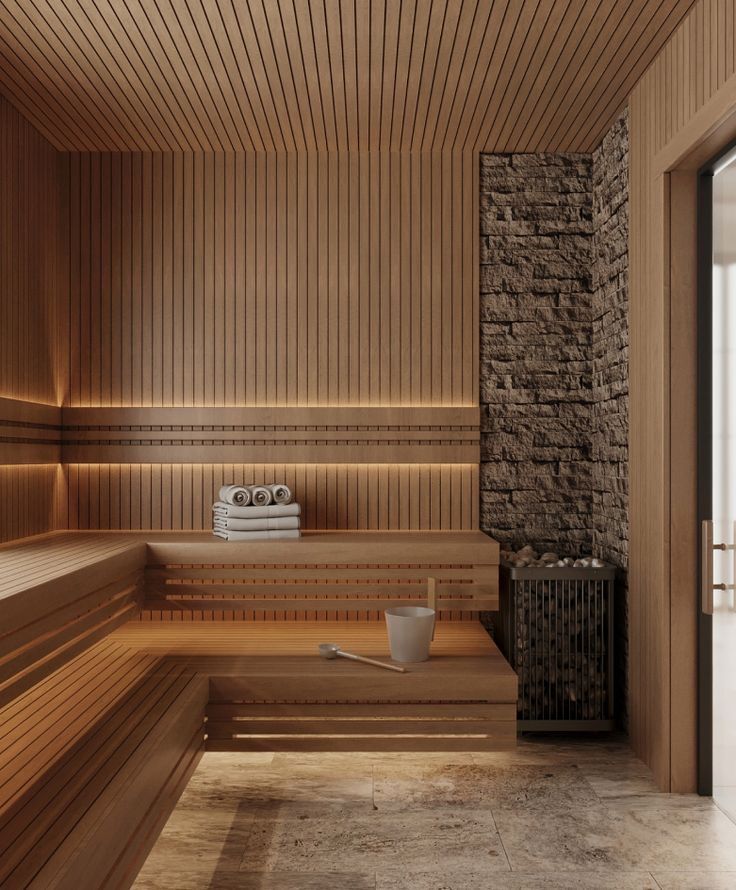
- Traditional and infrared saunas aren't tiers of the same product, they heat you differently: traditional uses a heater and rocks to warm the air to 150-195F (with optional steam), while infrared panels warm your body directly at a cooler 110-140F room temperature.
- The strongest research base, including the largest long-term cardiovascular study, is on traditional Finnish-style sauna use; infrared has smaller studies behind it. This is general health information, not medical advice, and isn't a substitute for talking to a doctor.
- Neither wins outright: traditional fits people who want higher heat, steam, and the classic sauna ritual; infrared fits people who want a cooler room, shorter sessions, or a smaller footprint since the panels need less space and less power.
- Crateworks sources the cedar shell and structure for either style, from a flat-packed cabin to a fully coordinated indoor or outdoor package; the heater is a name-brand unit like Harvia, and installation, including any electrical work, goes through a licensed local contractor.
Which is better, traditional or infrared sauna?
If you want the classic sauna experience, real heat you can feel on your skin, and the option to throw water on the rocks for steam, traditional is the answer. If you want a lower-temperature session you can sit in for longer with less intensity, and you care most about a milder warmth, infrared is the gentler option.
The deeper split is the evidence base and the feel. Most of the long-running research on sauna use was done on traditional saunas, and the premium and designer market spec traditional almost without exception. Infrared is the newer, milder format.
How do traditional and infrared saunas heat you differently?
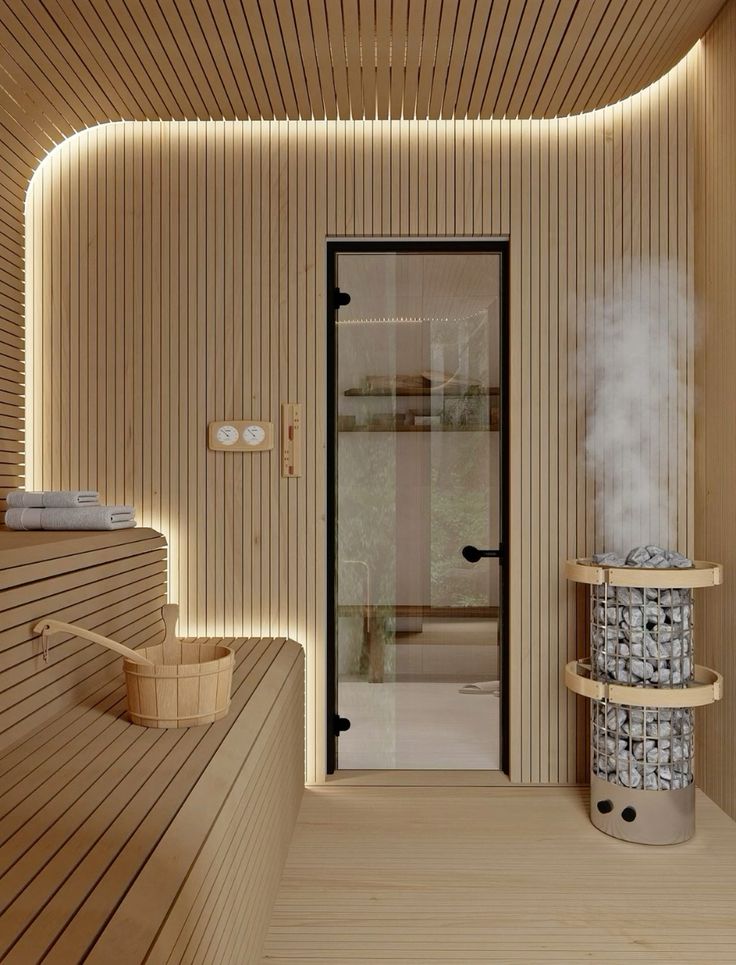
A traditional sauna heats the air, and the hot air heats you. The heater warms a bank of stones, the stones hold and radiate heat, and the whole cabin reaches a high temperature. Pouring water on the stones releases löyly, the burst of steam that spikes the perceived heat and humidity. That steam-on-demand is the part infrared physically cannot do.
An infrared sauna does not heat the air much at all. Panels emit infrared that your body absorbs directly, so you feel warm while the cabin stays comparatively cool. That is why infrared runs at a lower temperature and why some people find it easier to tolerate for a longer sit.
What does the research say about traditional versus infrared sauna?
The most cited body of sauna research comes from Finland, on traditional saunas. A long-running cohort study (Laukkanen and colleagues) followed thousands of men over roughly two decades and reported that more frequent traditional sauna use was associated with lower cardiovascular and all-cause mortality. It is observational research, it studied traditional heat, and it is not medical advice, but it is the reason traditional sauna gets cited in serious wellness conversations.
Infrared has its own studies, generally shorter and on smaller groups. The honest read is that the heaviest, longest-running evidence sits with traditional, which is part of why the premium market leads with it. If a specific health goal is driving the decision, that is a conversation for a clinician, not a sauna brand.
Which sauna type fits which buyer?
Traditional suits the buyer who wants the authentic ritual, the steam, the social heat, and the format the research and the high-end market are built around. It is the right call for an outdoor cabin, a project that wants a centerpiece, and anyone chasing the real thing.
Infrared suits the buyer who wants a milder, lower-temperature session, often indoors, and is less concerned with steam or the traditional ritual. Both are valid; they are just different products wearing the same name.
How does Crateworks source a traditional or infrared sauna?
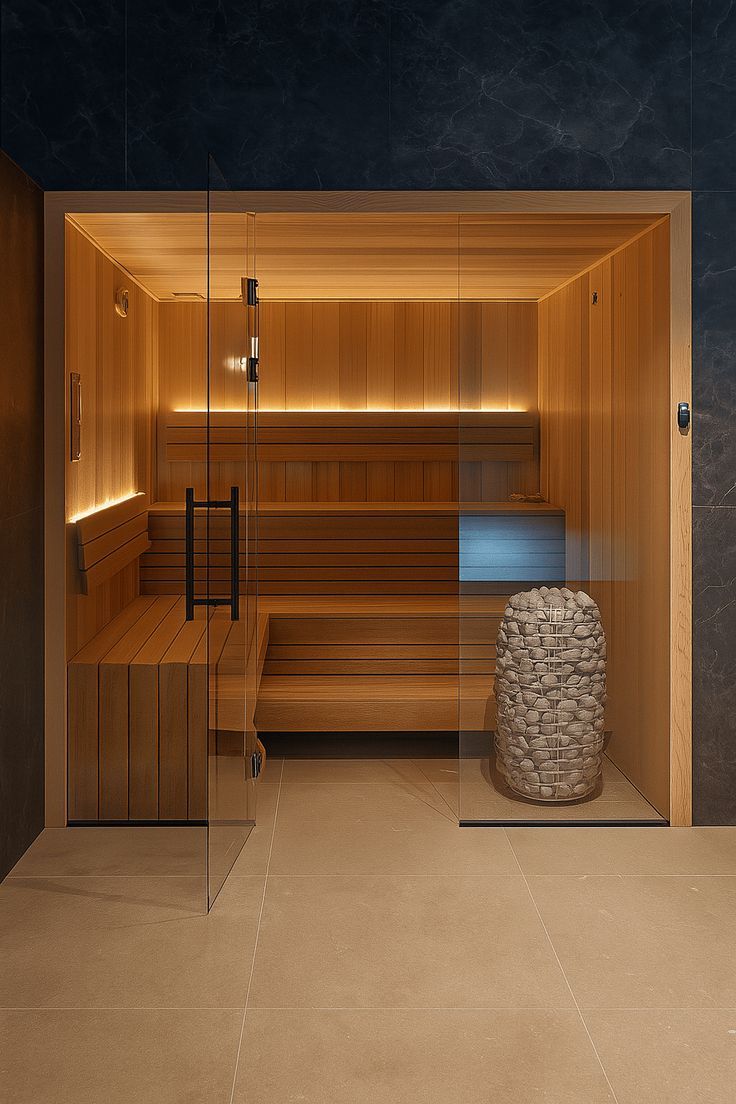
Crateworks leads with traditional Finnish-style saunas in clear Western Red Cedar, built to order and sold direct to trade and homeowners, which keeps a premium-spec cabin well below the branded equivalent. The heater is a name-brand unit specified and installed locally, not a generic no-name element, because the heater is the part that runs hard and has to last.
So the framing is not traditional versus infrared on price. It is whether the authentic, steam-capable, research-backed format, bought direct at premium spec, lands at a number that makes the branded premium look like what it is.
A side-by-side on what actually decides it:
| Factor | Traditional (Finnish) | Infrared |
|---|---|---|
| How it heats | Hot air and radiant rocks | Panels warm the body directly |
| Temperature | 150 to 195°F | 110 to 140°F |
| Steam (löyly) | Yes, water on the rocks | No |
| The experience | Intense, authentic, social | Mild, lower-temperature |
| Research base | Long-running, traditional-focused | Shorter, smaller studies |
| Premium market | Spec traditional almost always | Newer, value to mid tier |
Common questions.
- Is a traditional or infrared sauna better?
- Neither is universally better; they are different products. Traditional gives you high heat, steam on the rocks, and the format most sauna research studied. Infrared gives you a milder, lower-temperature session some people find easier to sit in. If you want the authentic experience and the steam, choose traditional; if you want gentle warmth at a lower temperature, choose infrared.
- Is infrared safer or healthier than traditional?
- The largest and longest-running sauna studies were done on traditional saunas, so the heaviest evidence sits there. Infrared studies tend to be shorter and smaller. Neither claim should drive a medical decision; if you have a specific health condition, ask a clinician before regular sauna use.
- Can you pour water on the rocks in an infrared sauna?
- No. Infrared saunas use radiant panels and have no heated rock bed, so there is no löyly steam. The water-on-the-rocks ritual is unique to traditional saunas with a heater and stones.
- Which costs more to run?
- Infrared draws less power per session because it runs at a lower temperature, so its running cost is usually lower. Traditional reaches a higher temperature and uses more energy to get there. Running cost is rarely the deciding factor at the premium tier, where the experience and build quality lead the decision.
Sources.
- Laukkanen T, Khan H, Zaccardi F, Laukkanen JA. Association Between Sauna Bathing and Fatal Cardiovascular and All-Cause Mortality Events. JAMA Internal Medicine, 2015.
- Cleveland Clinic — The Benefits of a Sauna
For general information only, not medical advice. Ask a clinician before starting regular sauna use.
Keep reading.
Planning a traditional sauna?
Send the space and the look you are after and we design a clear-cedar traditional sauna to it, heater and all, as part of a wellness package, indoor or outdoor.