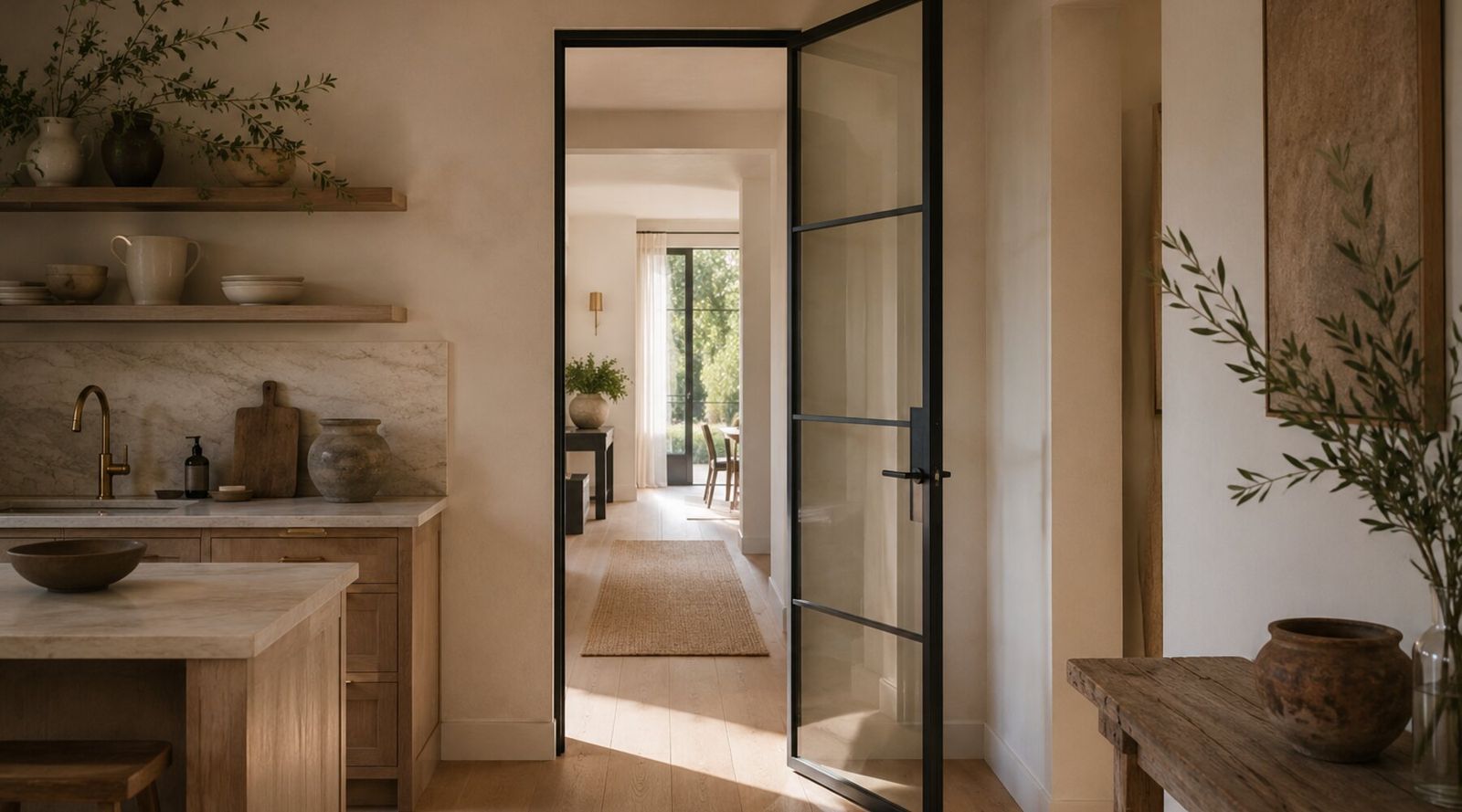
Seventeen interior door types.
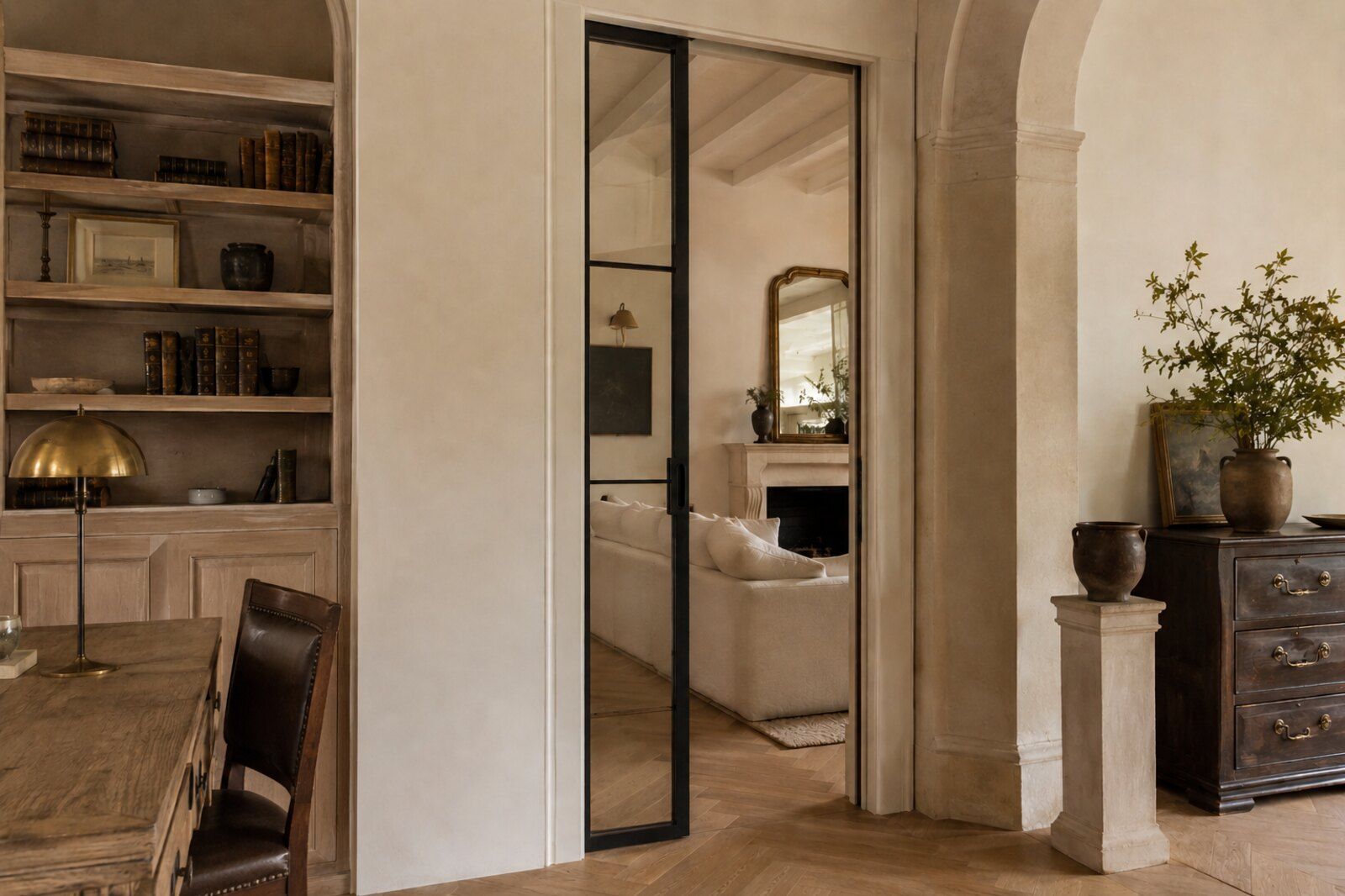
Pocket doors
A panel that slides into a cavity inside the wall and disappears, leaving the doorway completely clear. Customized to your wall.
Read more →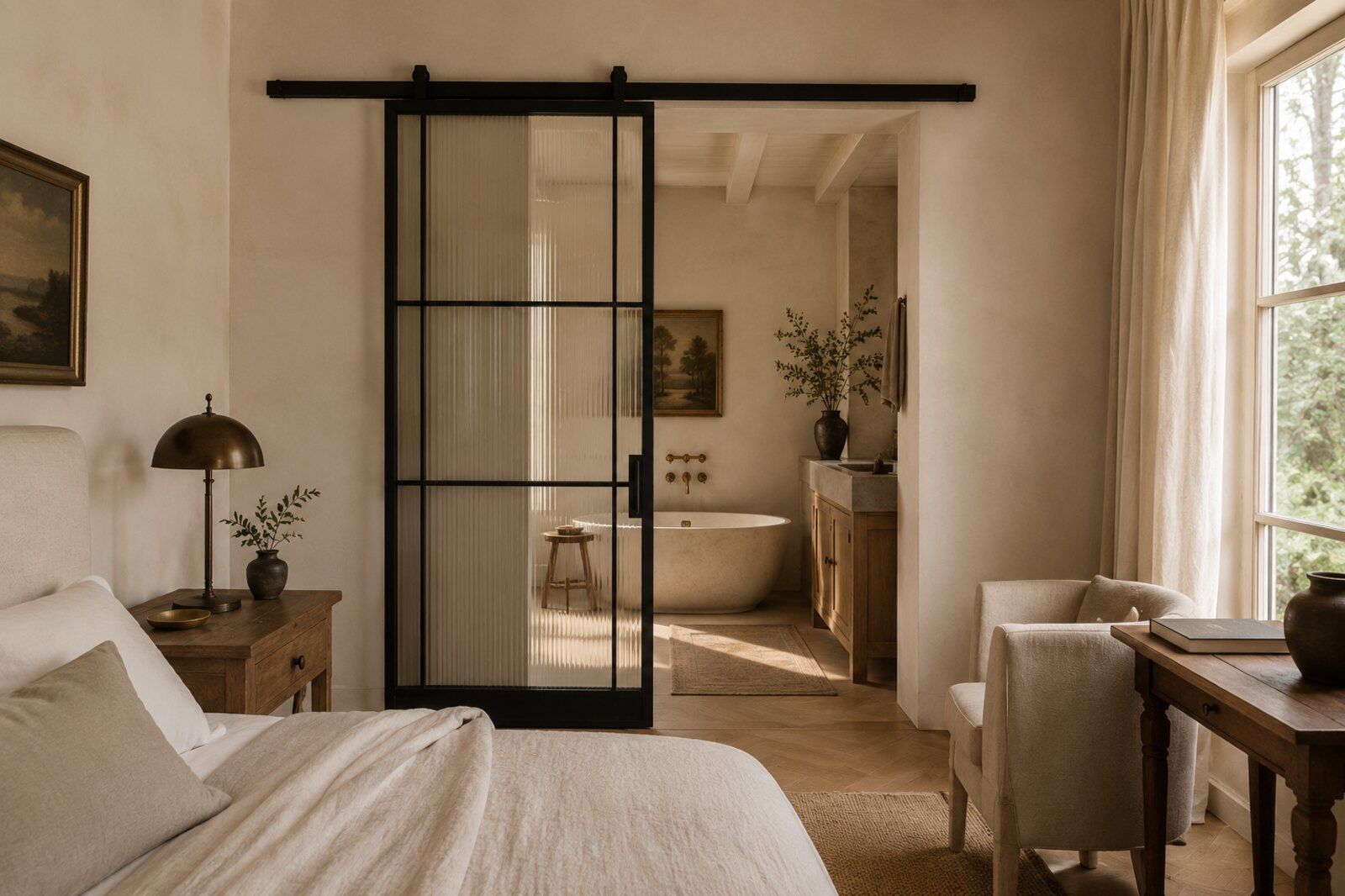
Barn doors
A single panel that slides across the wall face on an exposed track. In slim aluminum it reads modern, not rustic.
Read more →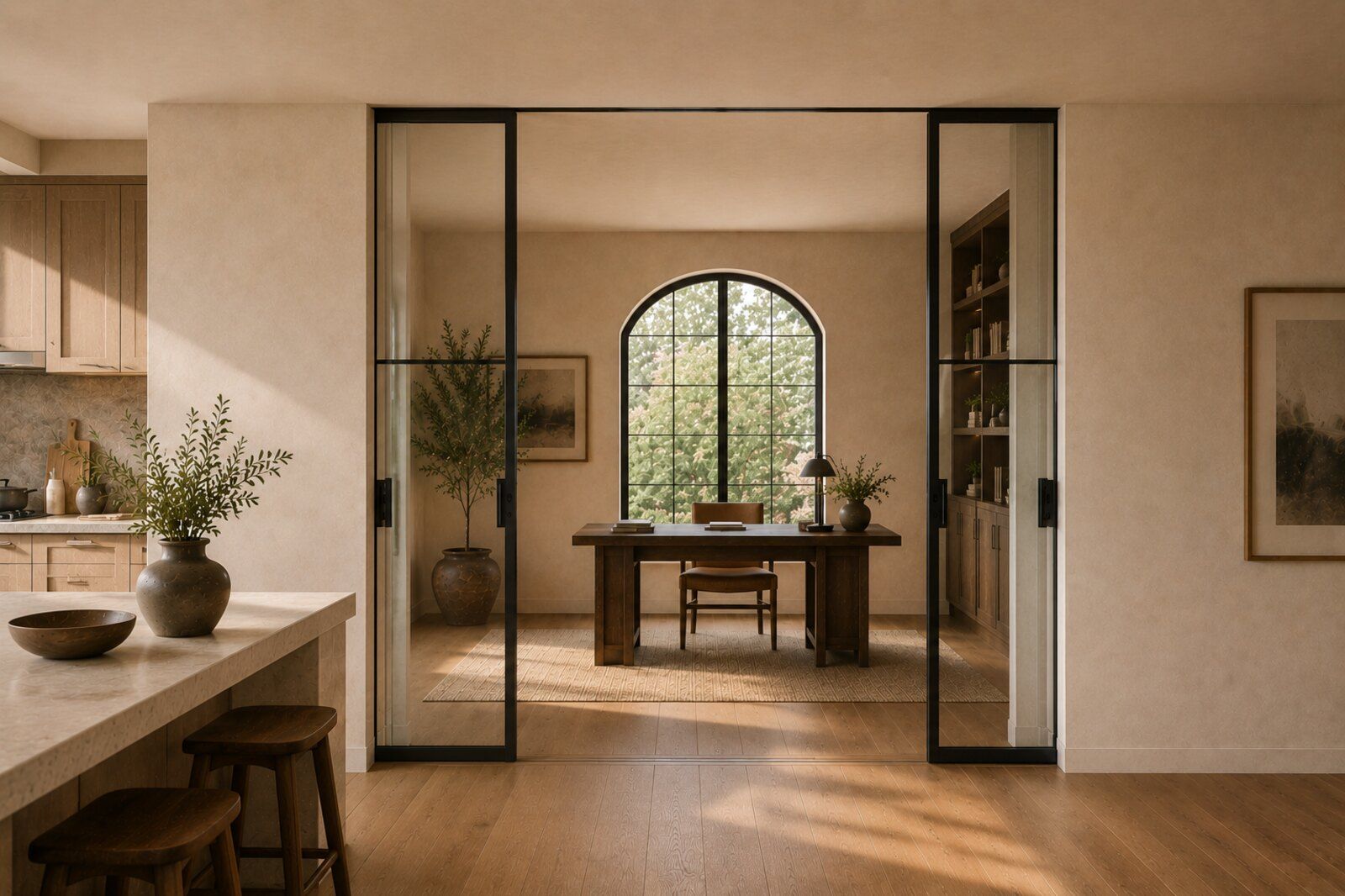
Sliding doors
Glass panels that slide flush along a track to divide a room without a door swing eating floor space.
Read more →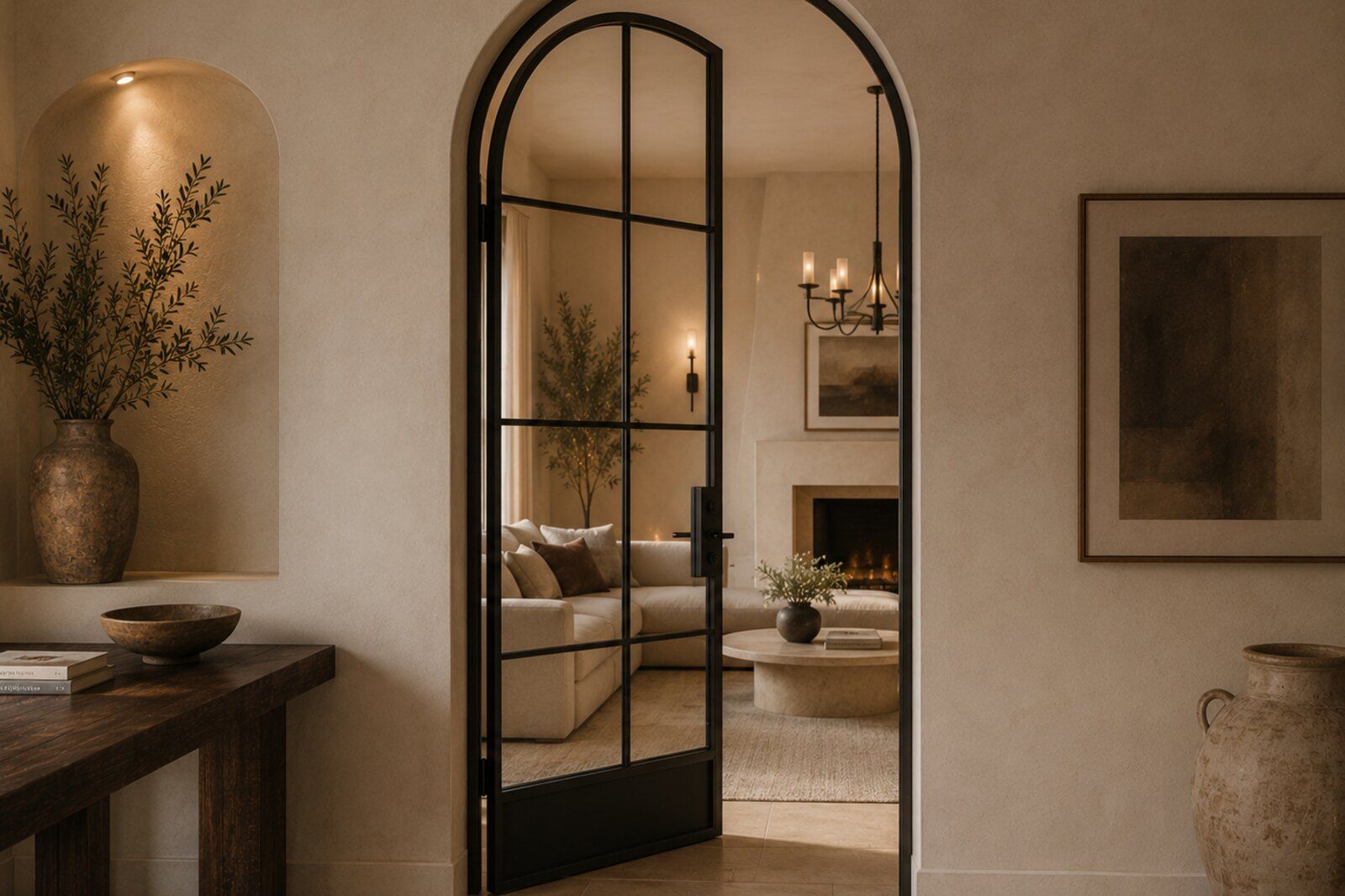
Swing doors
A single hinged glass panel in a slim aluminum frame. The clean default for a study, pantry, or ensuite.
Read more →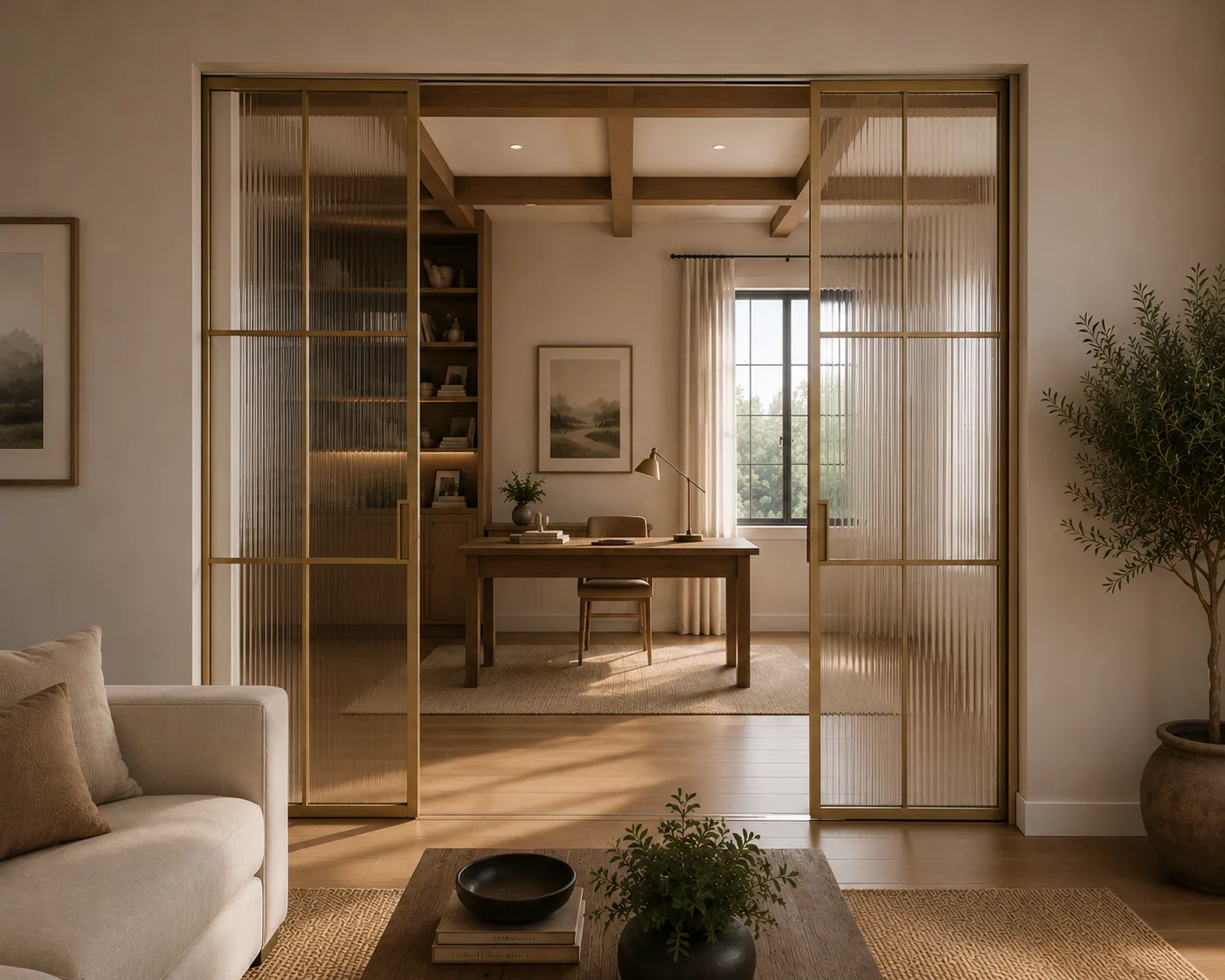
Glass partition walls
Floor-to-ceiling fixed glass that splits an open plan into rooms while keeping the light. Common in offices and loft conversions.
Read more →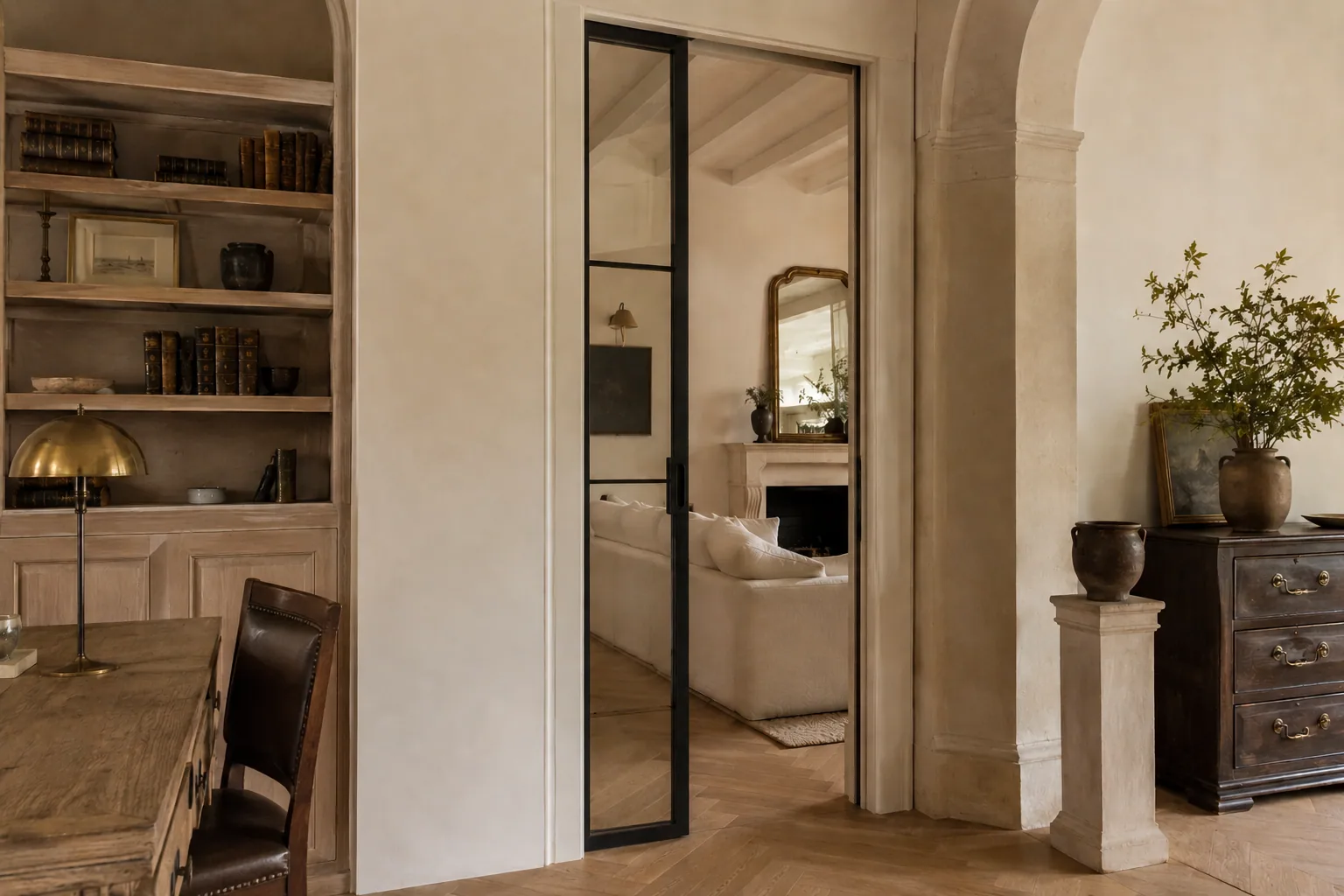
Folding doors
Panels that concertina back against the wall, opening two rooms into one when you want it.
Read more →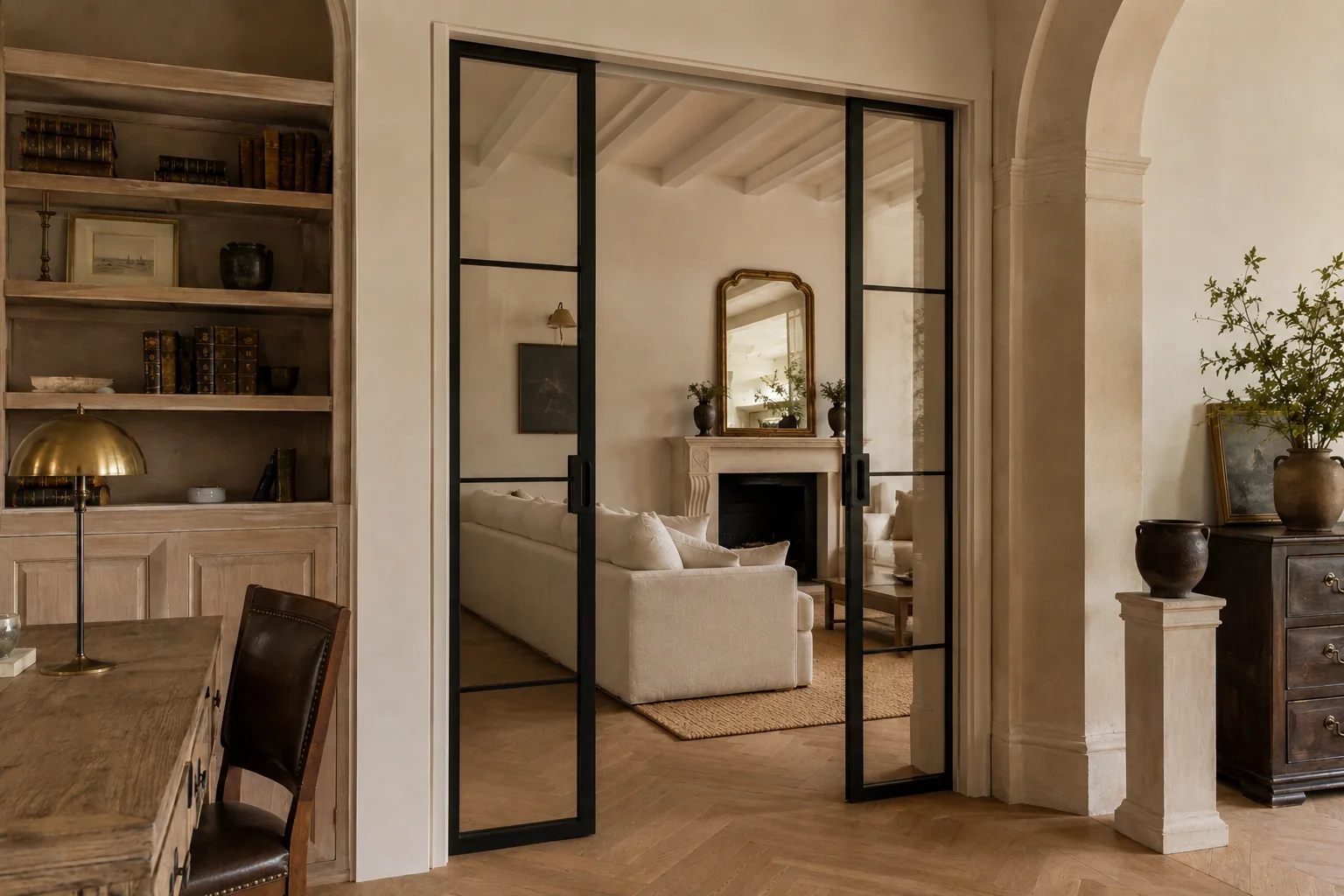
Pivot doors
A tall panel that turns on a top-and-bottom pivot instead of side hinges. The statement entrance between living spaces.
Read more →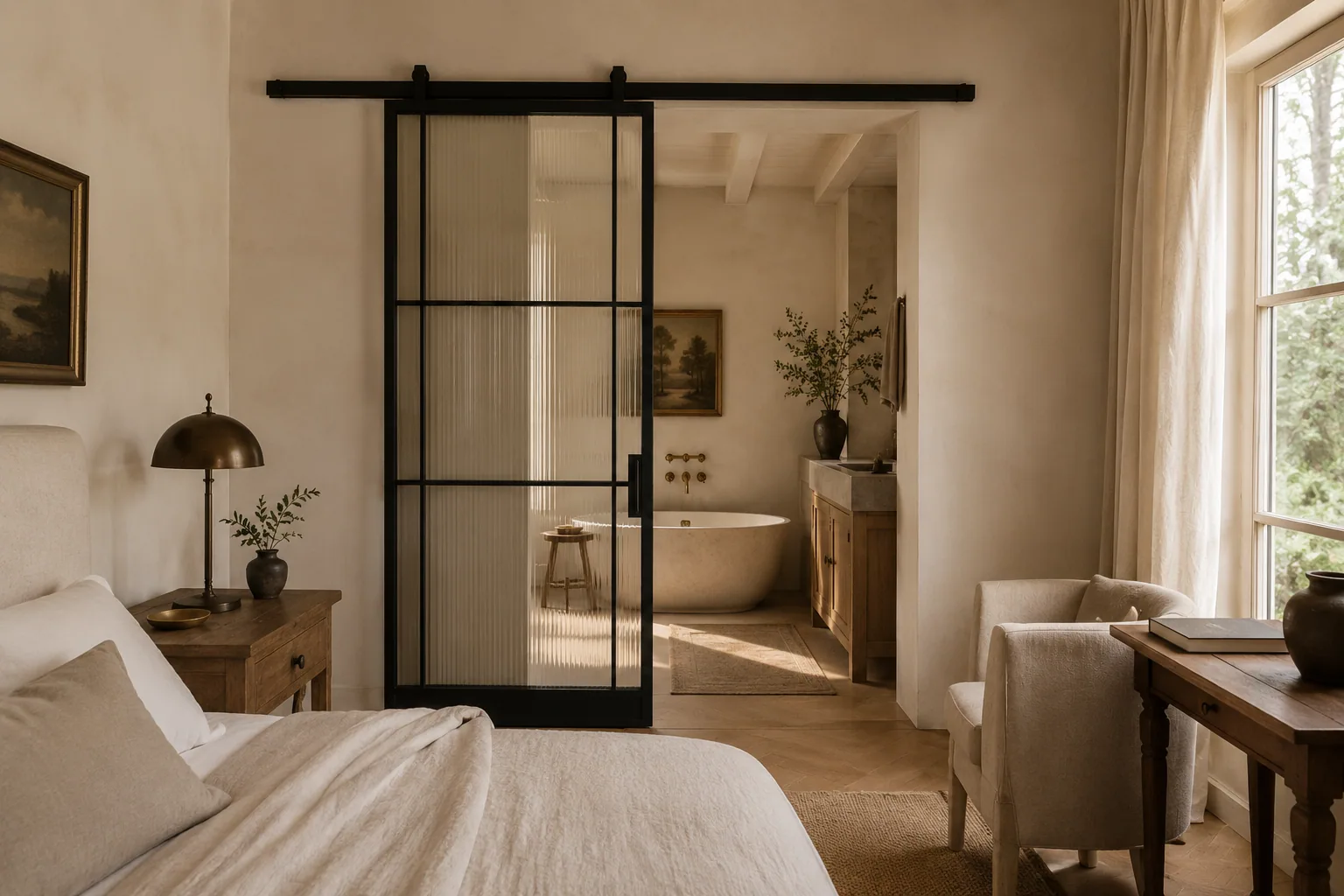
Motorized pivot doors
A pivot panel that opens at the touch of a button. Rare at this price anywhere else.
Read more →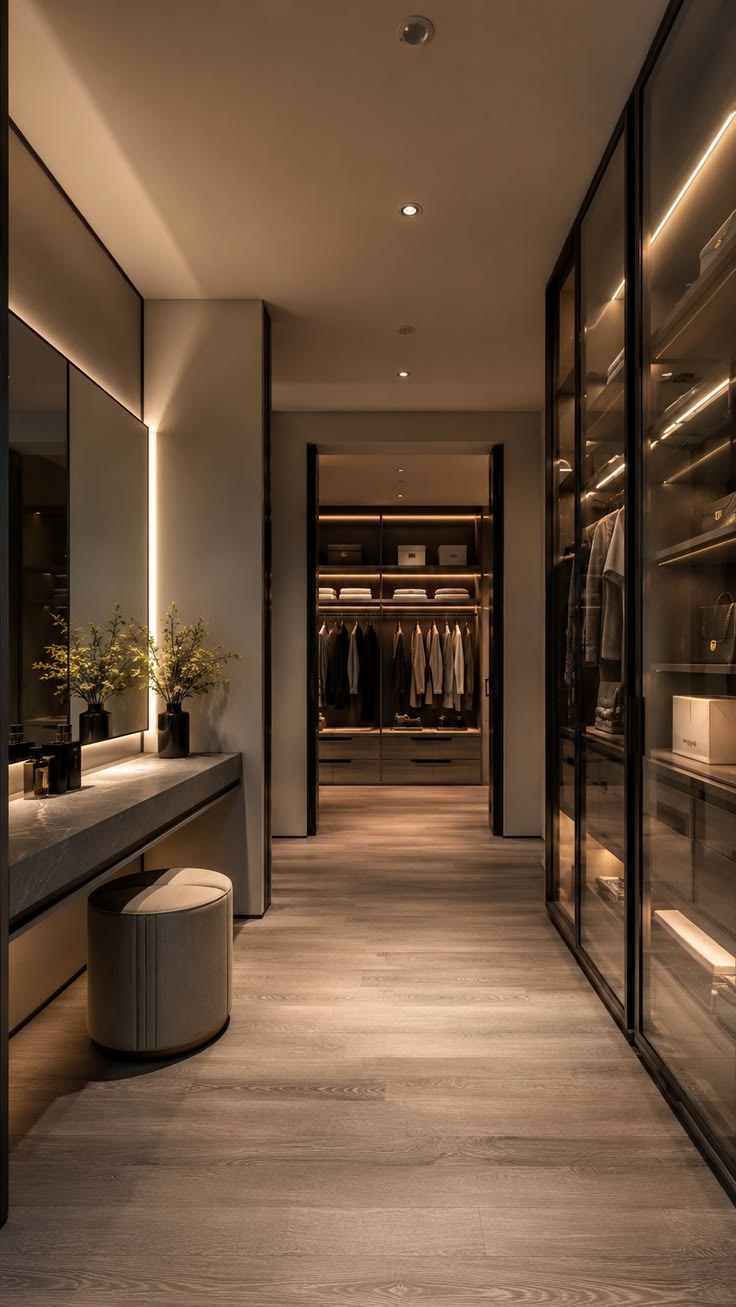
Closet doors
Sliding, bypass, mirror, and custom-glass closet doors in the same slim aluminum frame as the rest of the interior range. Not a hollow-core slab.
Read more →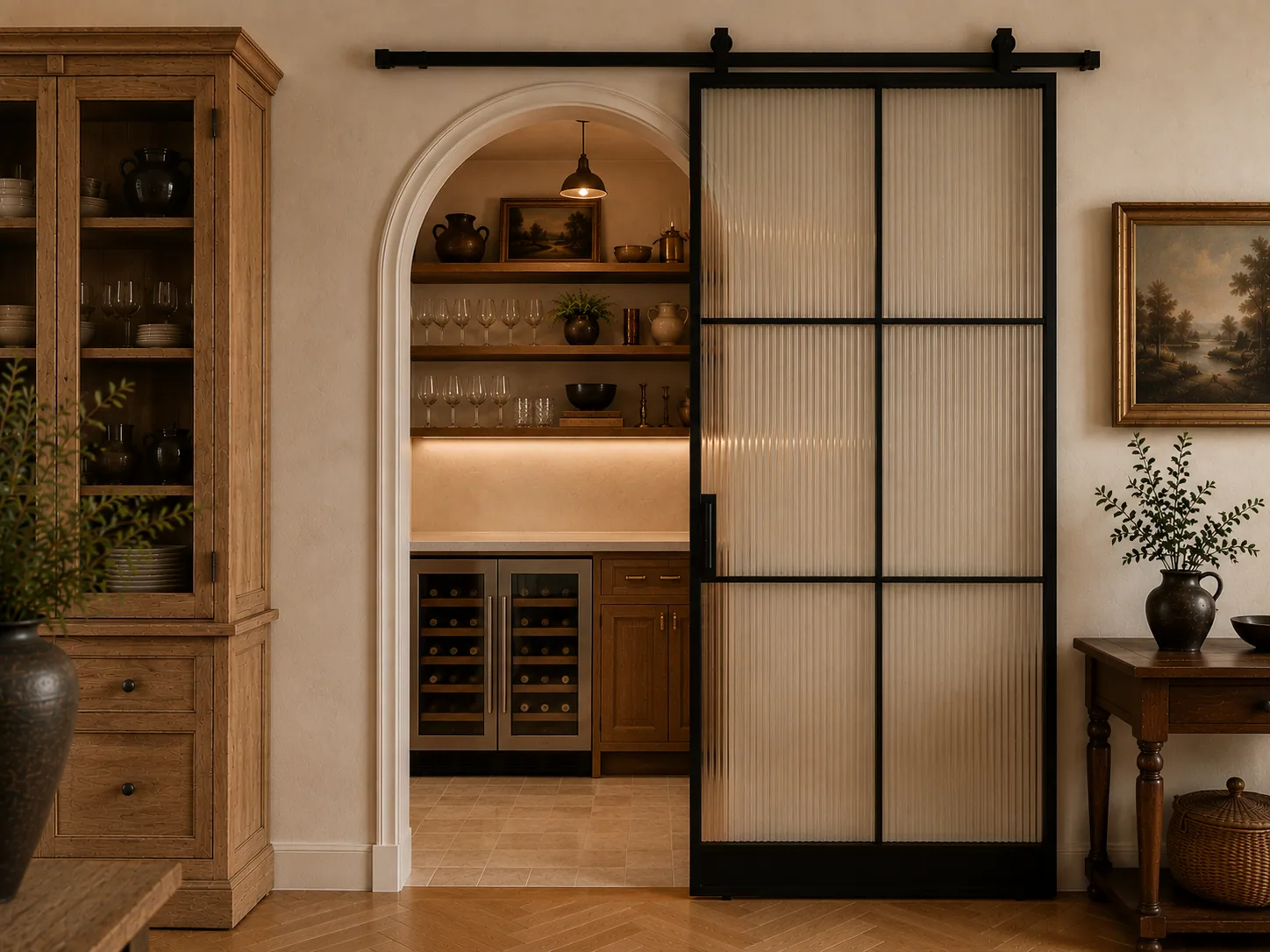
Hidden doors
Concealed pivot and wall-flush panels that disappear into the wall. The door that does not read as a door.
Read more →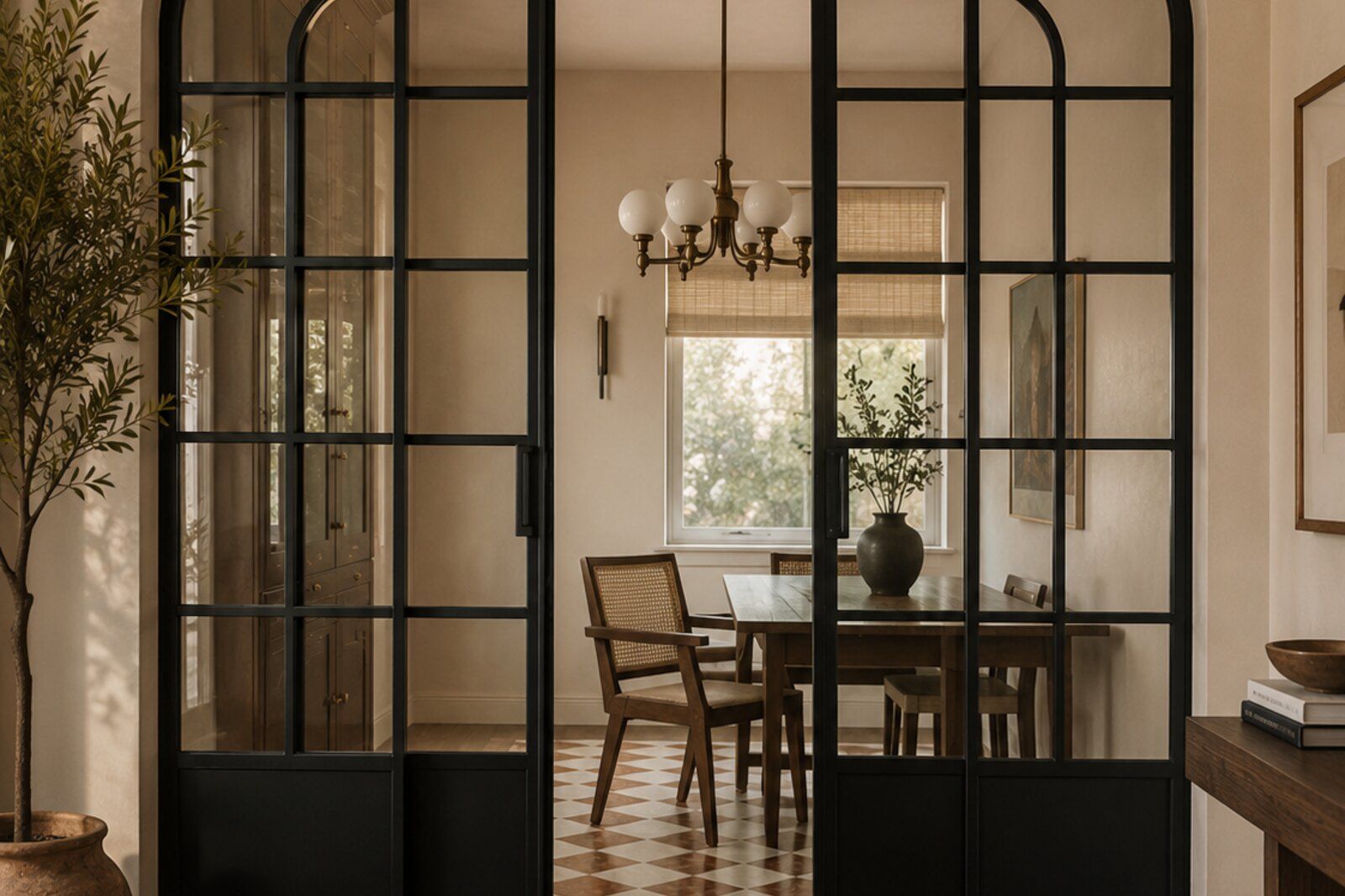
Interior French doors
Hinged glass doors, single or paired, with optional divided-lite grids. The classic look in aluminum that does not need repainting.
Read more →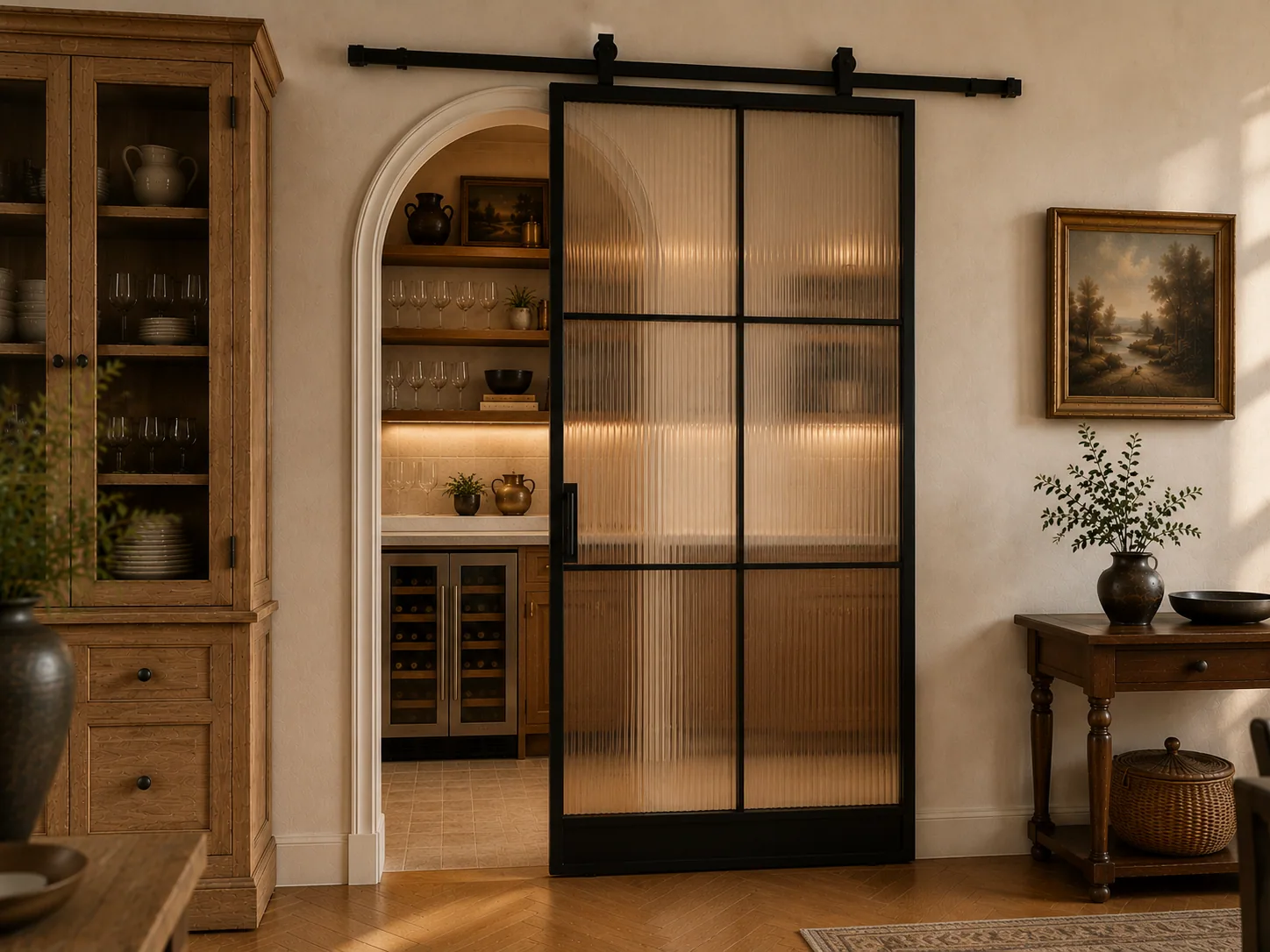
Modern glass doors
The whole range read together: one minimal frame, one finish system, across swing, sliding, pivot, and pocket.
Read more →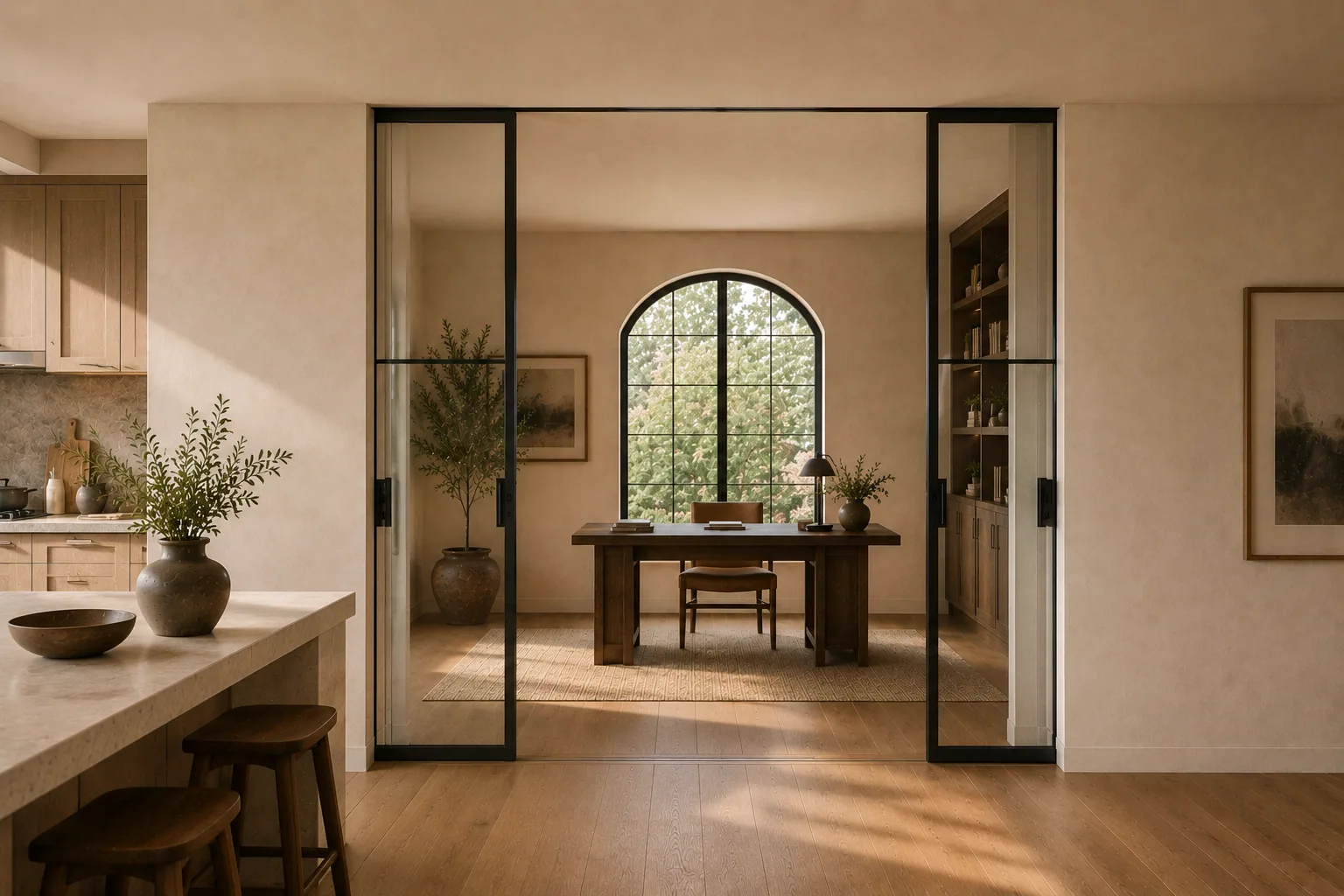
Interior Dutch doors
A door split horizontally so the top half opens by itself. Kitchen-to-pantry, nursery, mudroom pass-through.
Read more →Bedroom doors
The room you spend most hours in. Pivot, pocket, swing, sliding, or frosted glass. Sized to the opening.
Read more →Bathroom doors
Privacy lock, frosted or reeded glass, sliding or pocket for tight ensuites. Code-aware install.
Read more →Pantry doors
What you see from the kitchen sink. Framed glass swing, pocket disappearing, or Dutch service pass.
Read more →Kitchen doors
Closed-plan interior or kitchen-to-garden rear. Swing, sliding, Dutch, or French.
Read more →Why aluminum for interior doors.
Steel interior doors look the part but carry a maintenance cost: the finish has to hold or the frame shows it. Aluminum gives you the same narrow sightline and glass-forward panel with none of the upkeep, and because it is sourced direct, the price lands well under a showroom brand for the same configuration. If you are comparing against Pinky's, the interior range is where the difference is widest.
Colors.
Black interior doors are the most popular finish we build, and white is the next most asked for. The color is a baked-on finish on the aluminum, so it does not need repainting, and you are not limited to those two: any RAL color is available, specified the way an architect calls it out on a drawing.
Common questions
For builders, designers, and ADU projects.
Interior aluminum doors are the simplest line to spec for a custom home or an accessory dwelling unit because they carry no certification requirement. If you are running multiple projects, the Crateworks trade program gives you preferred pricing, install certification, and damage-replacement coordination on the whole opening schedule.
Send your opening sizes, get a price.
Tell us the configuration and dimensions. If you have a builder or architect on the project, we will loop them in.
Available to quote
53 products for this space. Choose sizes and finishes inside each one, then request a quote. It comes back as one delivered price, freight and customs included.
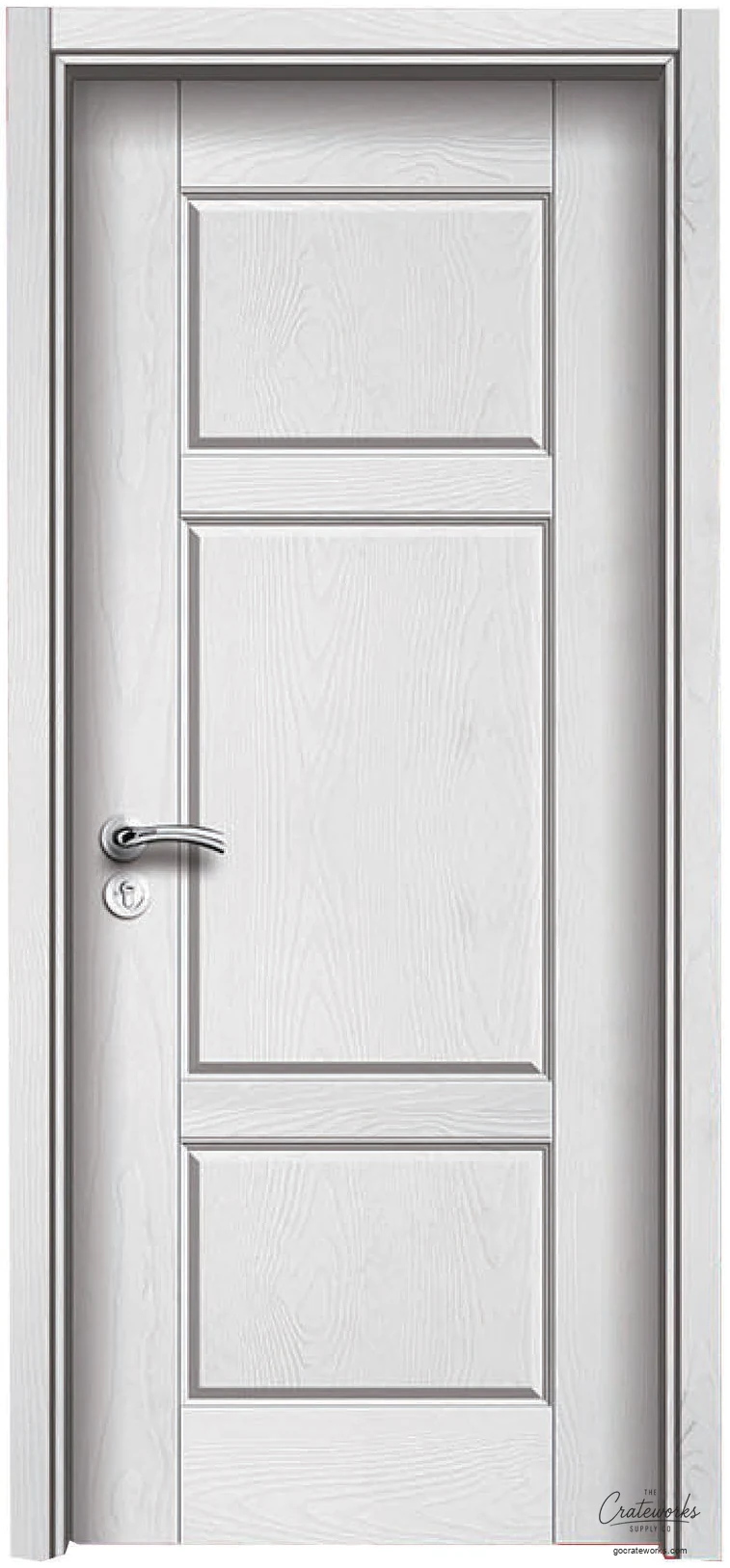
3-Panel Modern Interior Door
Quoted to spec
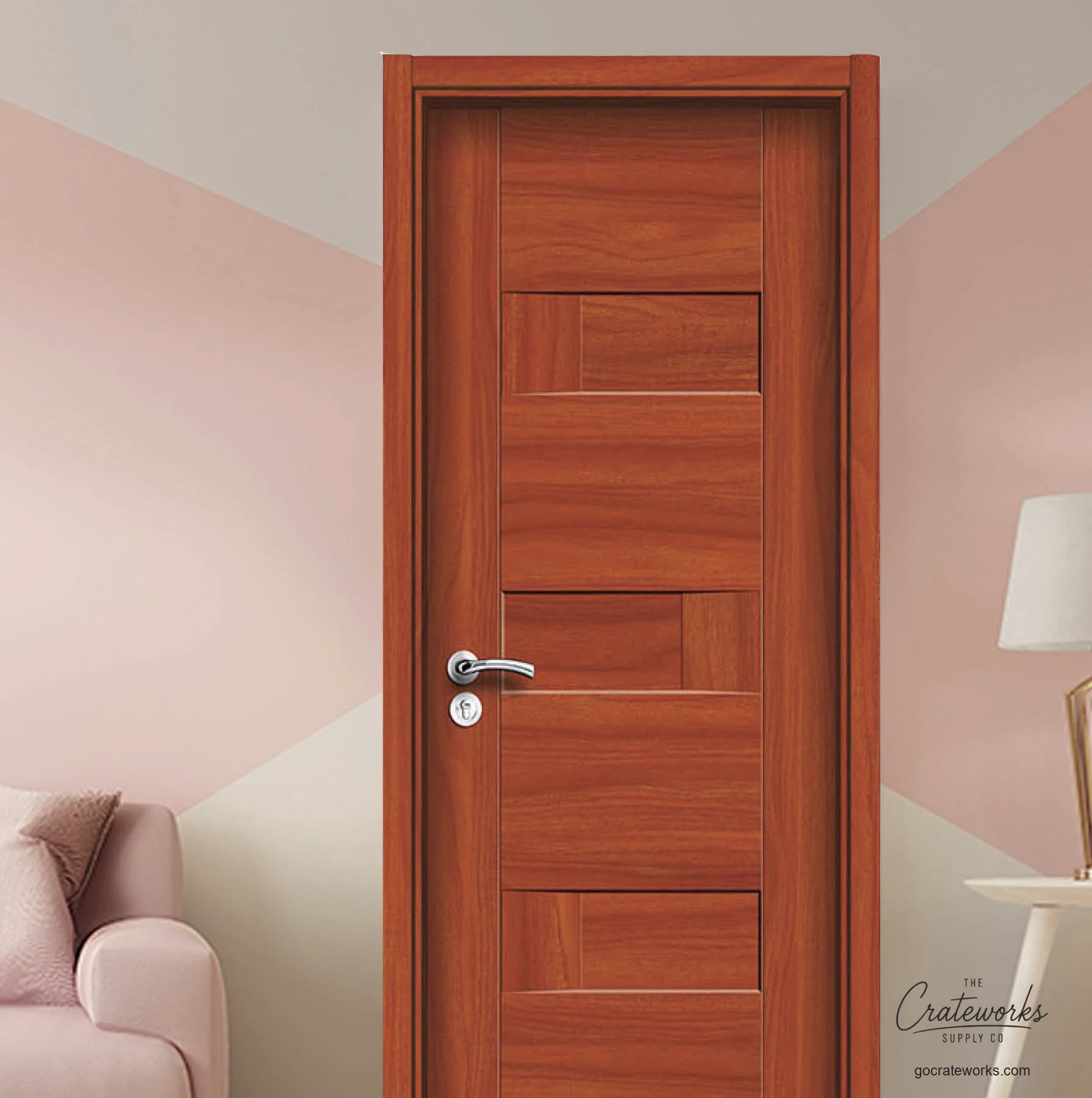
3-Panel Offset Interior Door
Quoted to spec
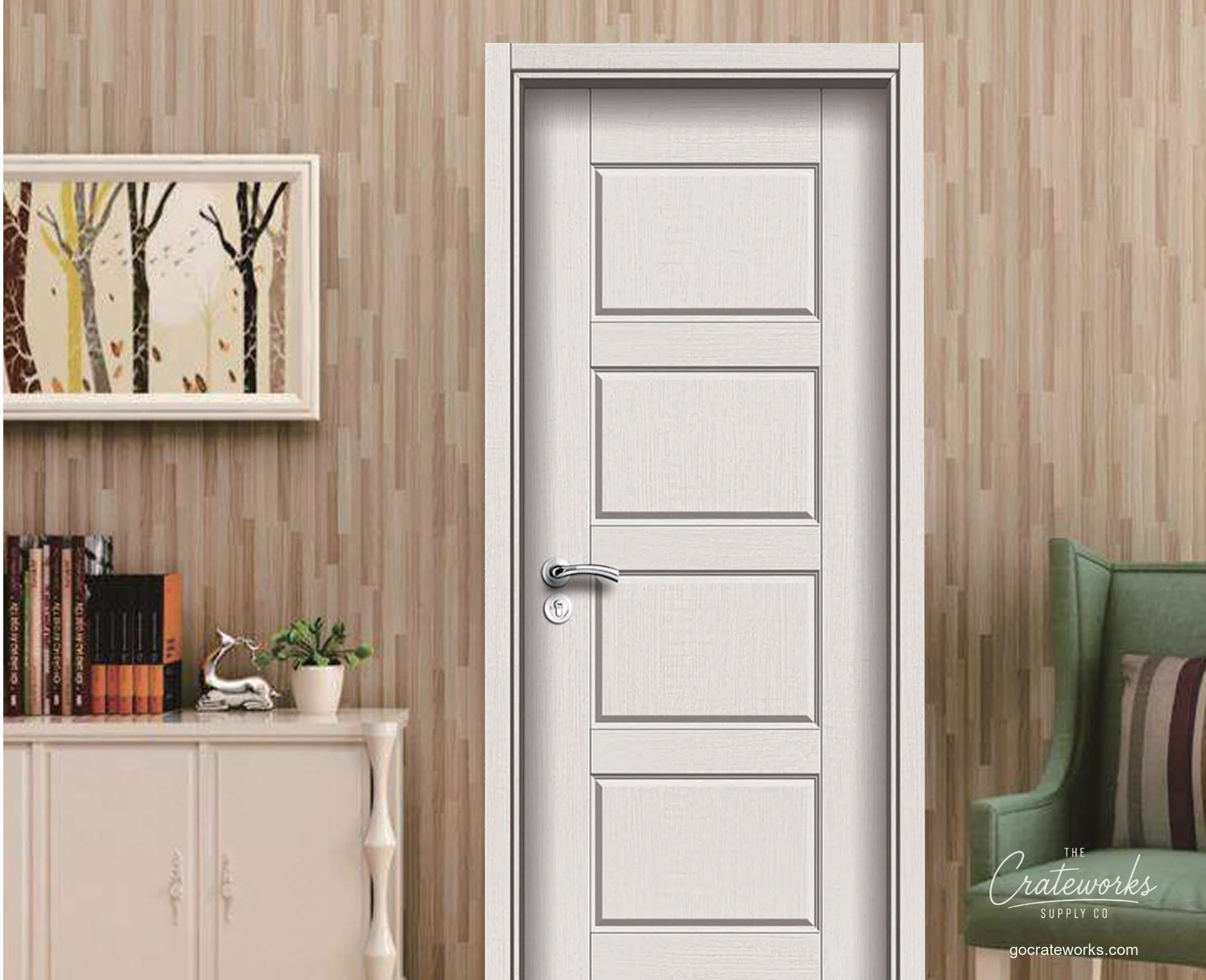
4-Panel Modern Interior Door
Quoted to spec
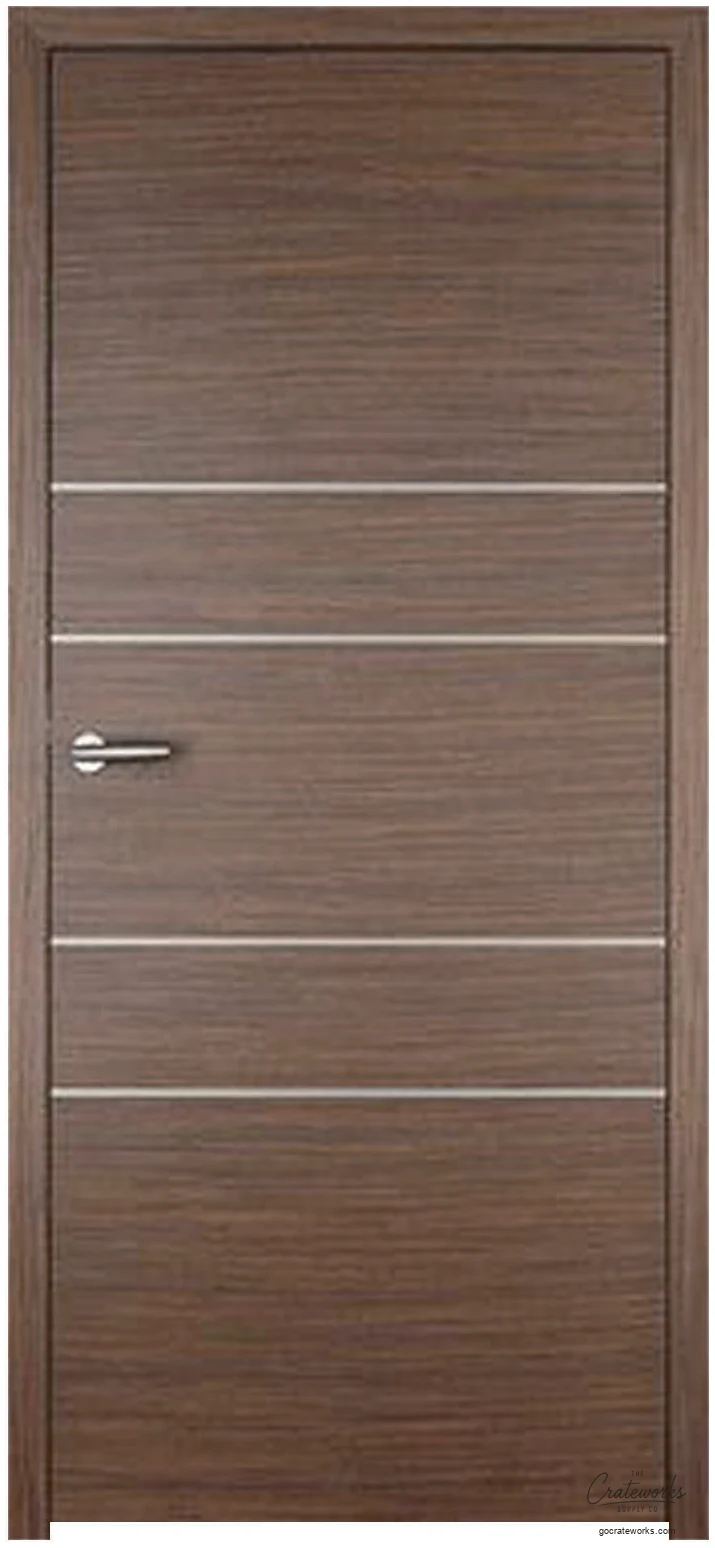
4-Rail Horizontal-Reveal Interior Door
Quoted to spec
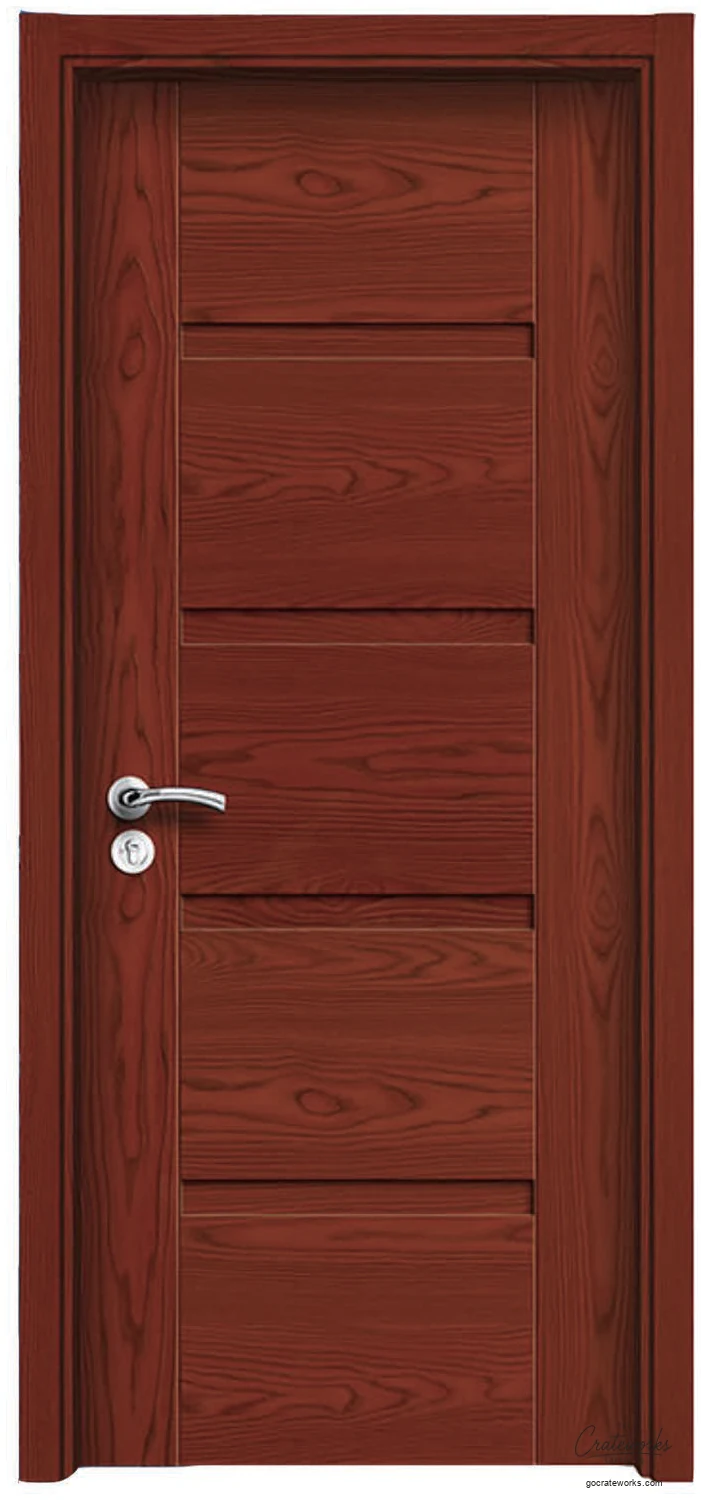
4-Rail Interior Door
Quoted to spec
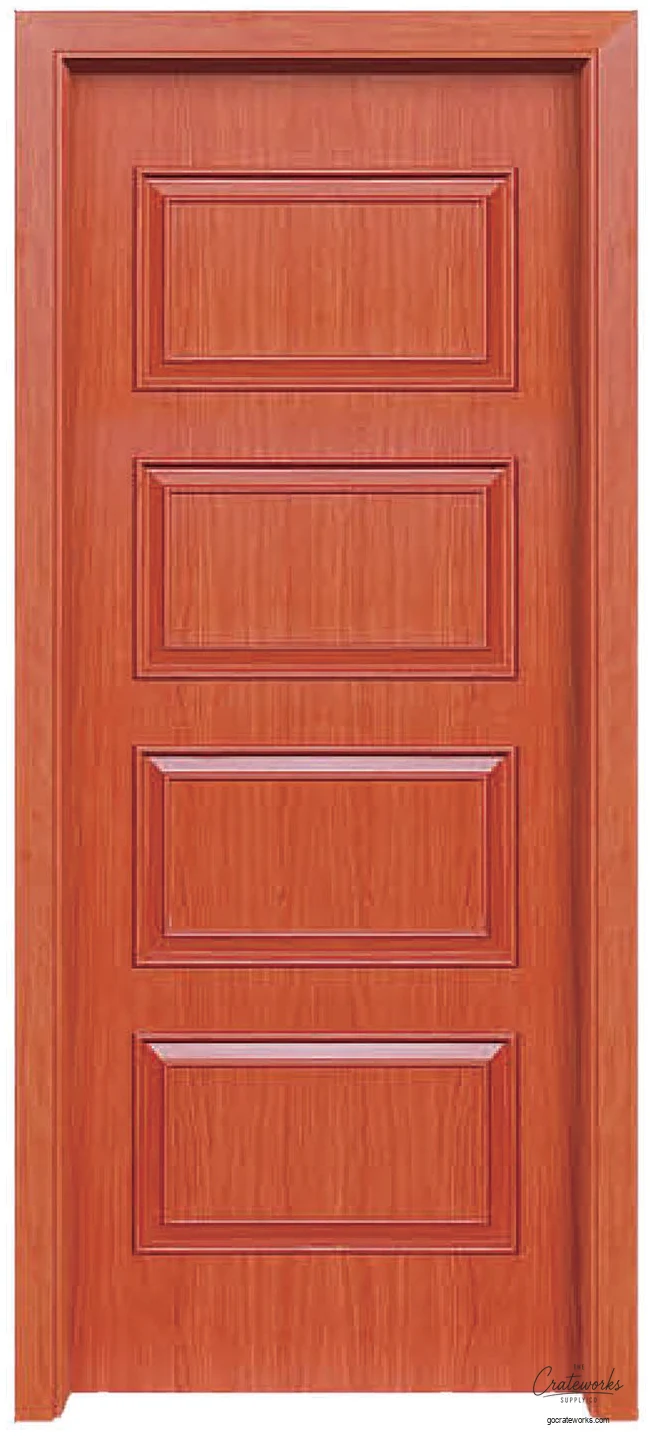
4-Rail Ladder Interior Door
Quoted to spec
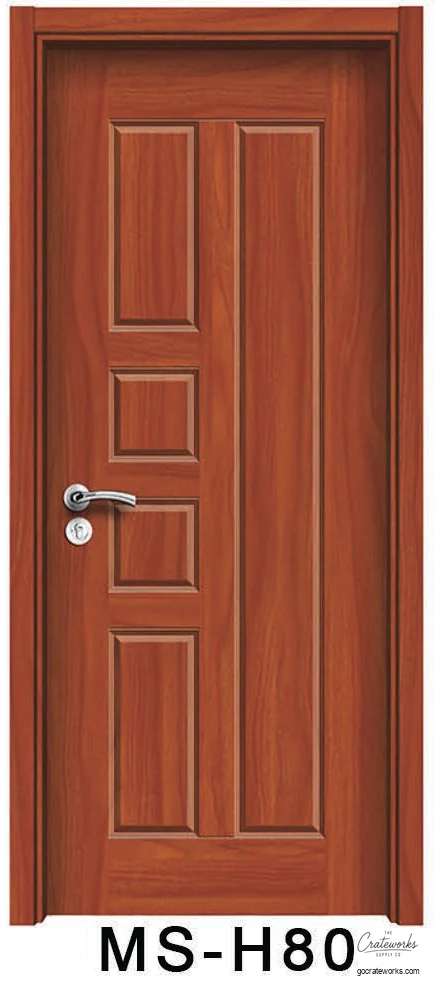
5-Panel Vertical Interior Door
Quoted to spec
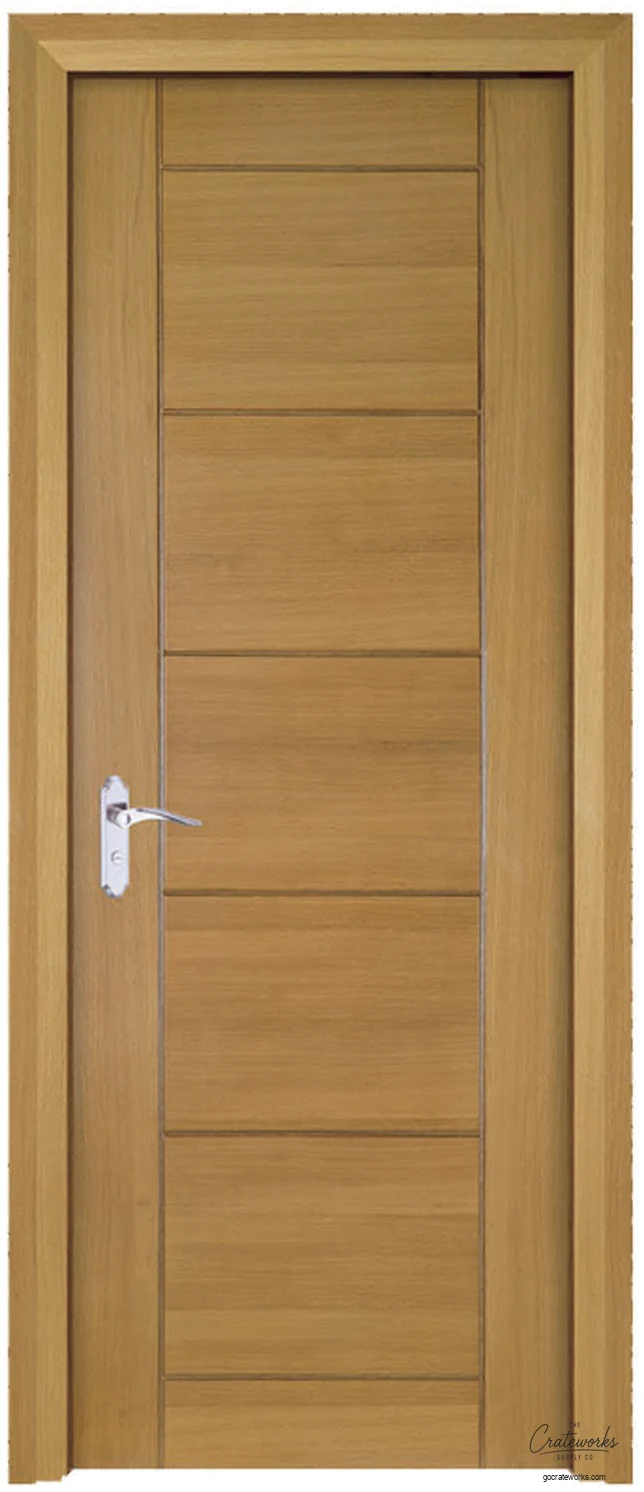
5-Rail Plank Interior Door
Quoted to spec
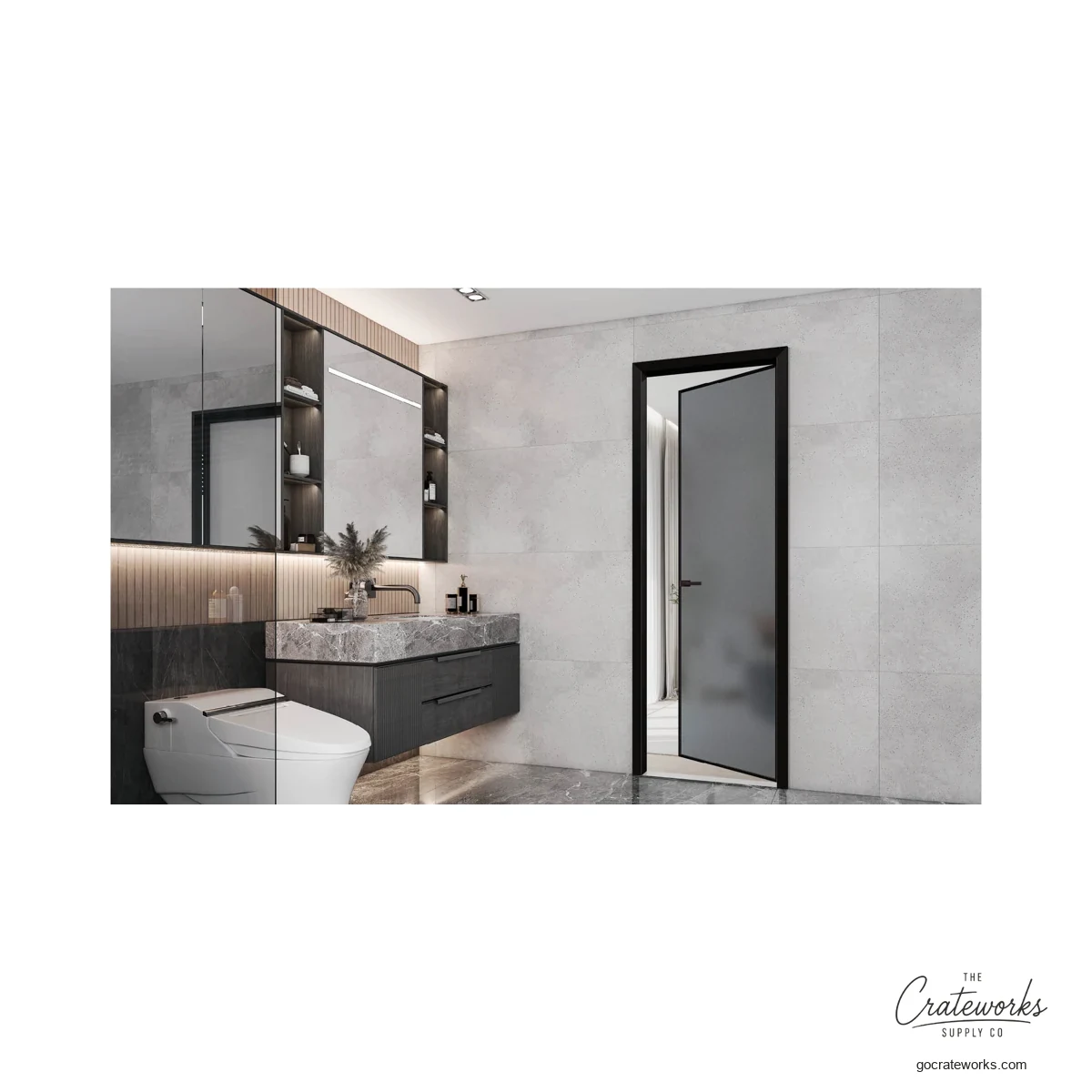
Aluminum-Frame Frosted Glass Interior Swing Door
Quoted to spec
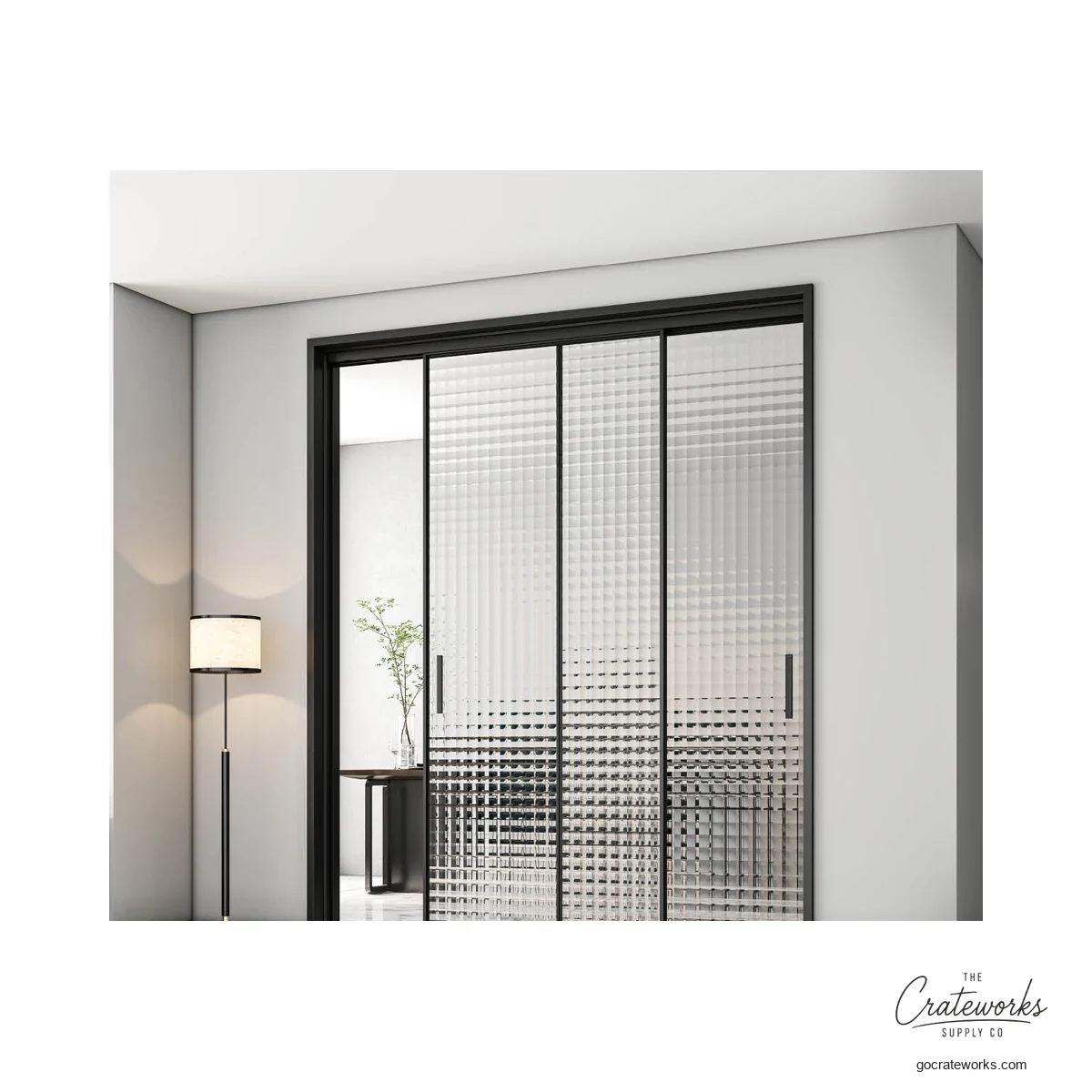
Aluminum-Frame Sliding Wardrobe Door
Quoted to spec
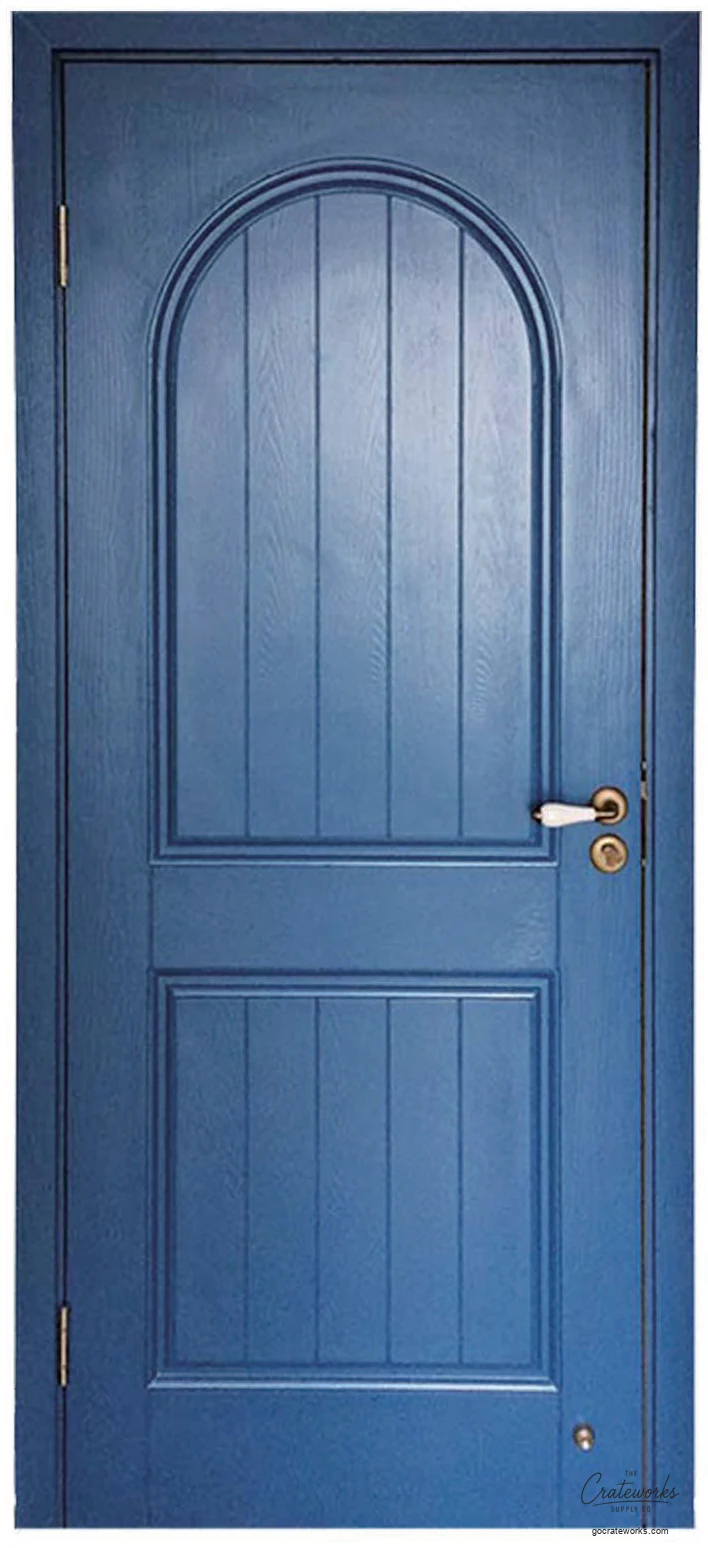
Arch-Top 2-Panel Interior Door
Quoted to spec
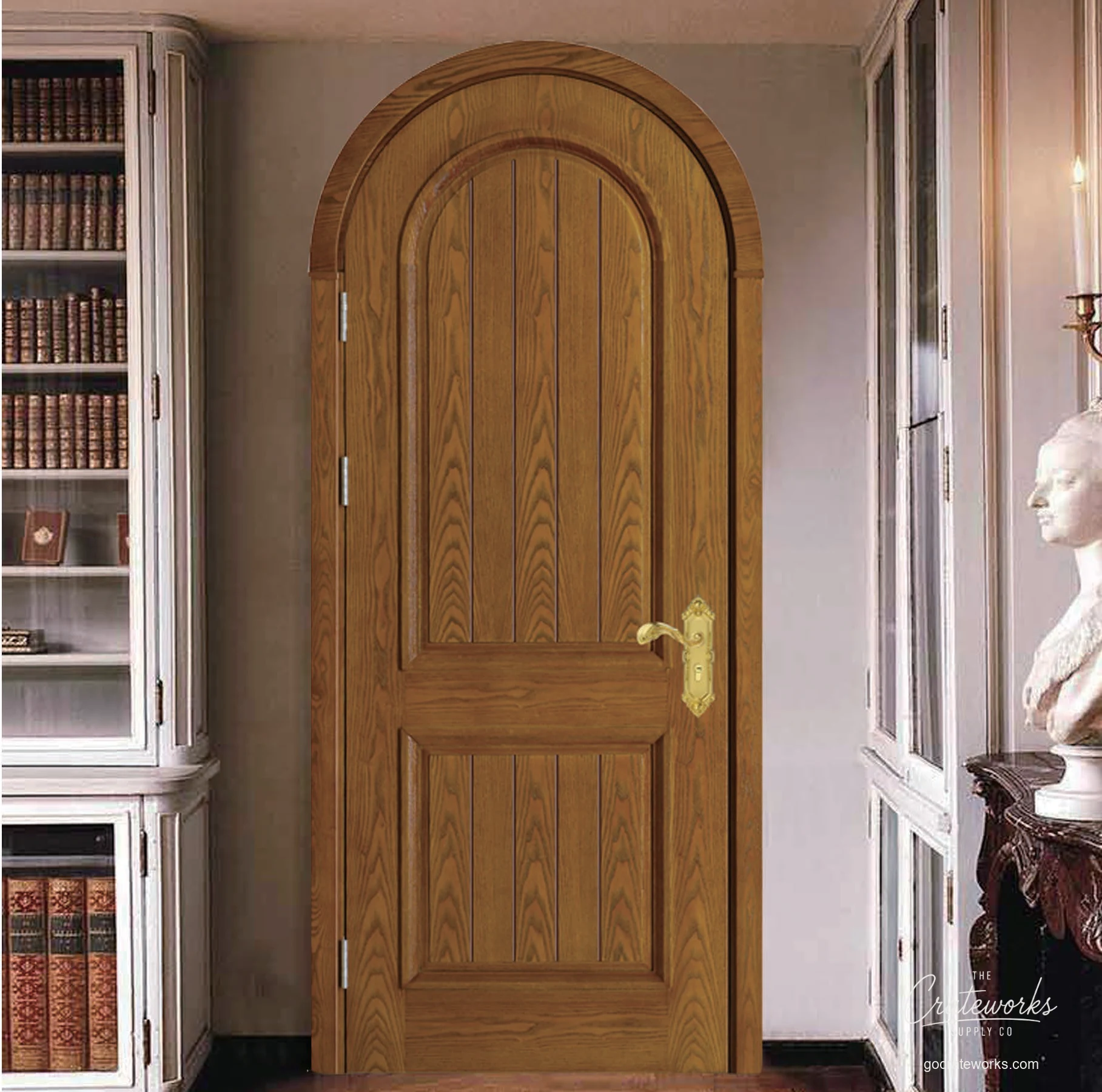
Arch-Top Plank Interior Door
Quoted to spec
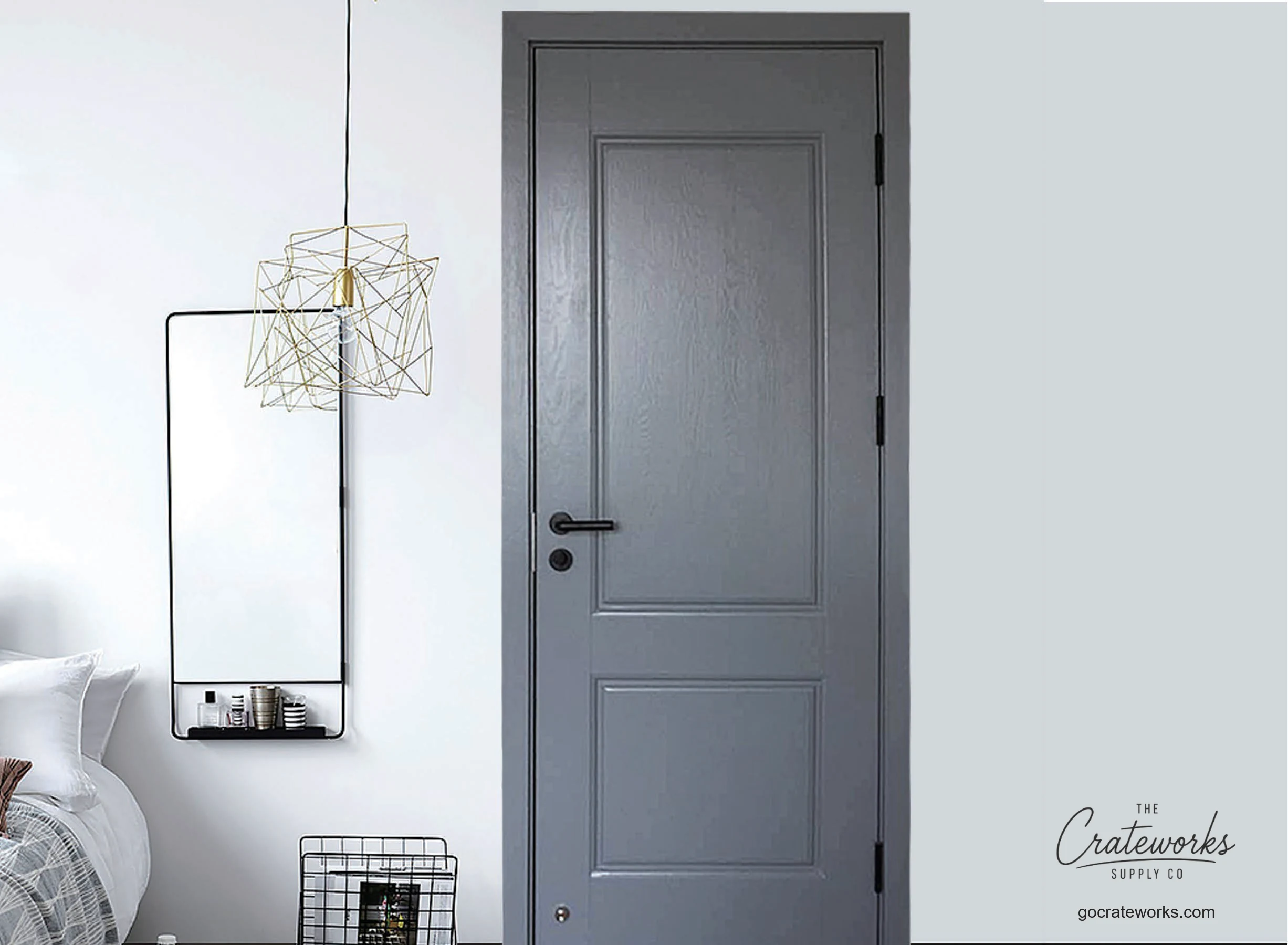
Classic 2-Panel Interior Door
Quoted to spec
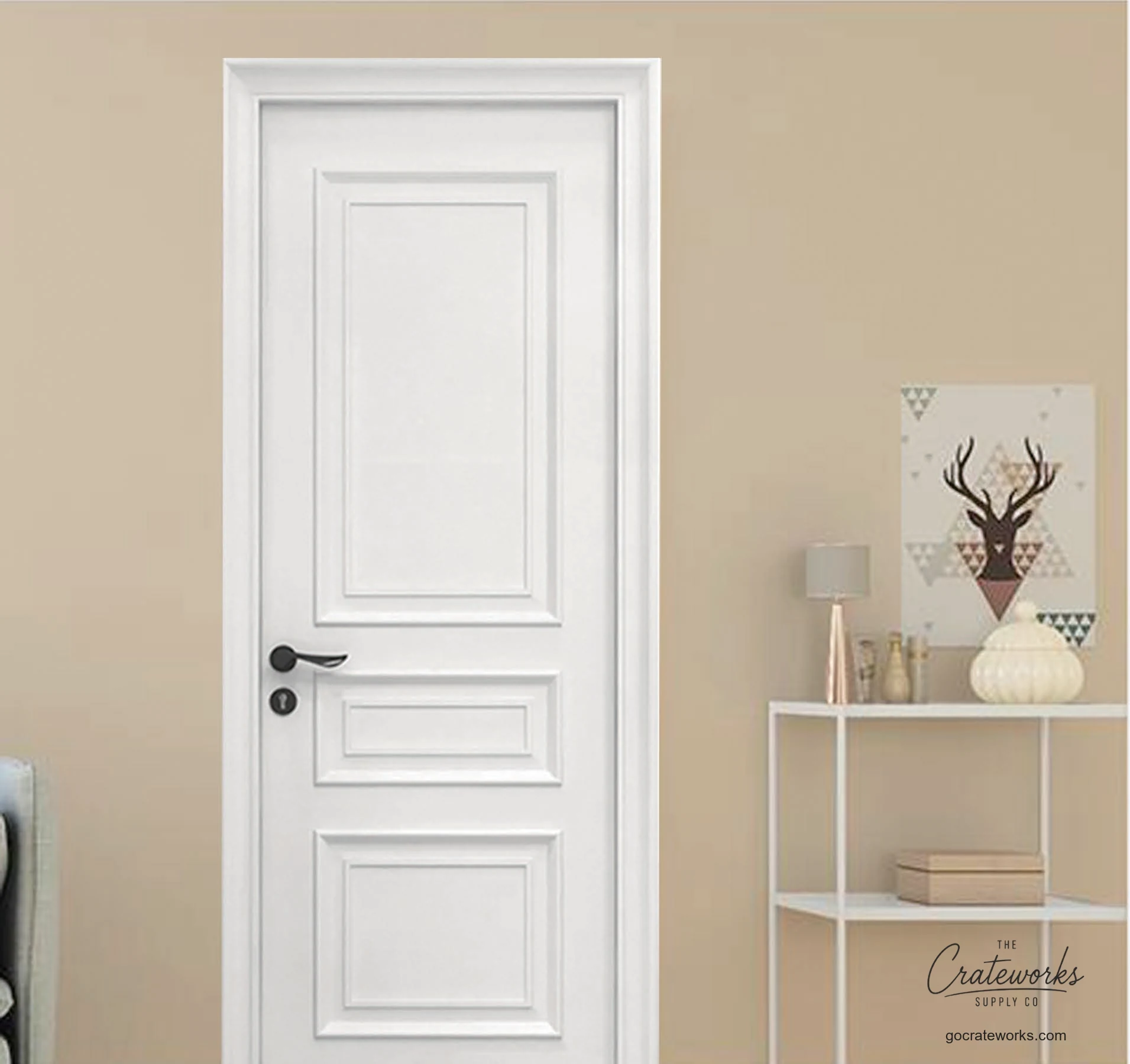
Classic 3-Panel Interior Door
Quoted to spec
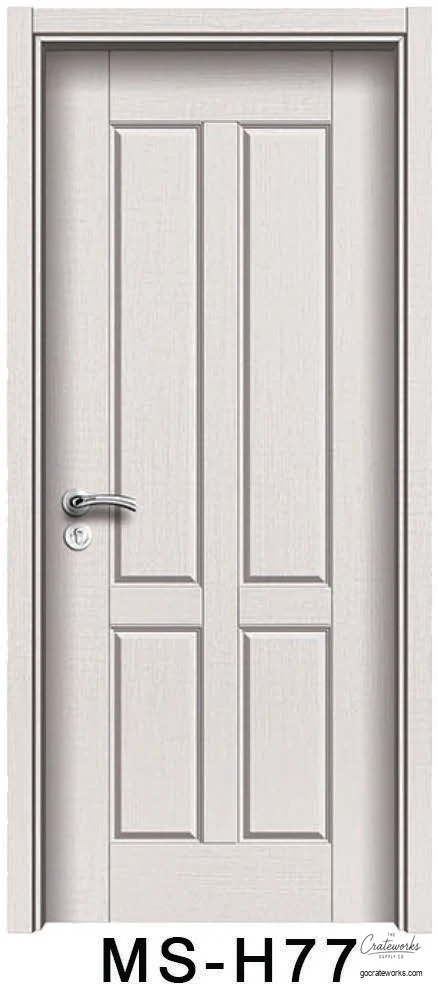
Classic 4-Panel Interior Door
Quoted to spec
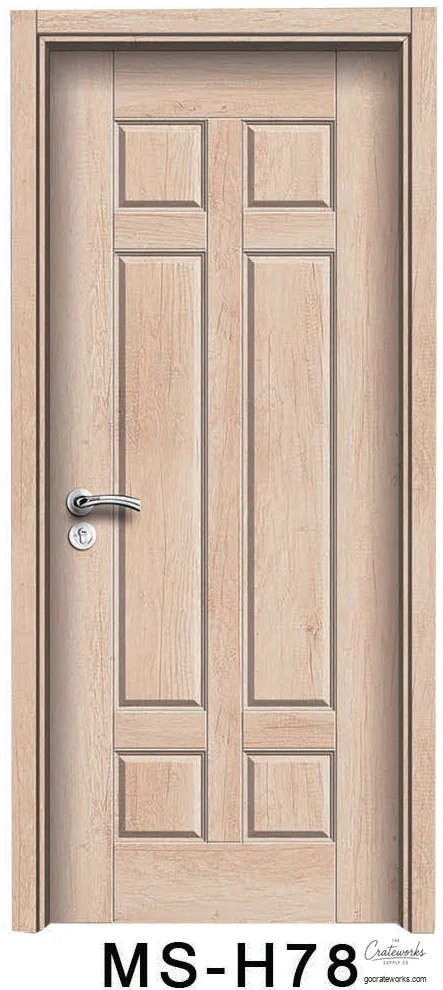
Classic 6-Panel Interior Door
Quoted to spec
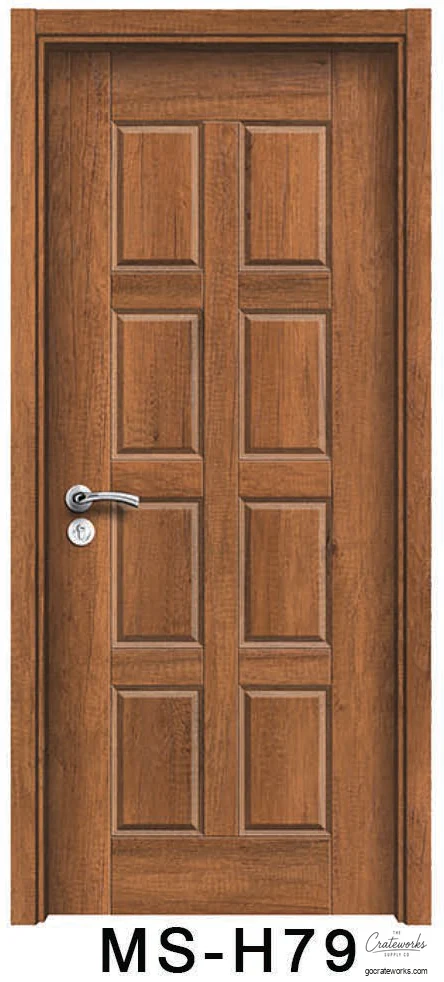
Classic 8-Panel Interior Door
Quoted to spec
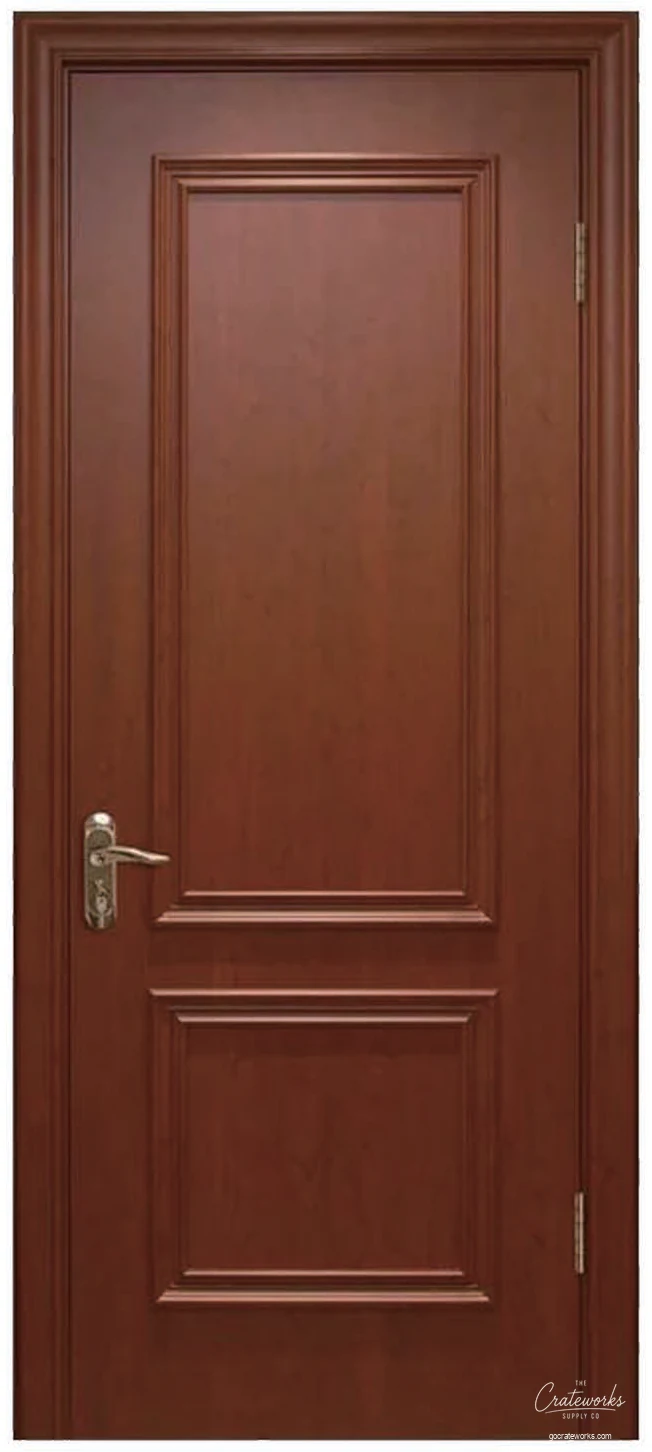
Classic Raised 2-Panel Interior Door
Quoted to spec
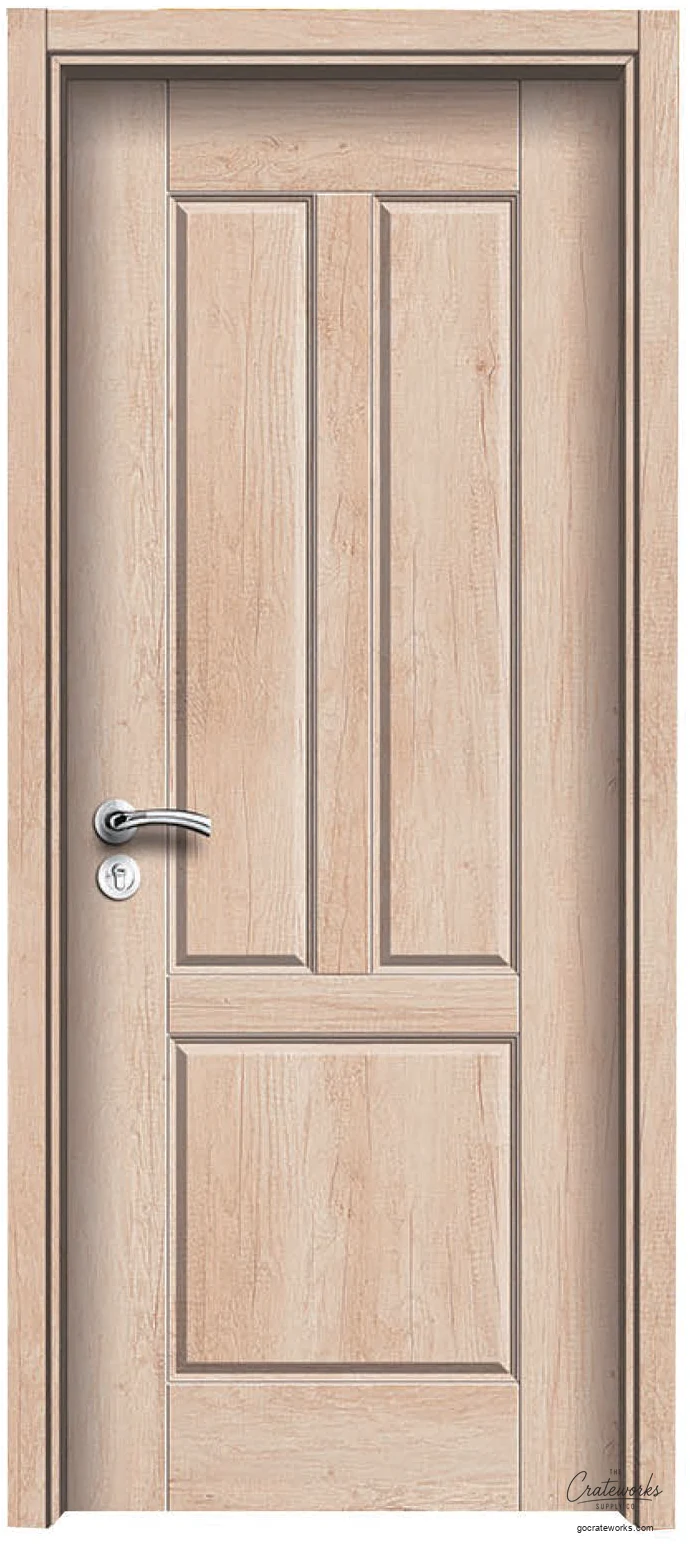
Classic Raised 3-Panel Interior Door
Quoted to spec
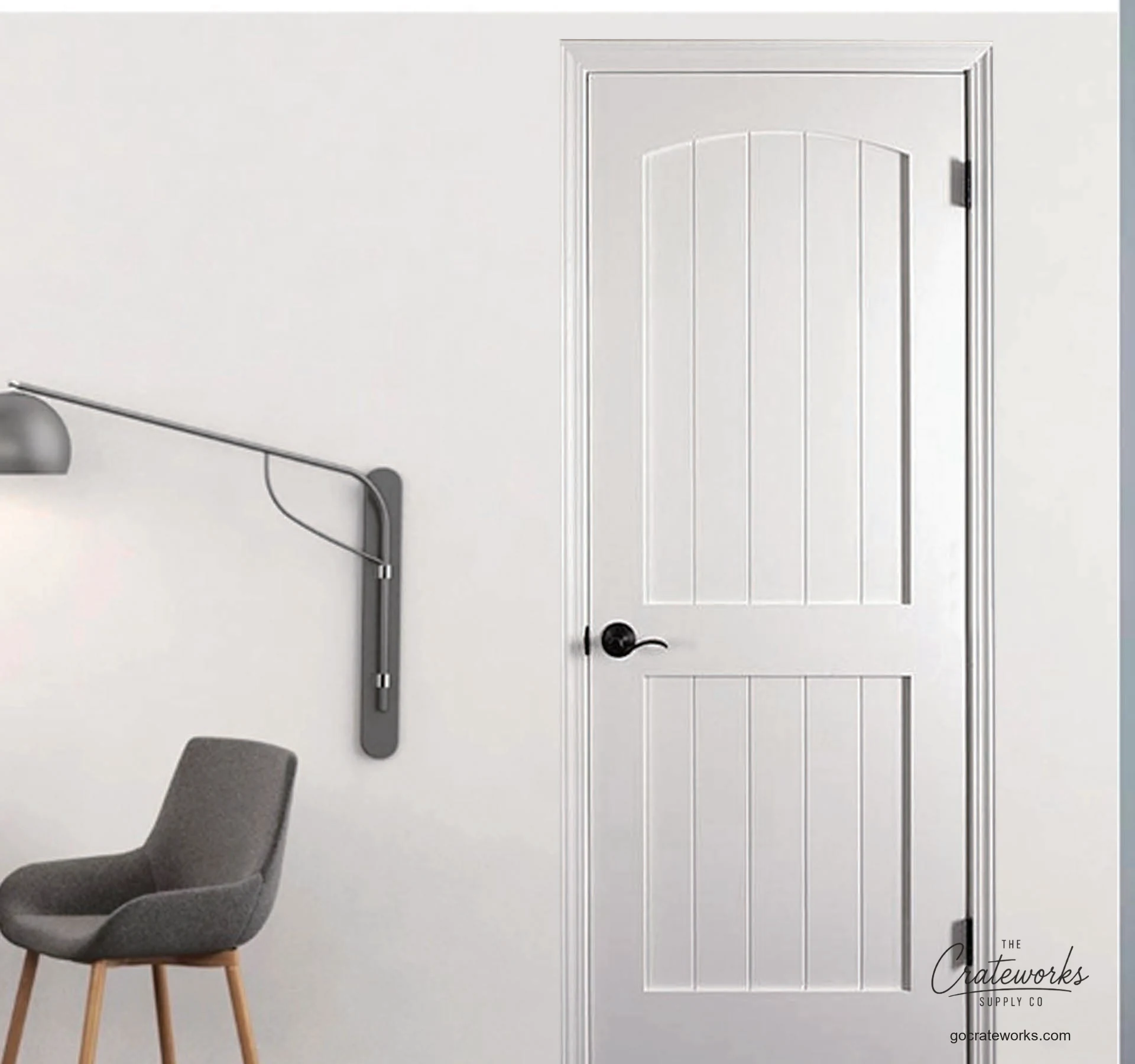
Cottage Arch-Top 2-Panel Interior Door
Quoted to spec
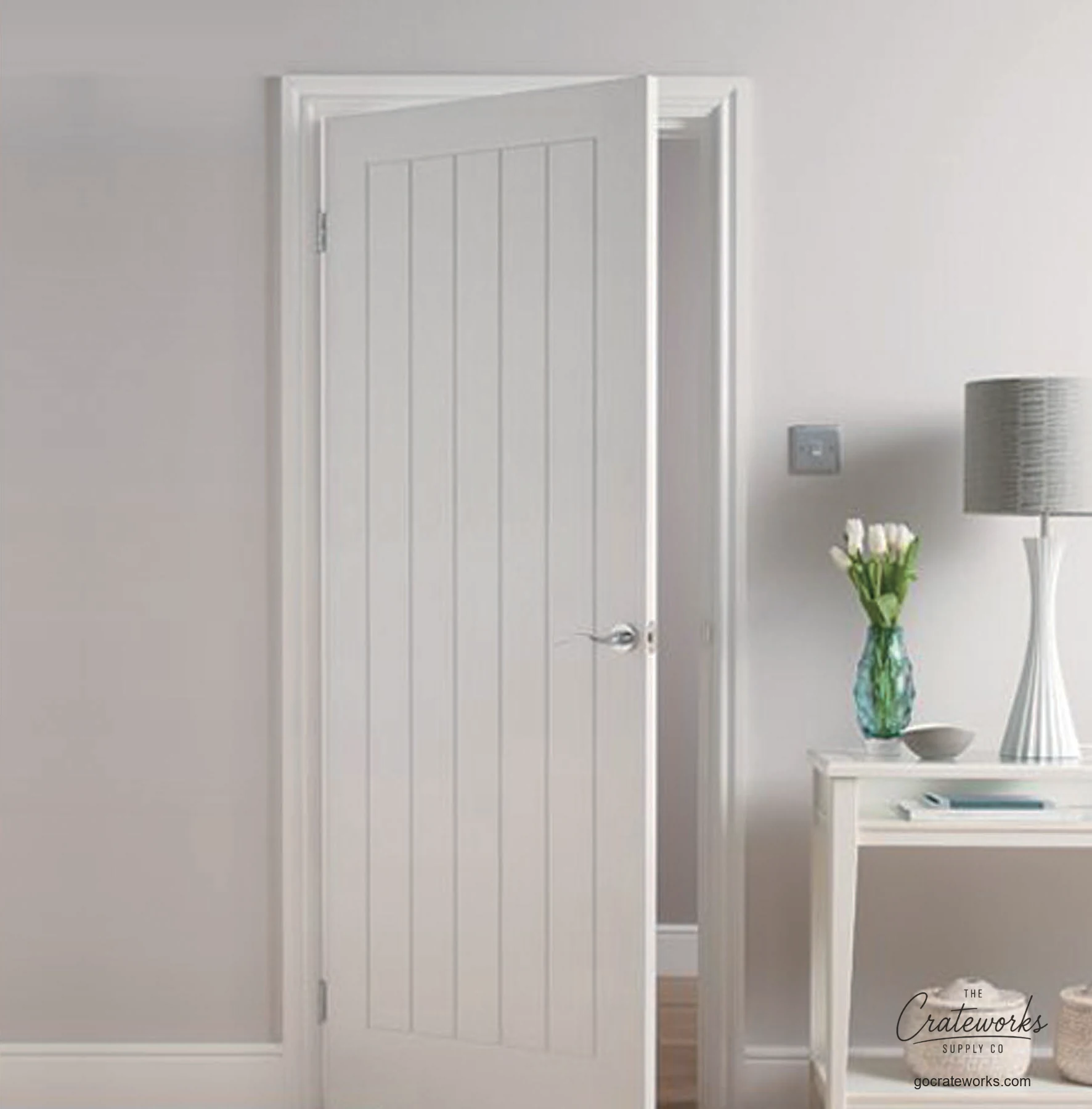
Cottage Plank Interior Door
Quoted to spec
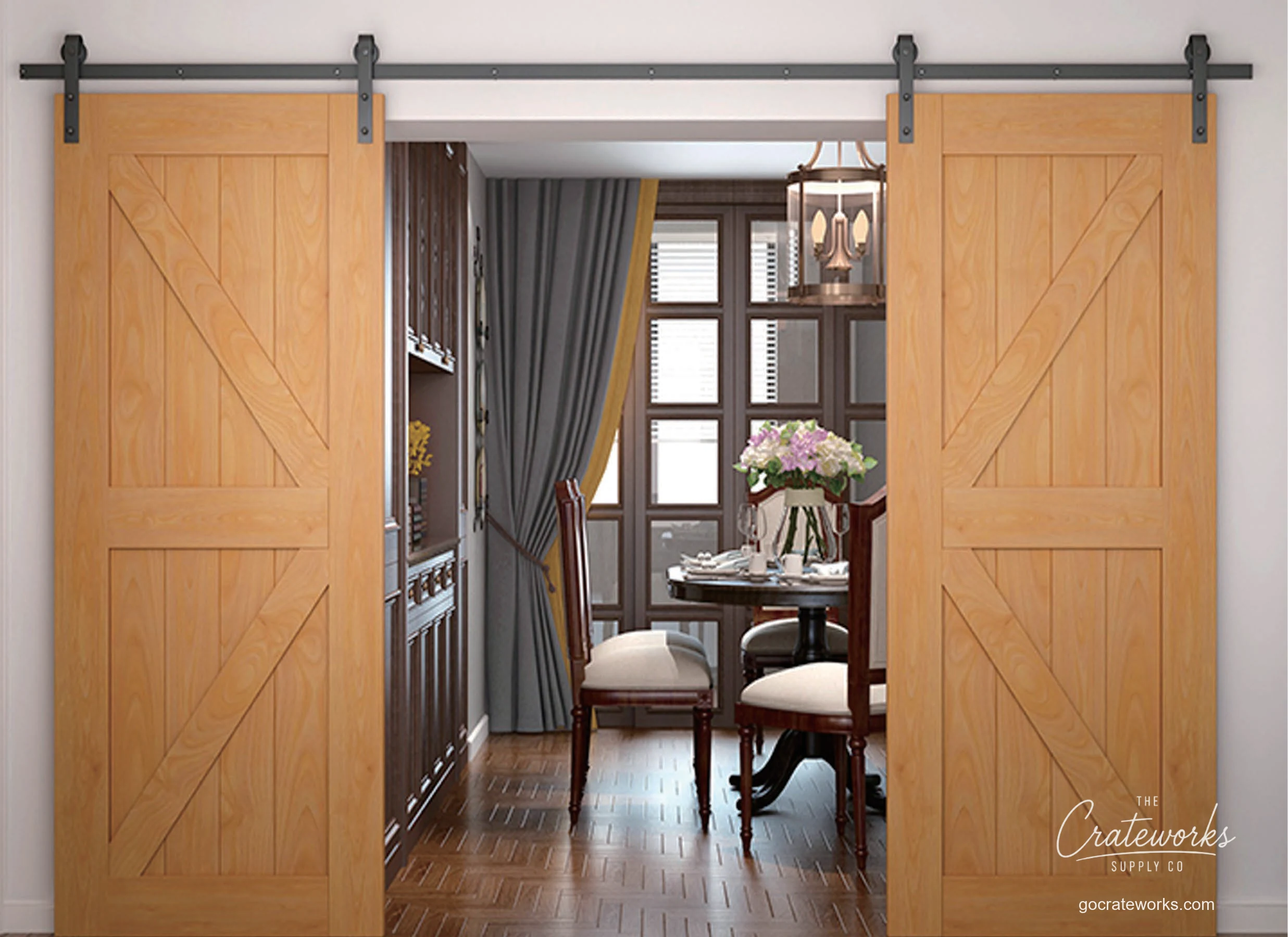
Double Sliding Barn Door, K-Brace
Quoted to spec
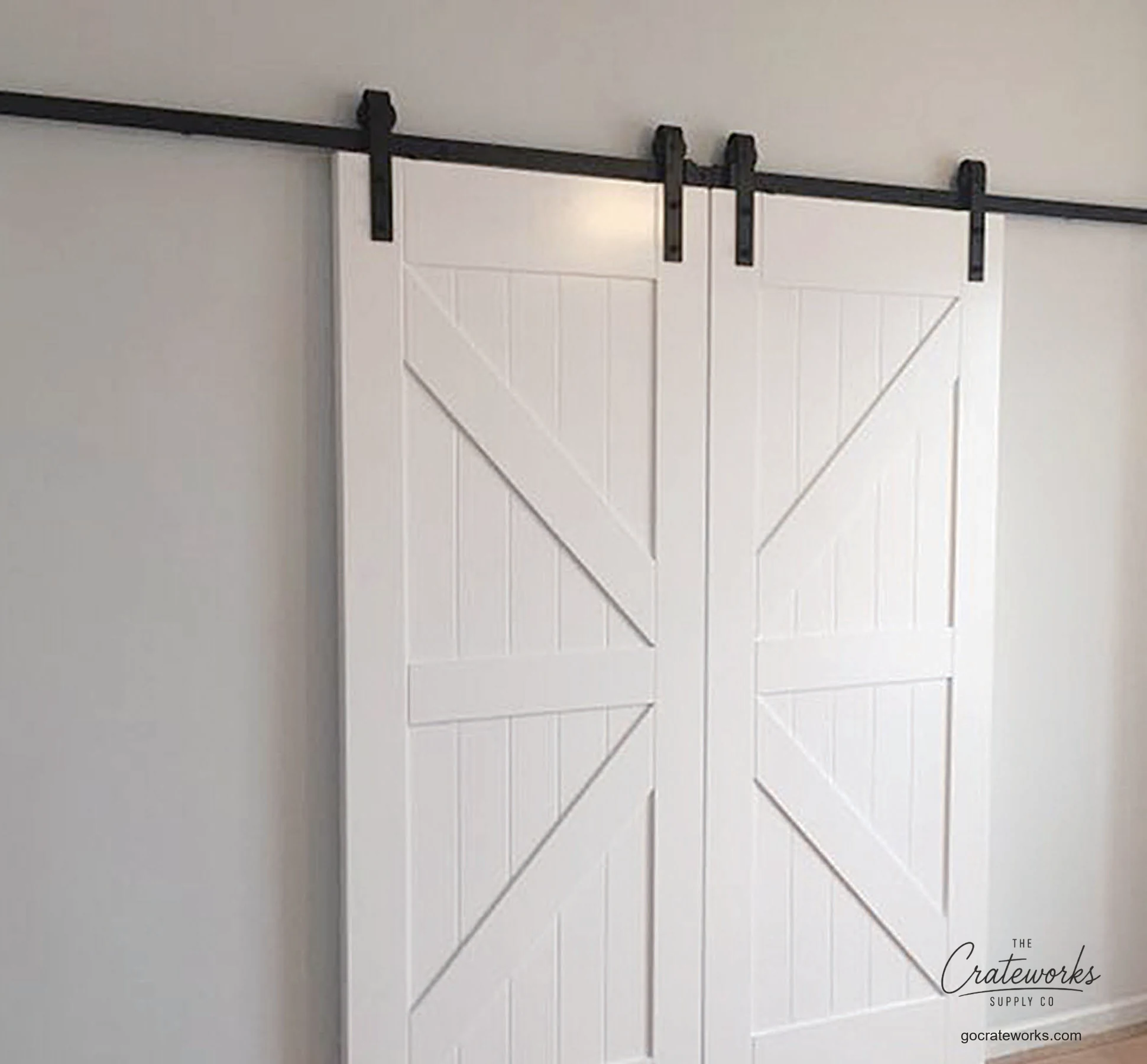
Double Sliding Barn Door, K-Brace Plank
Quoted to spec
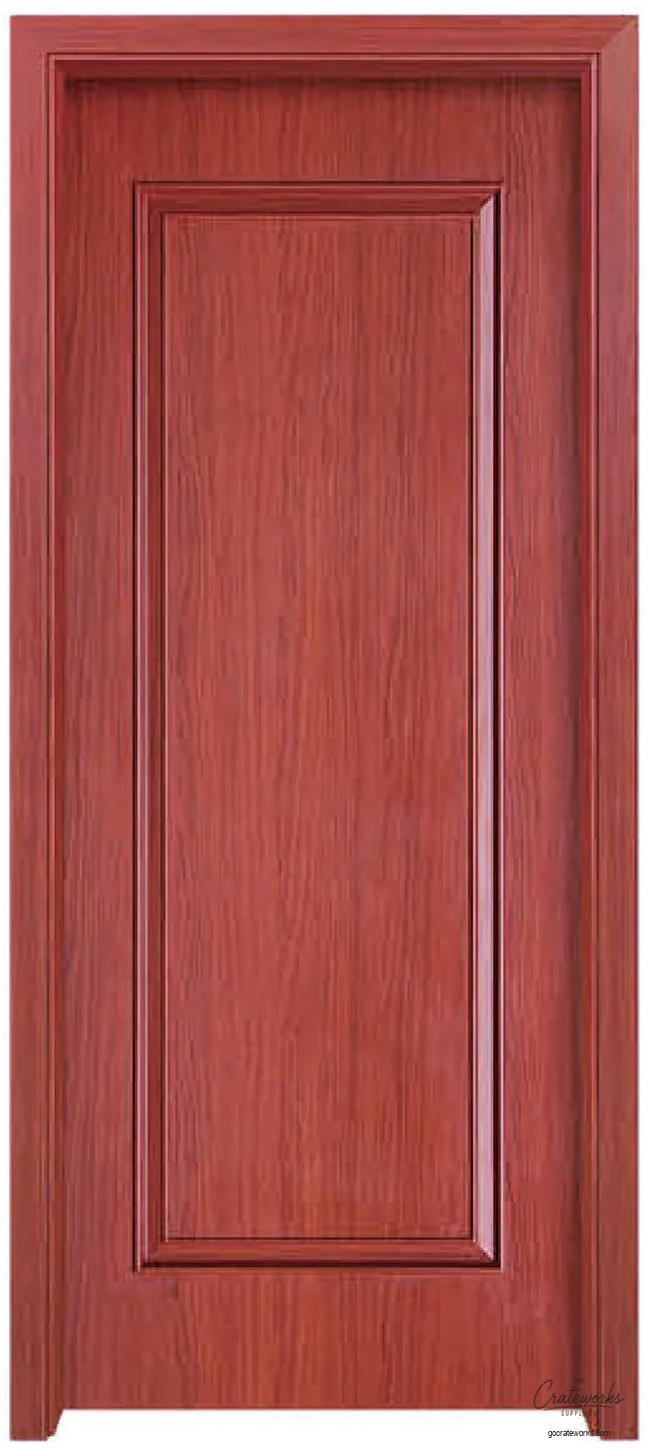
Flat-Panel Interior Door
Quoted to spec
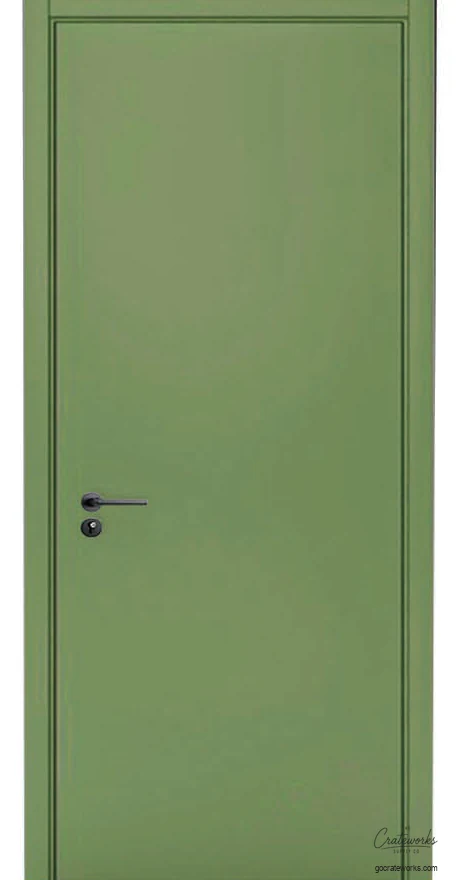
Flush Interior Door
Quoted to spec
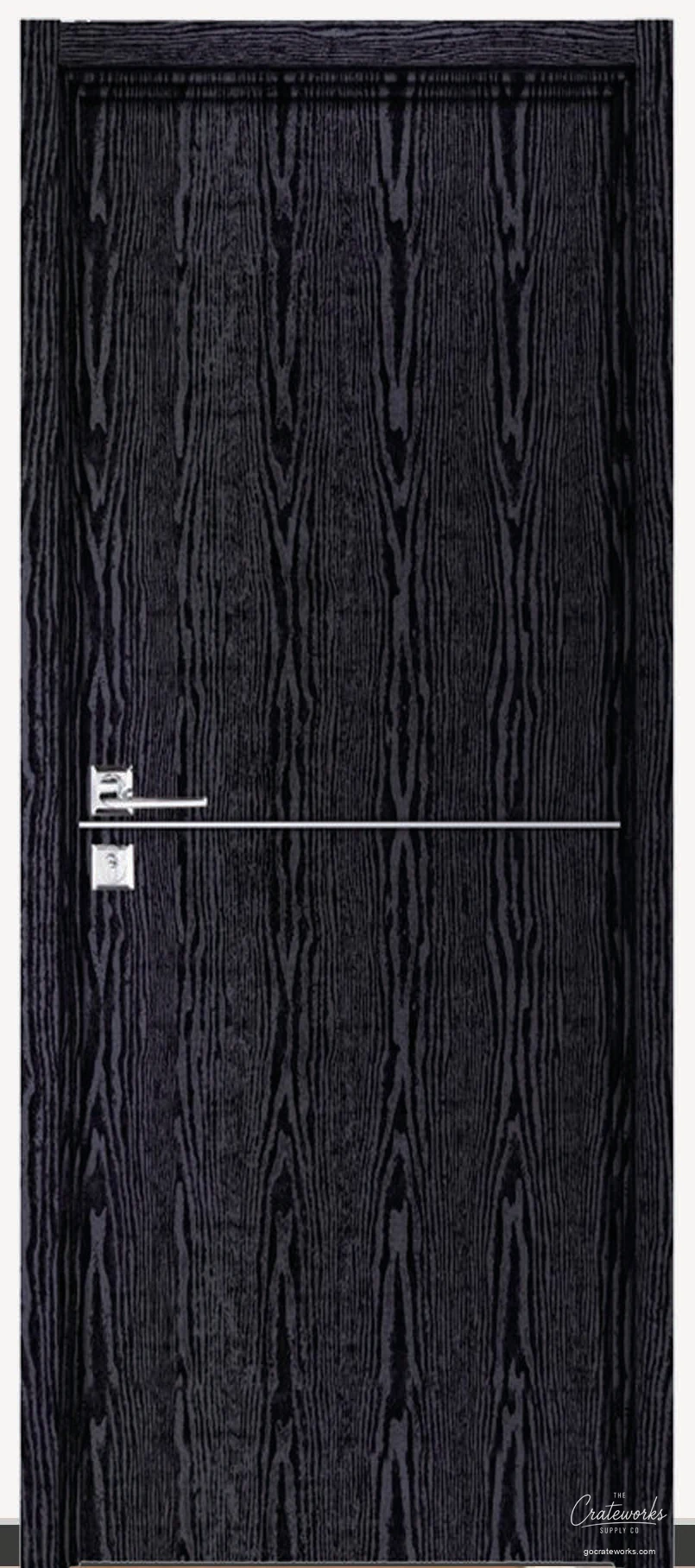
Flush Interior Door with Horizontal Reveal
Quoted to spec
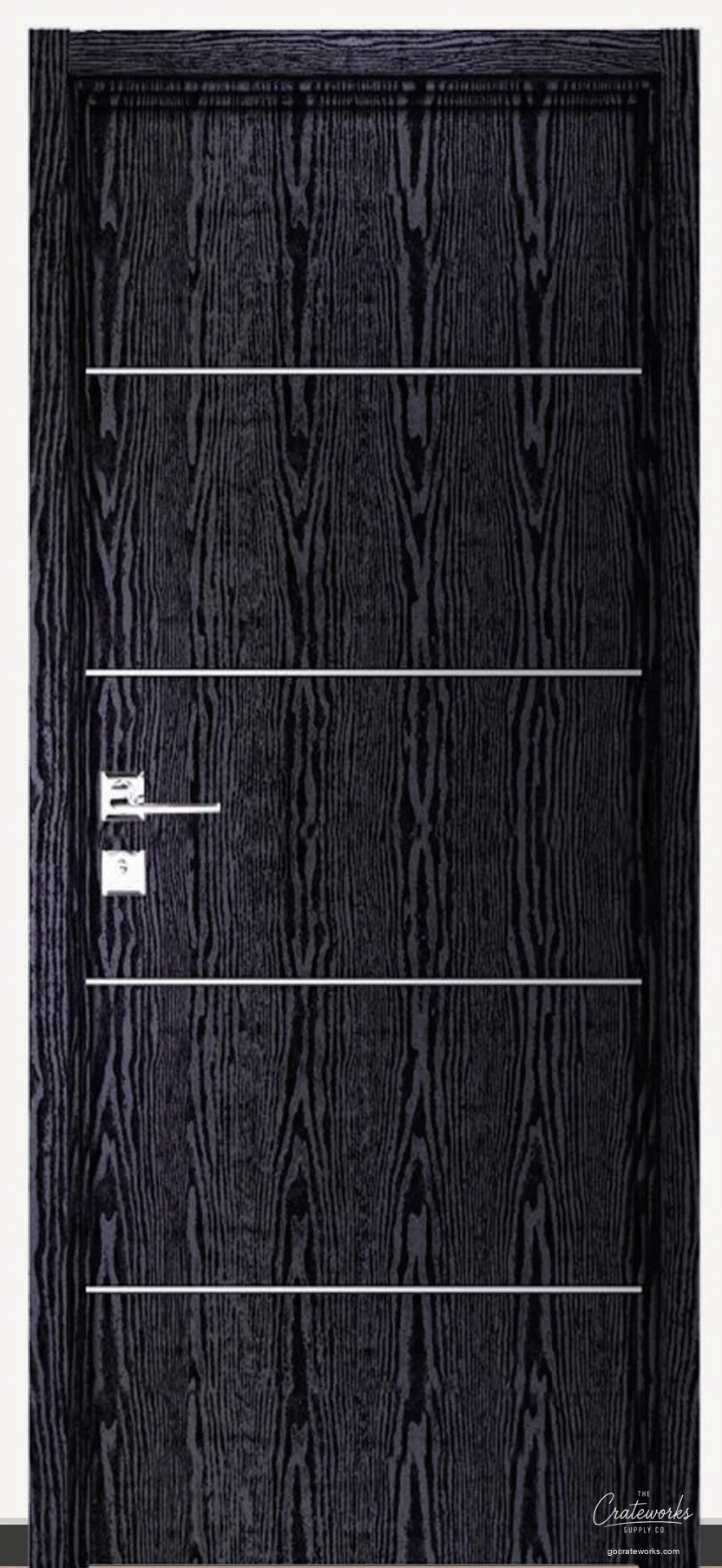
Flush Interior Door with Horizontal Reveals
Quoted to spec
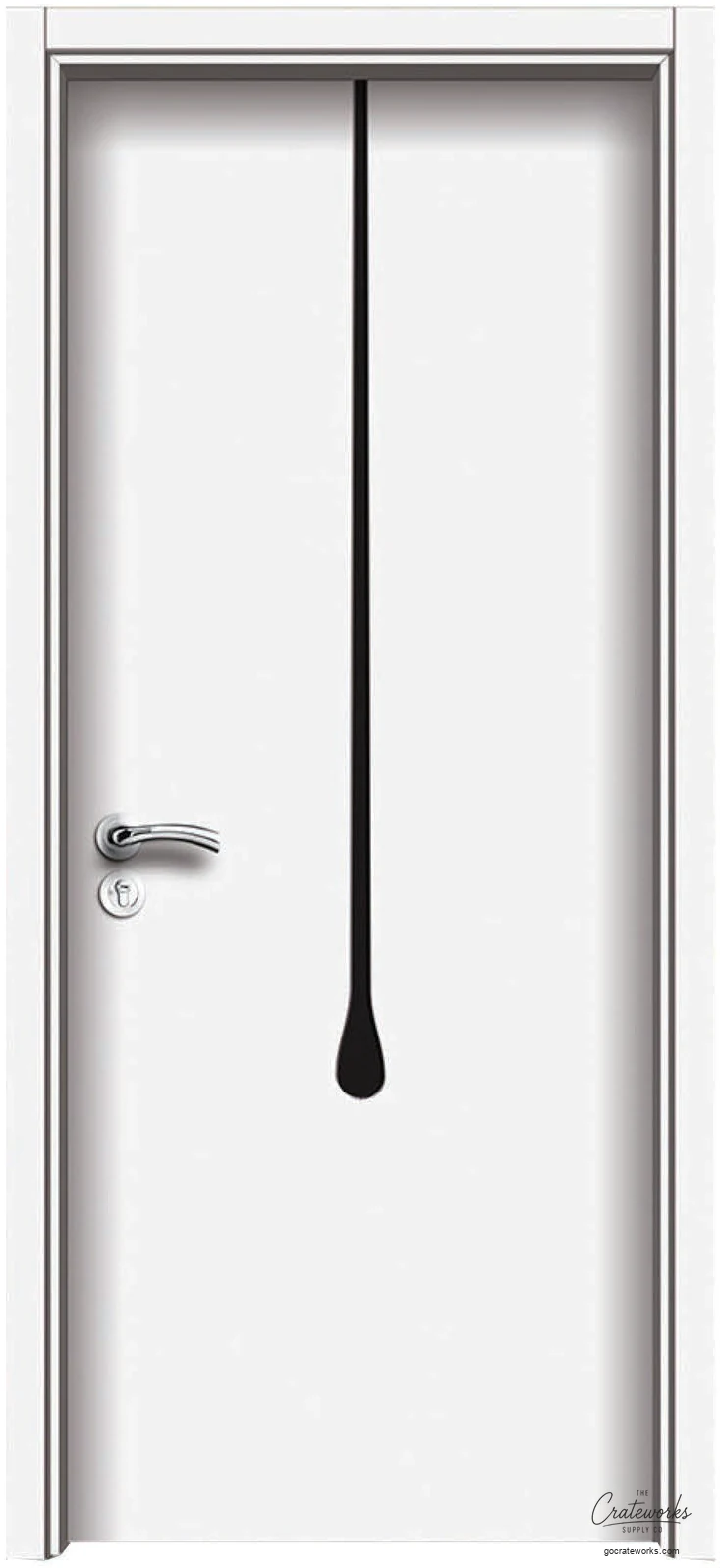
Flush Interior Door with Teardrop Inlay
Quoted to spec
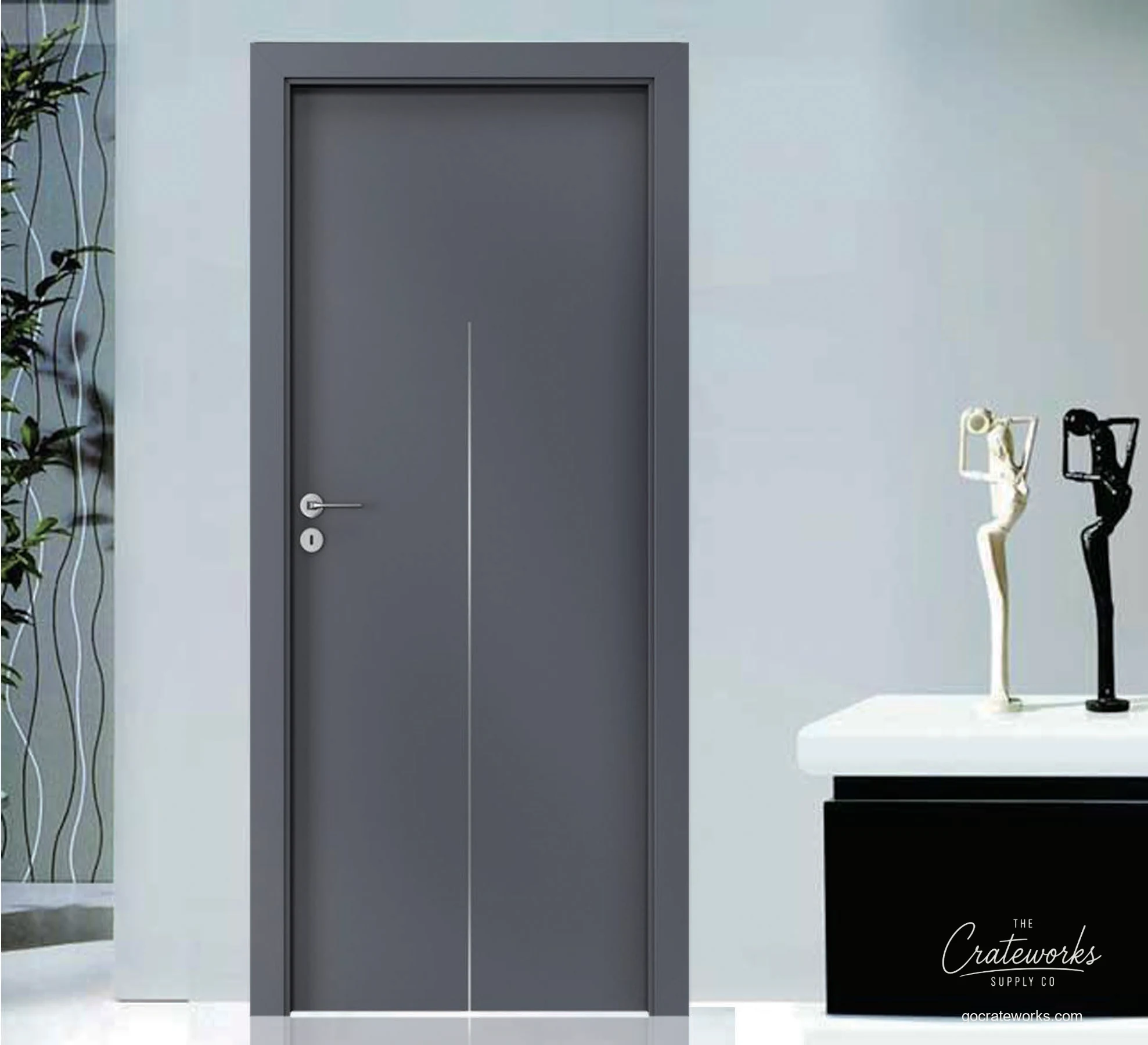
Flush Interior Door with Vertical Reveal
Quoted to spec
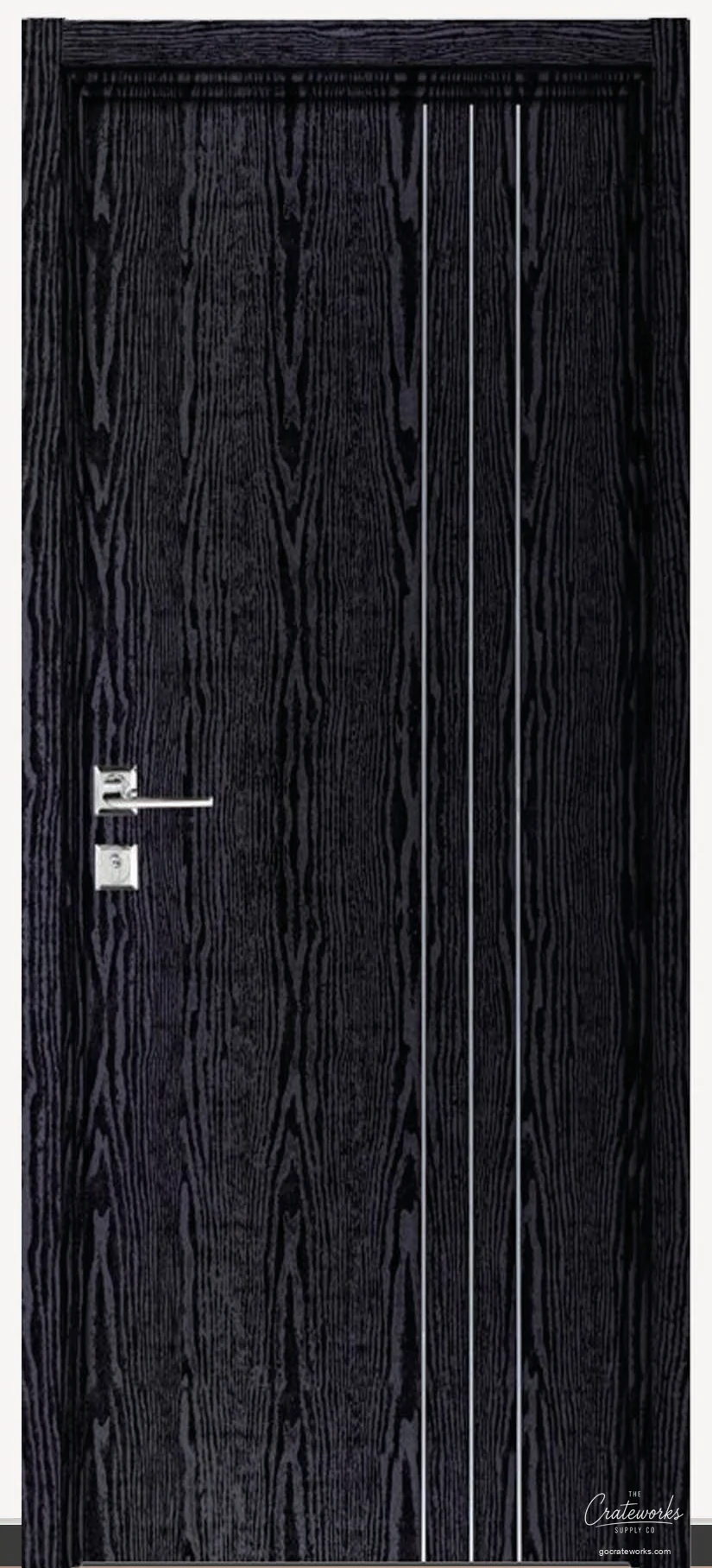
Flush Interior Door with Vertical Reveals
Quoted to spec
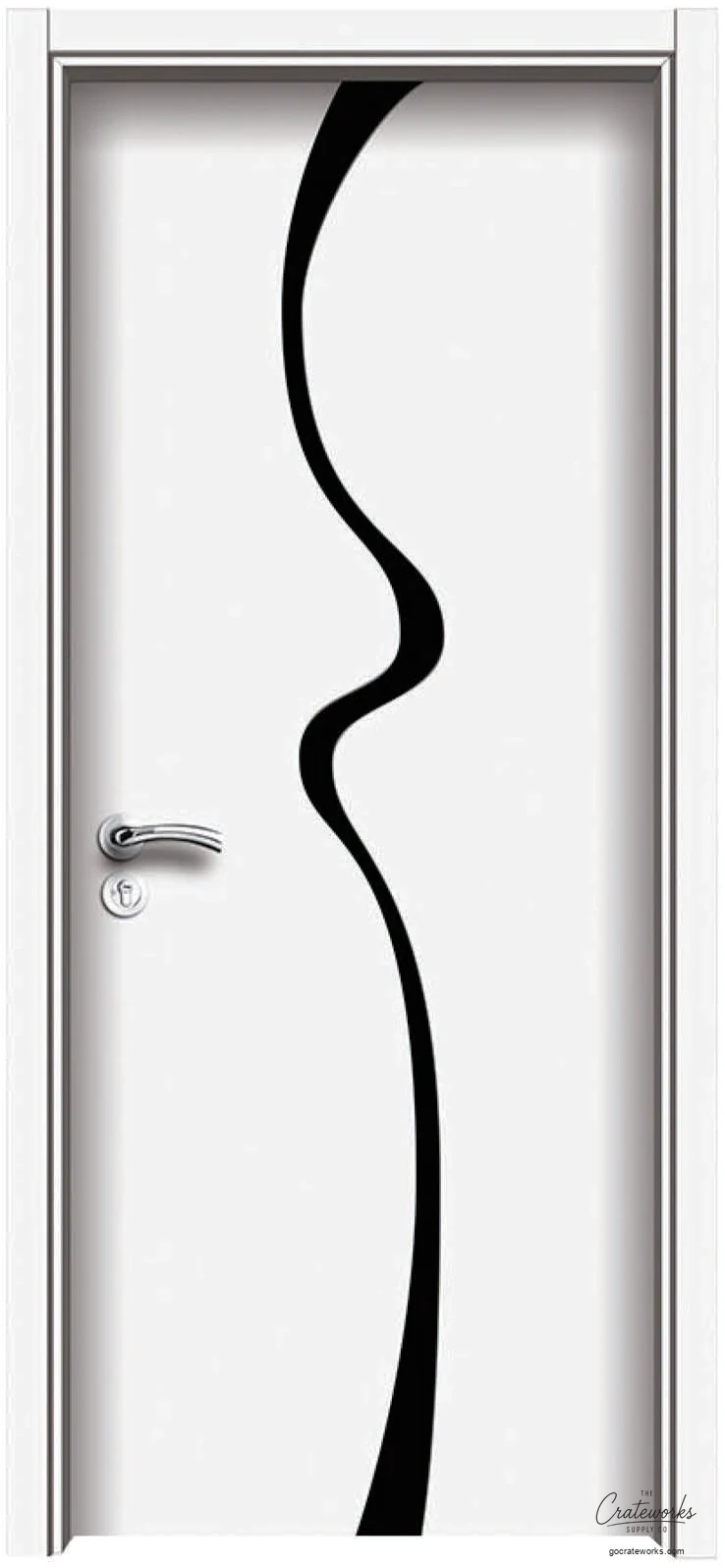
Flush Interior Door with Wave Inlay
Quoted to spec
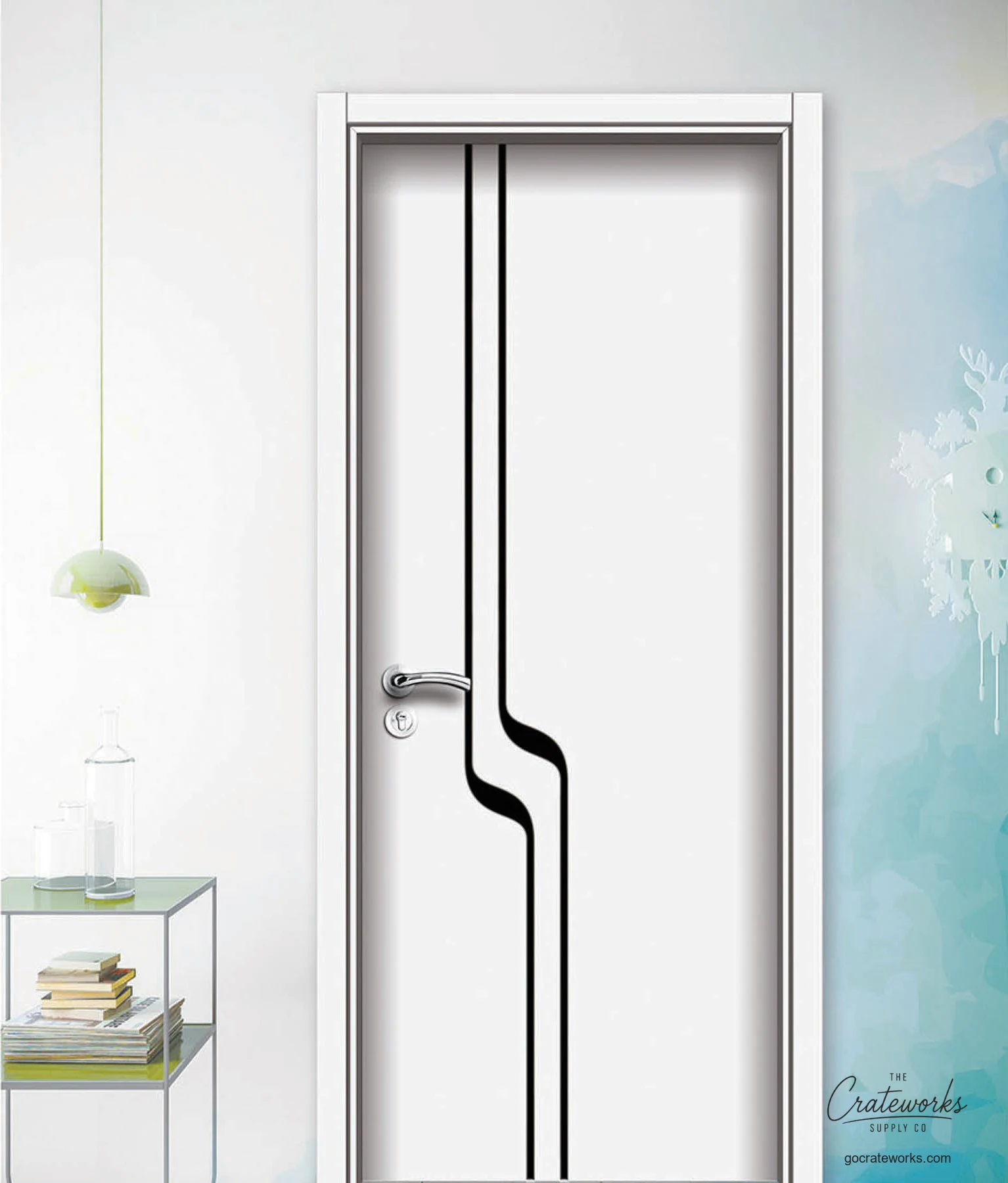
Flush Interior Door with Zigzag Inlay
Quoted to spec
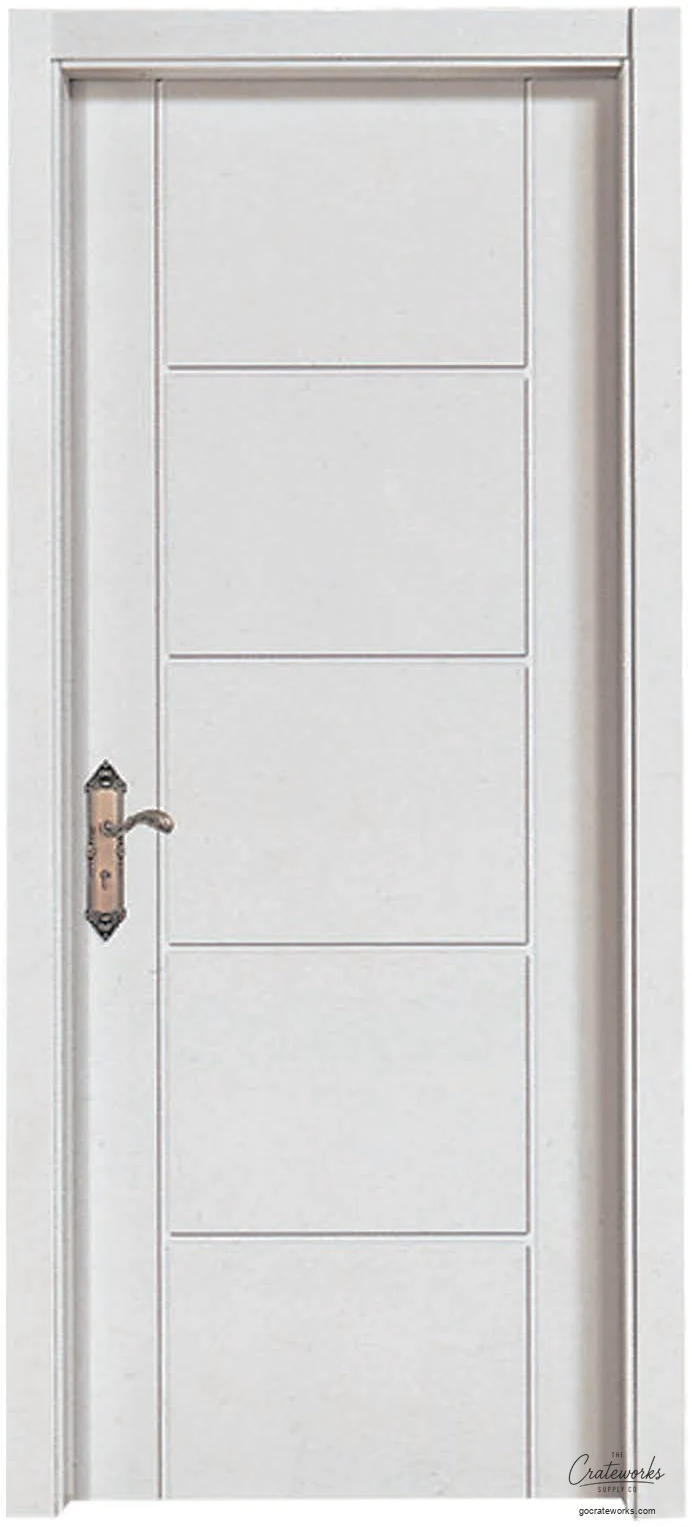
Horizontal-Ladder Flush Interior Door
Quoted to spec
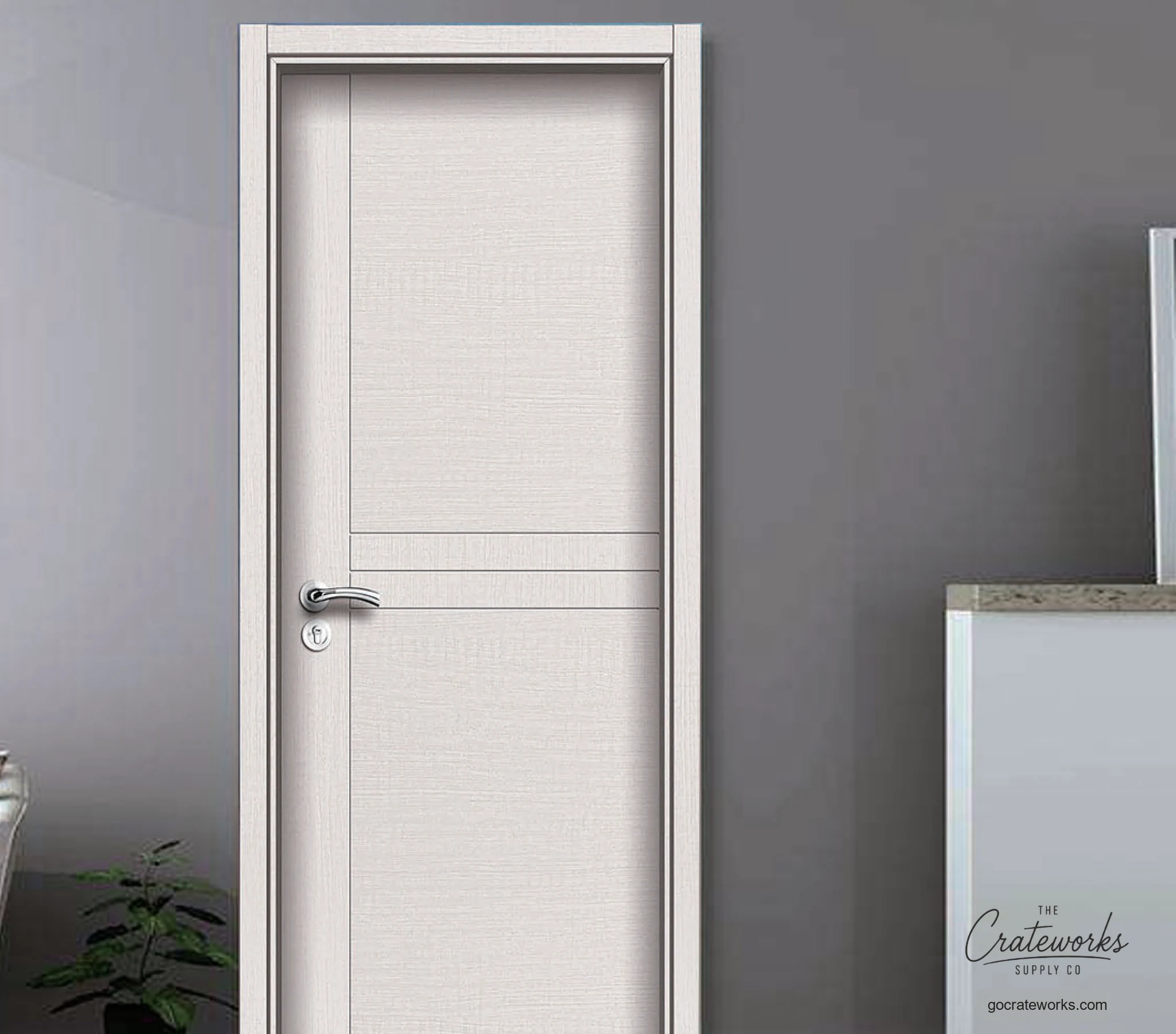
Modern 2-Panel Interior Door
Quoted to spec
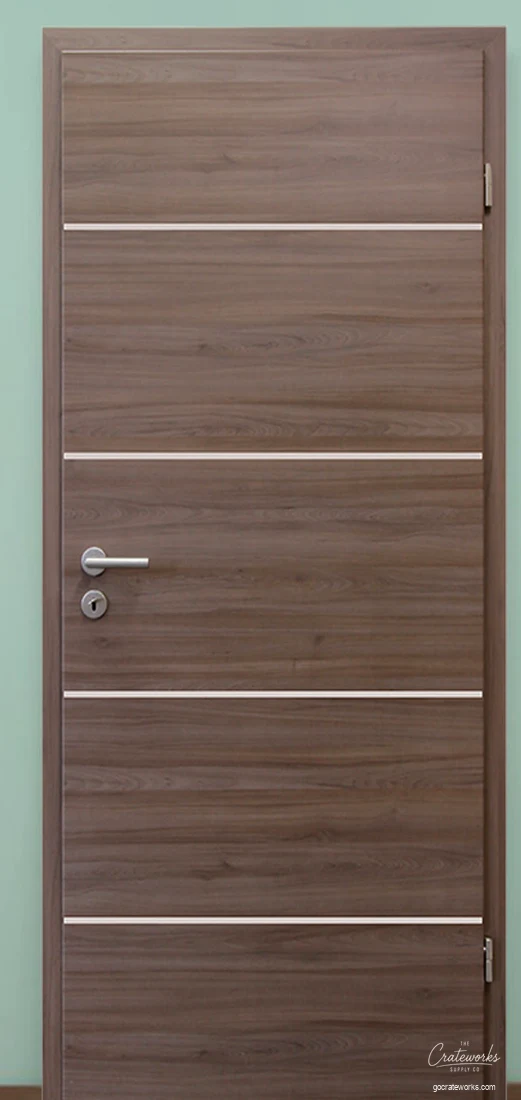
Modern Flush Interior Door with Aluminum Inlay
Quoted to spec
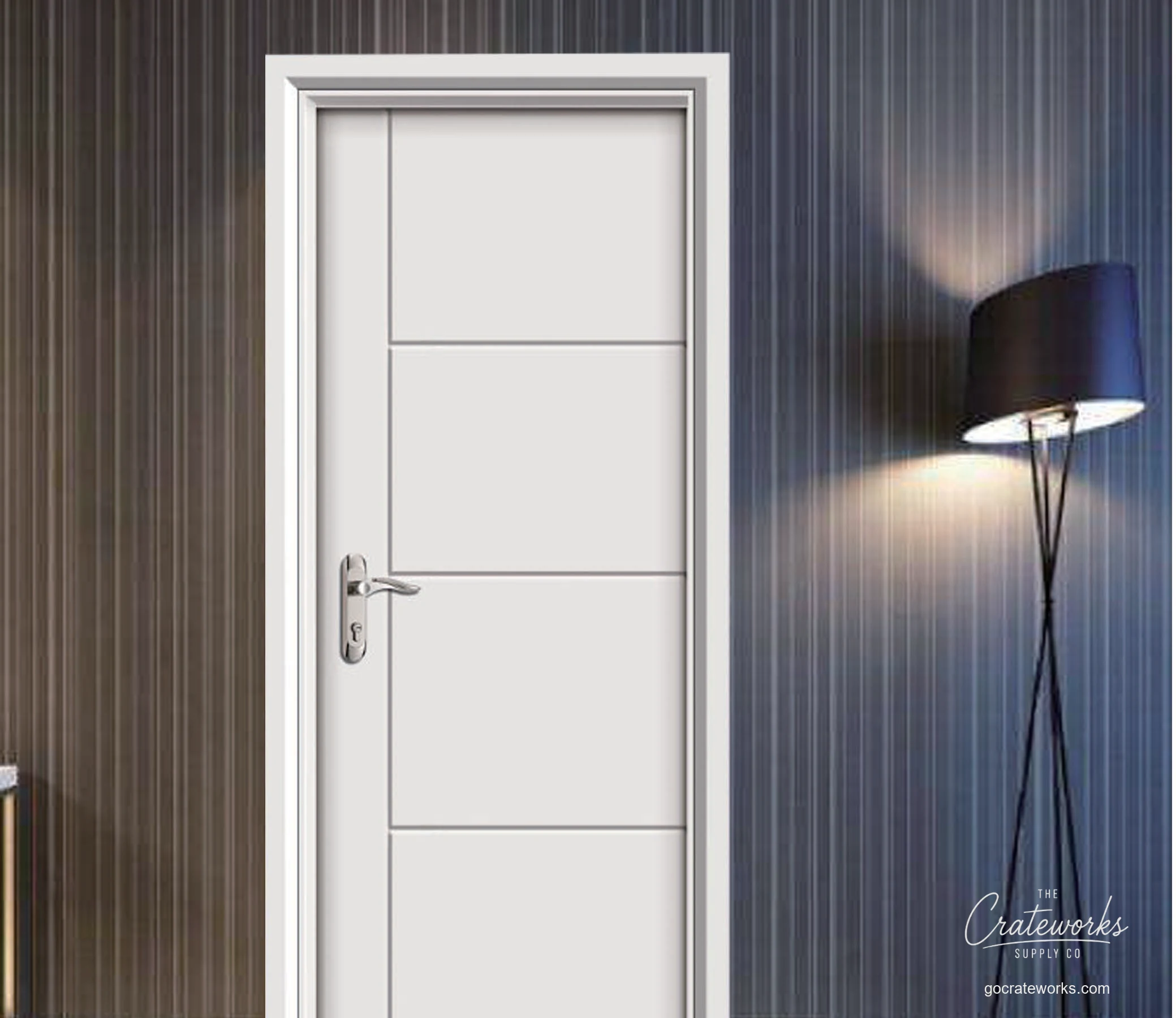
Modern Flush Interior Door with Horizontal Reveal
Quoted to spec
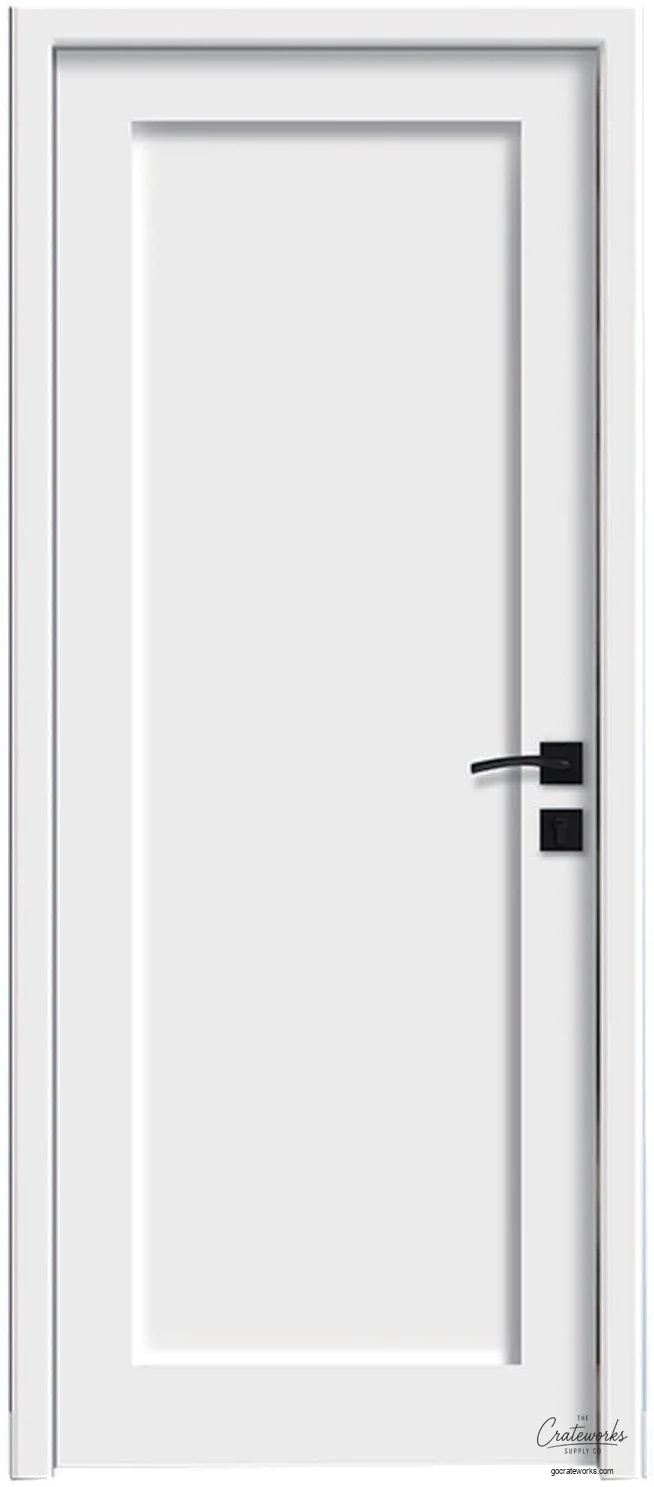
Shaker 1-Panel Interior Door
Quoted to spec
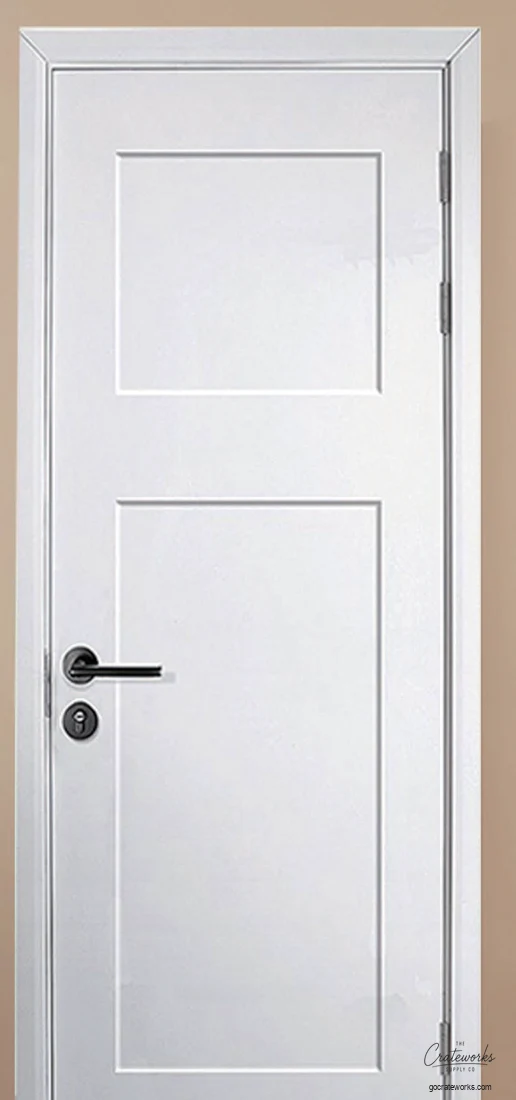
Shaker 2-Panel Interior Door
Quoted to spec
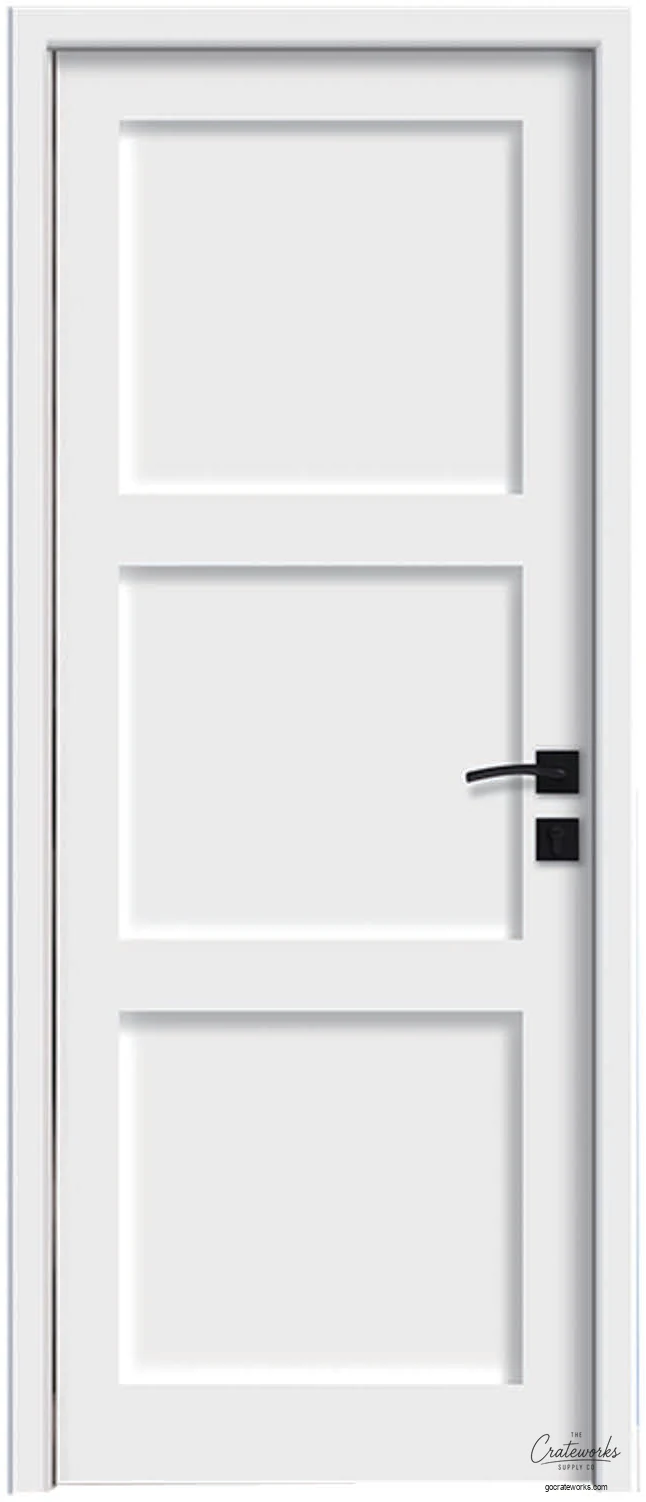
Shaker 3-Panel Interior Door
Quoted to spec
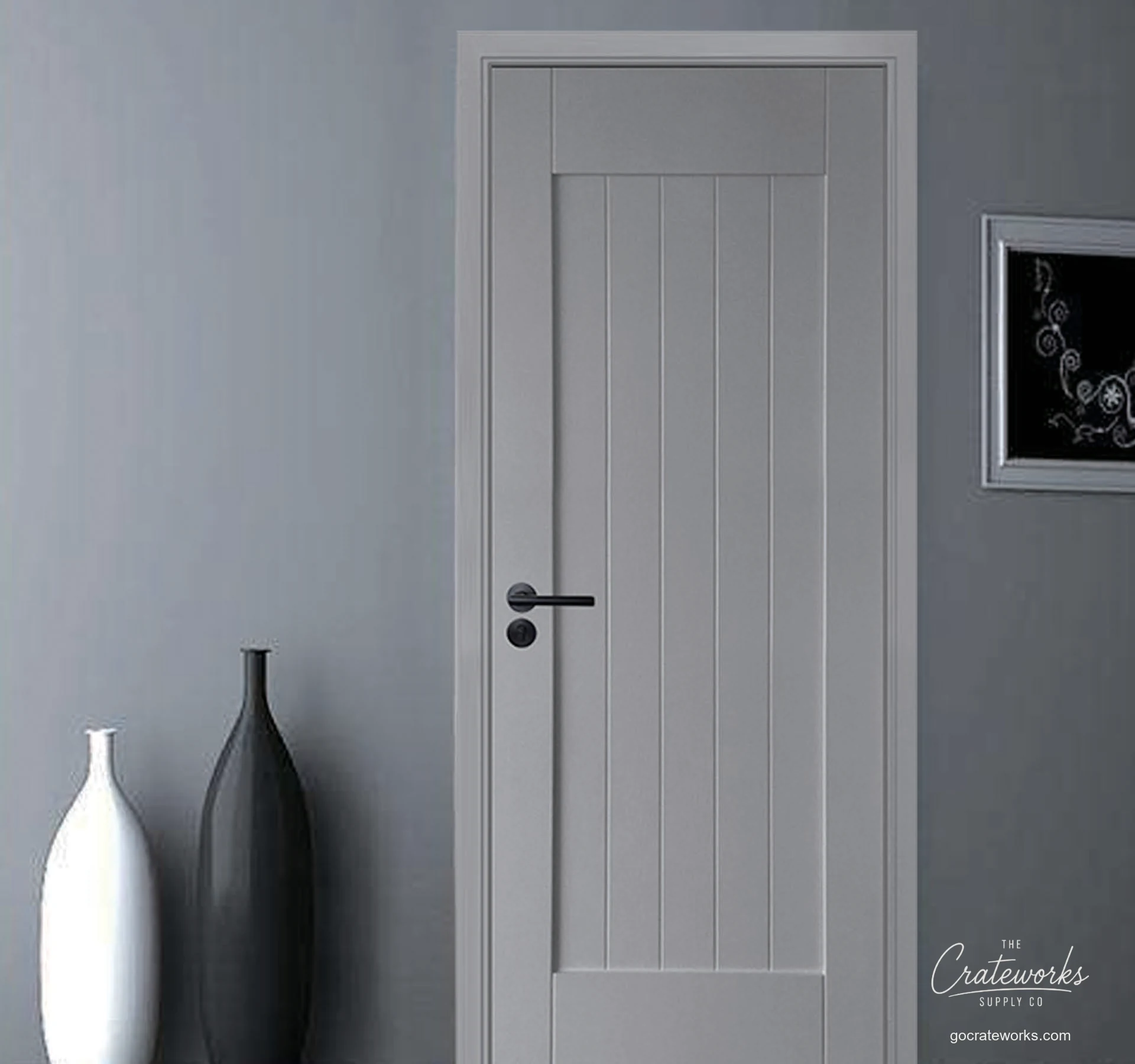
Shaker Plank Interior Door
Quoted to spec
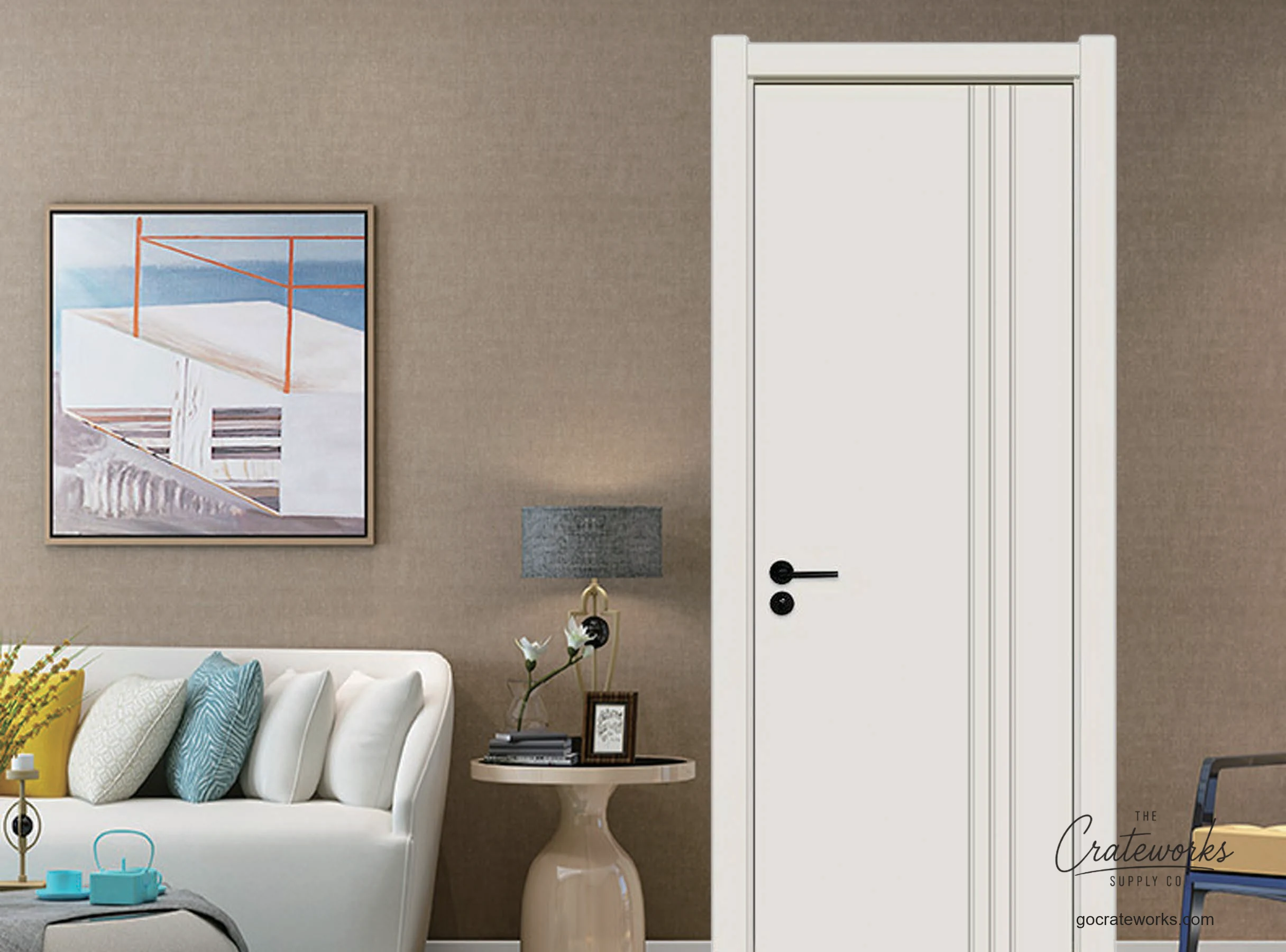
Single-Panel Interior Door with Vertical Reveal
Quoted to spec
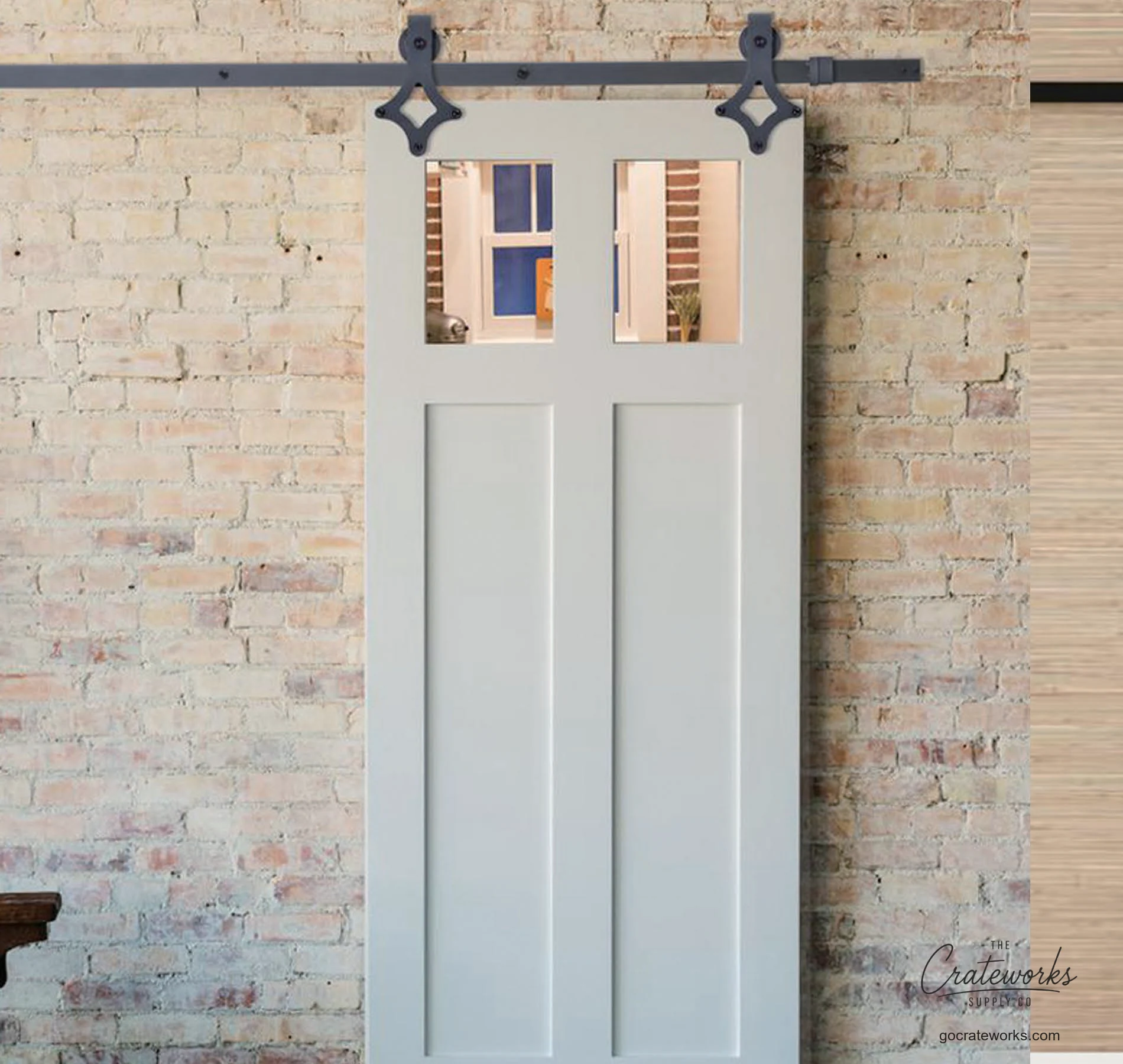
Sliding Barn Door with Craftsman Window Lites
Quoted to spec
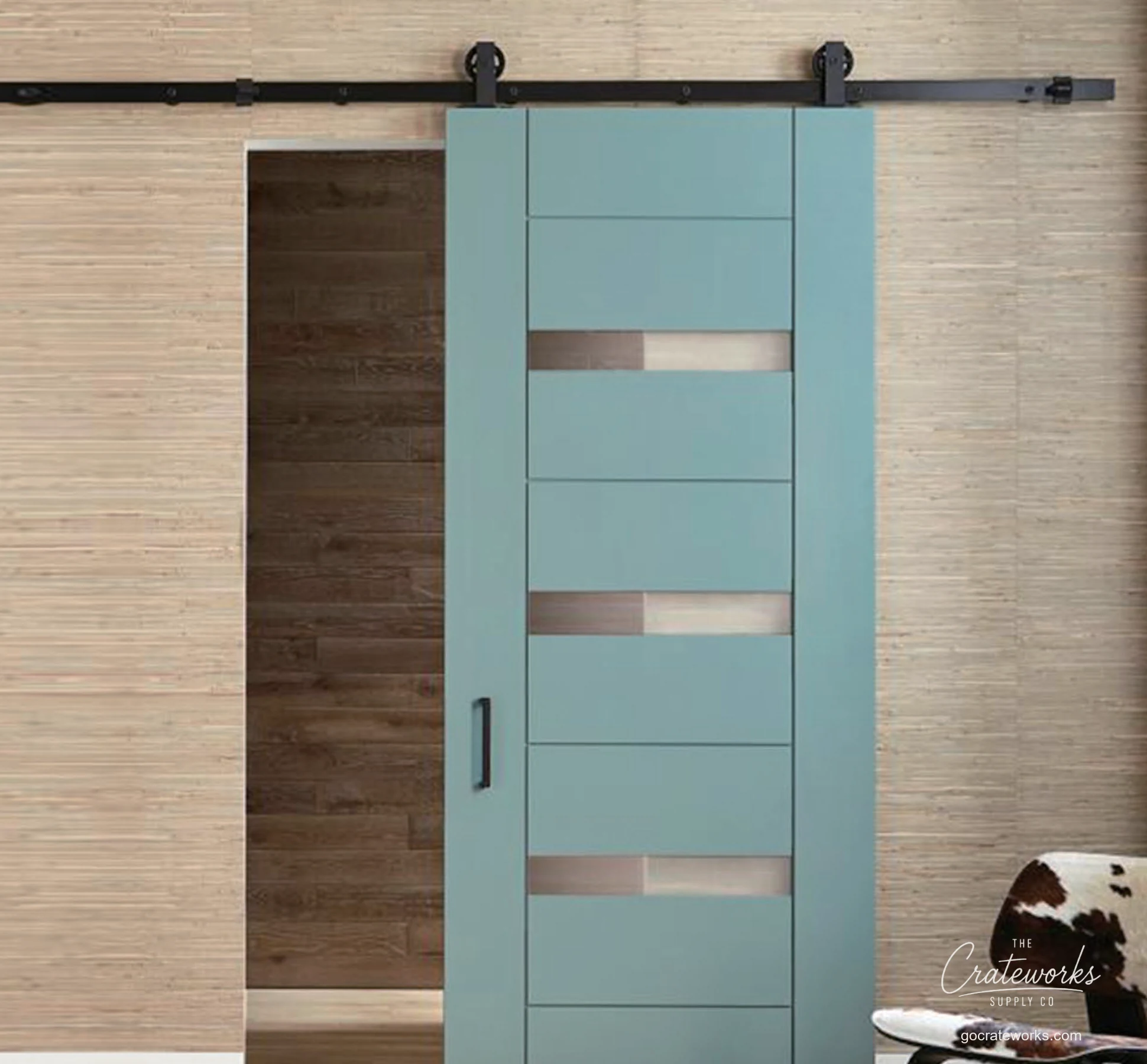
Sliding Barn Door with Frosted-Glass Insert
Quoted to spec
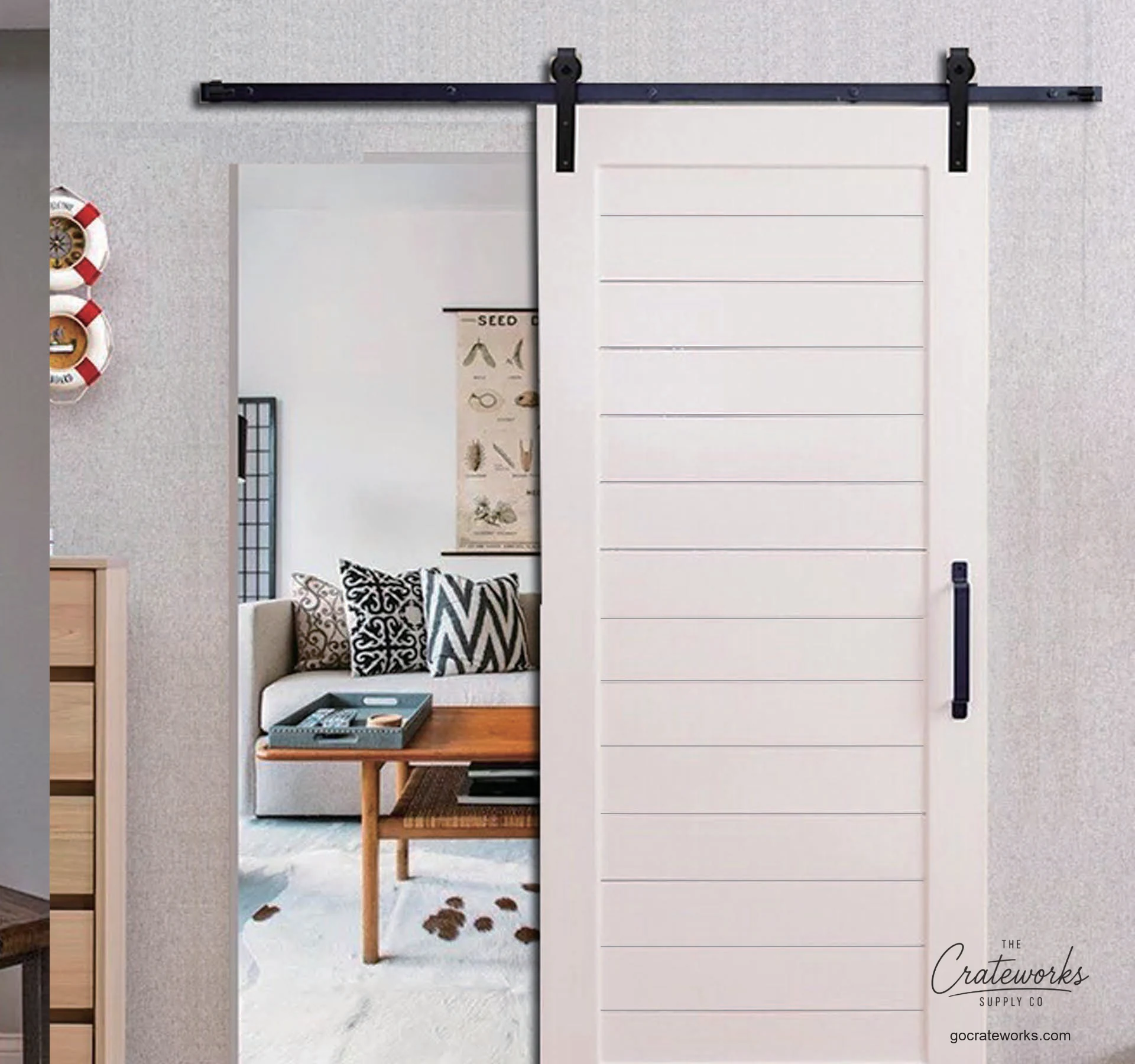
Sliding Barn Door, Horizontal Plank
Quoted to spec
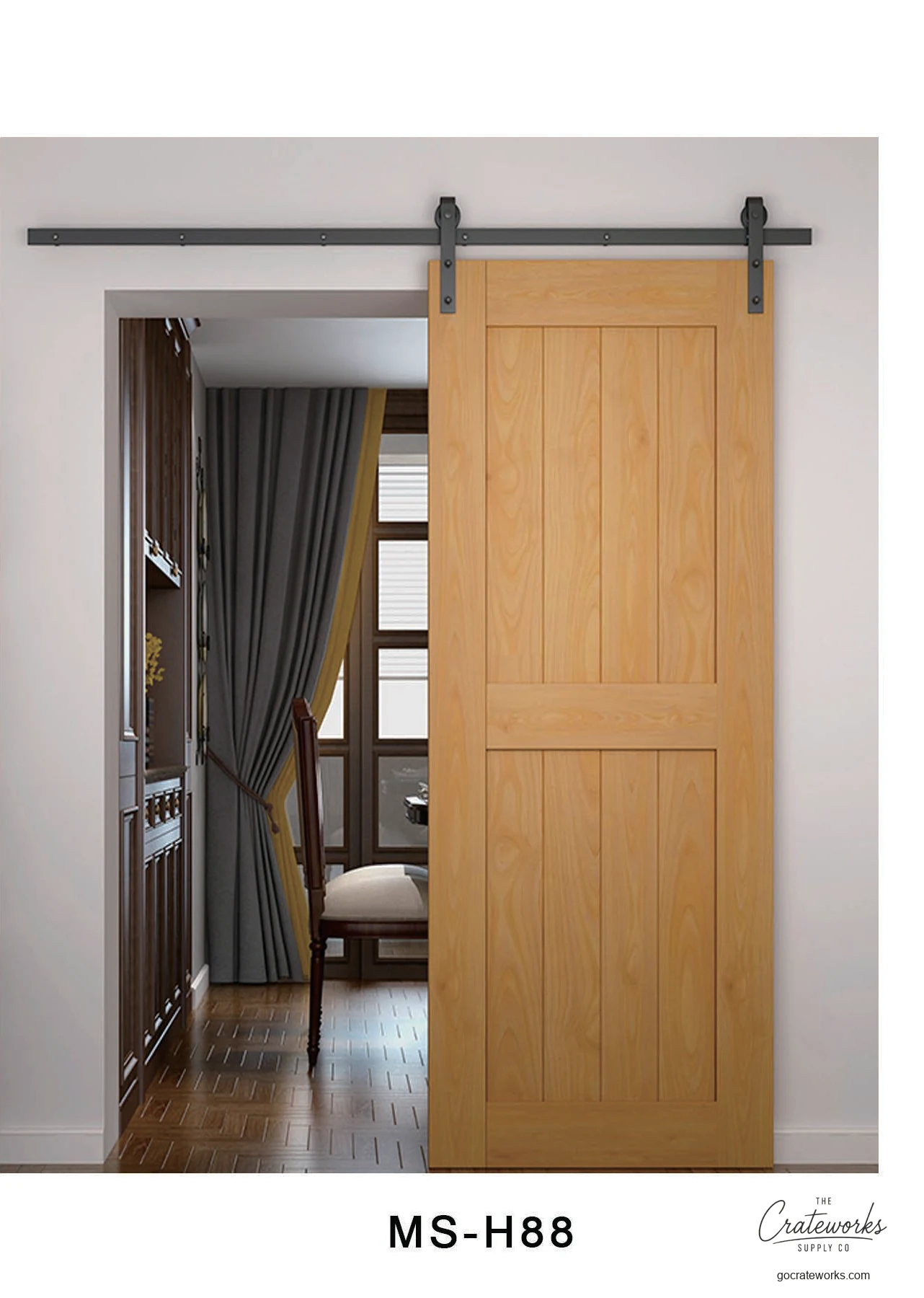
Sliding Barn Door, K-Brace
Quoted to spec
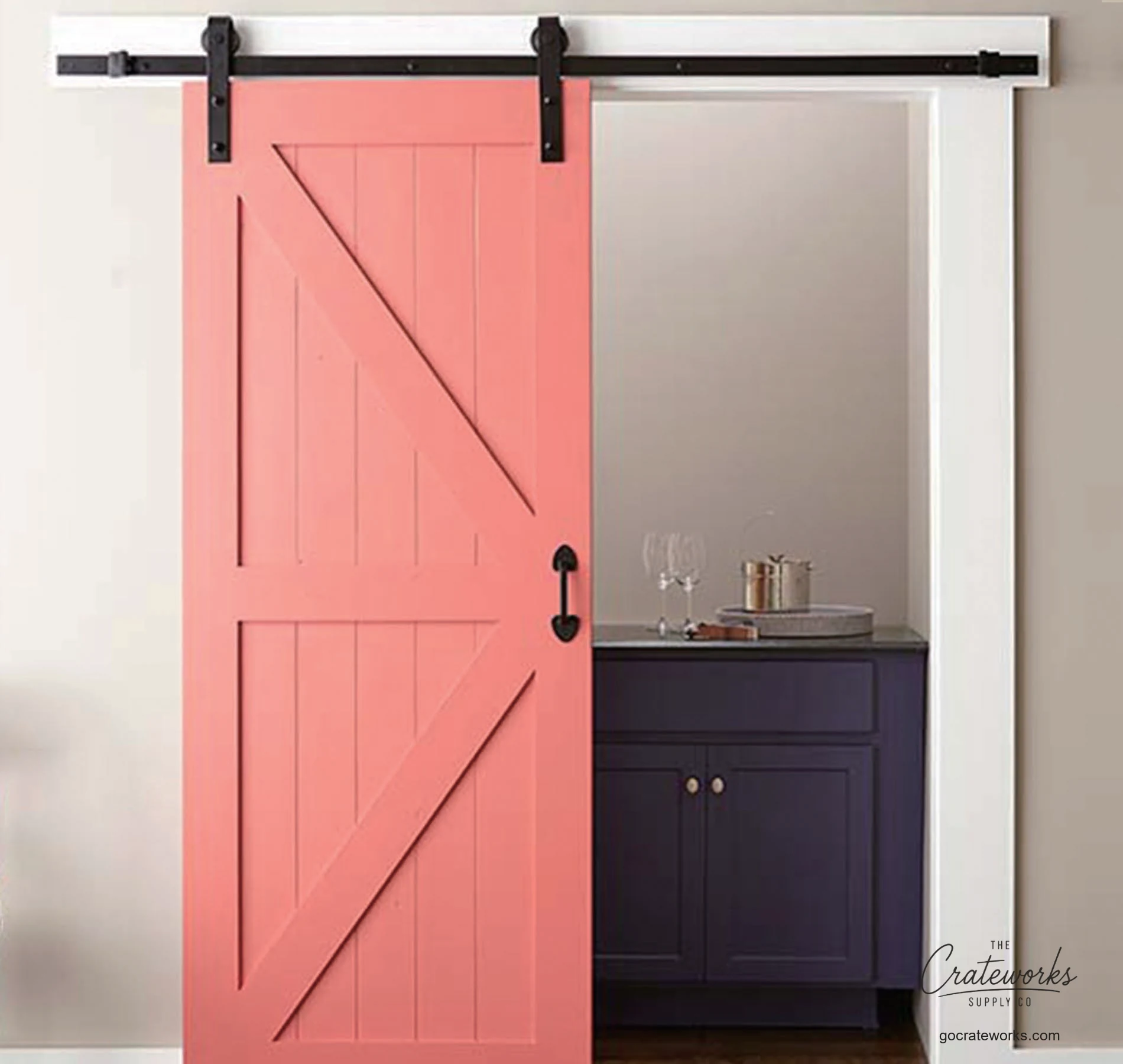
Sliding Barn Door, K-Brace Plank
Quoted to spec
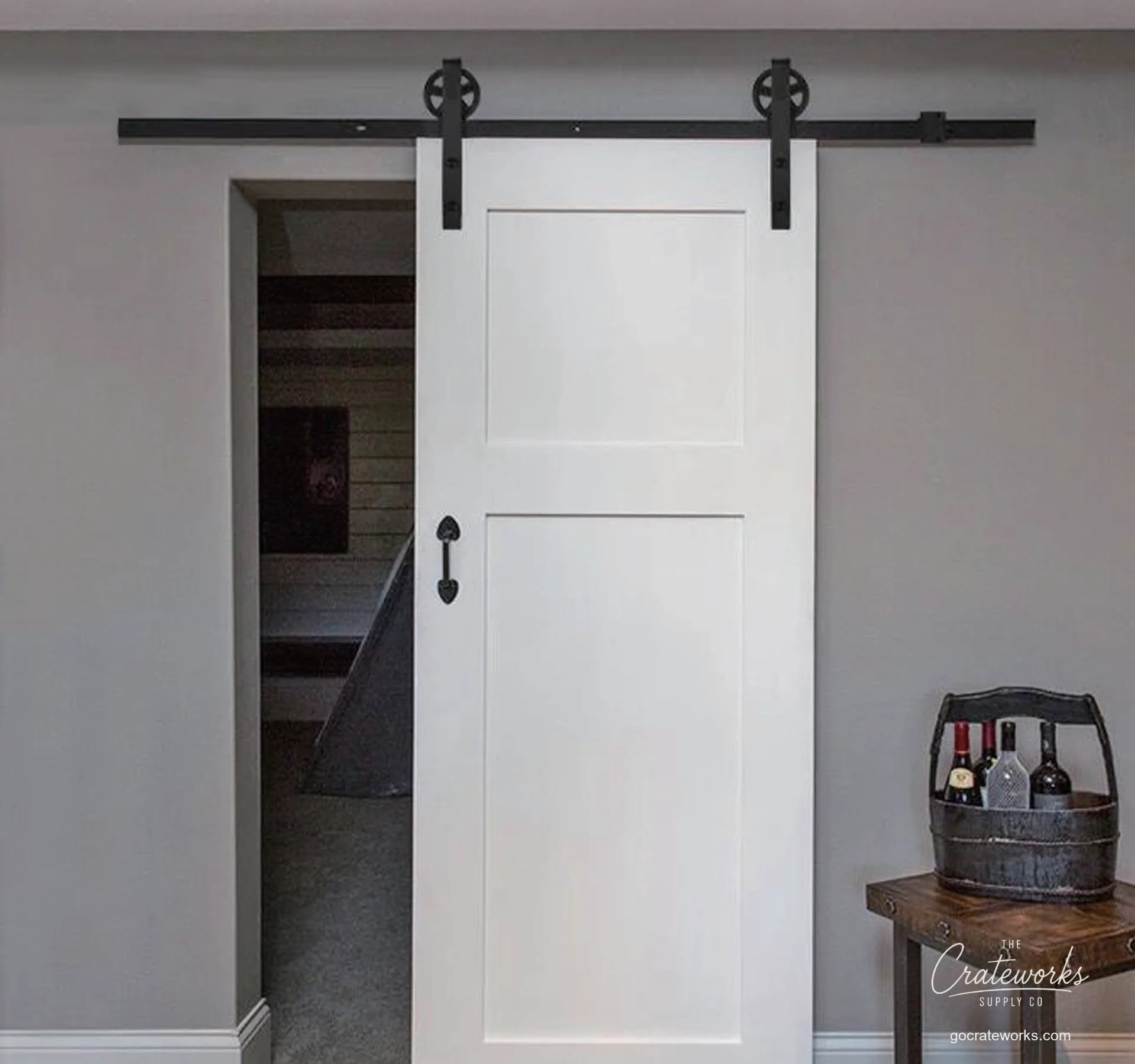
Sliding Barn Door, Shaker 2-Panel
Quoted to spec
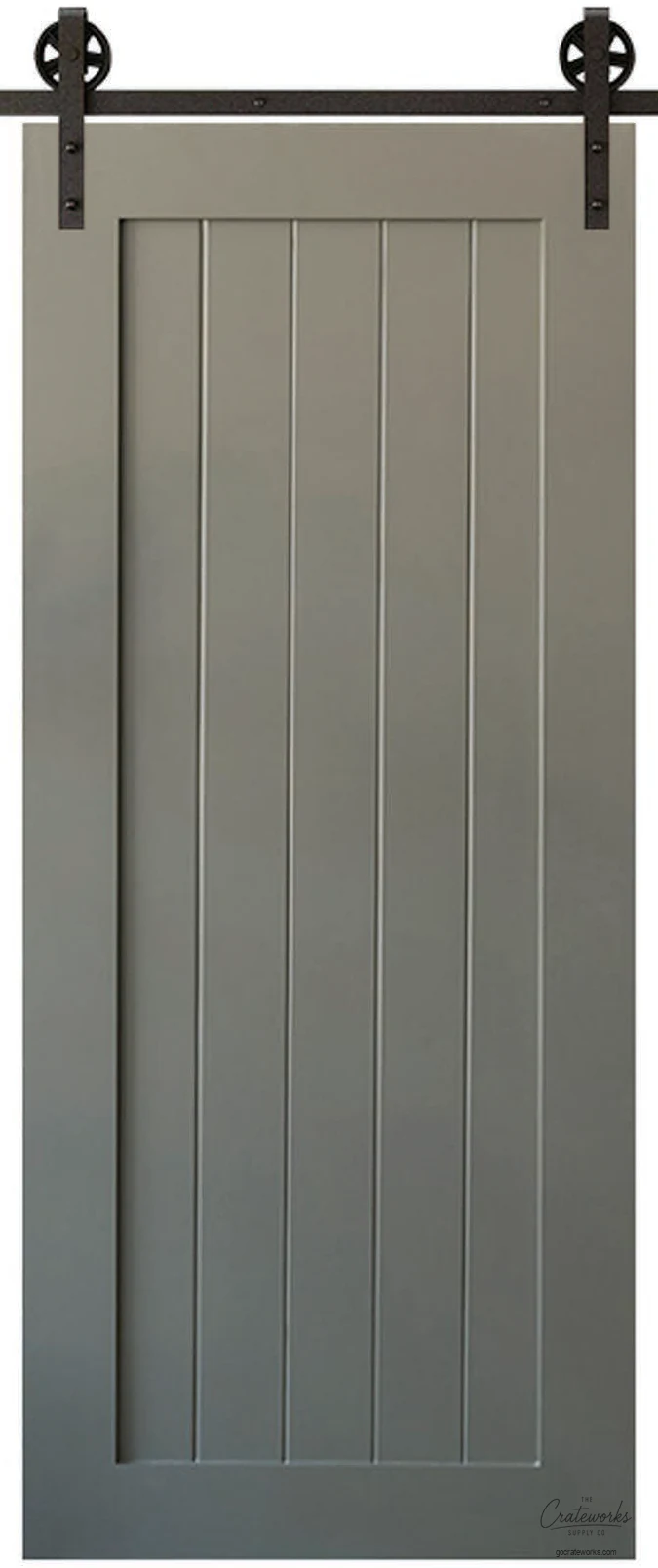
Sliding Barn Door, Vertical Plank
Quoted to spec
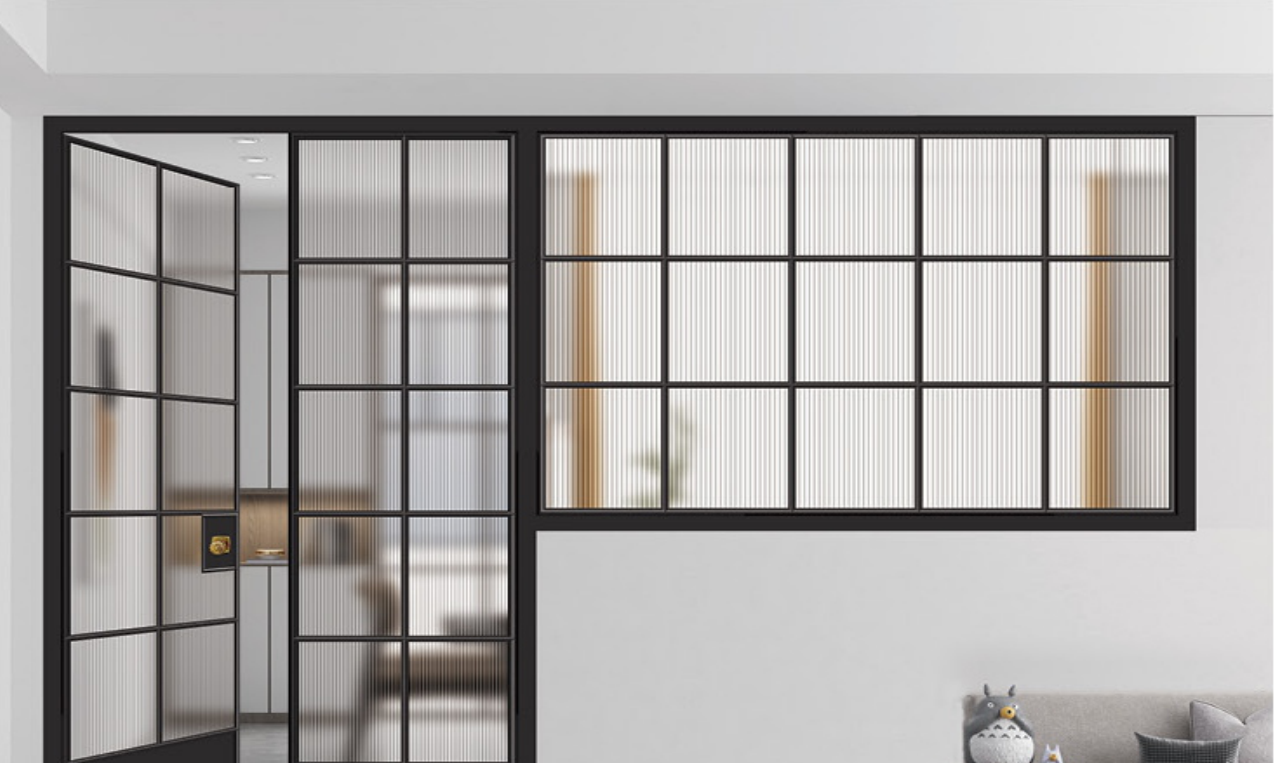
Steel-Look Aluminum Partition Door
Quoted to spec
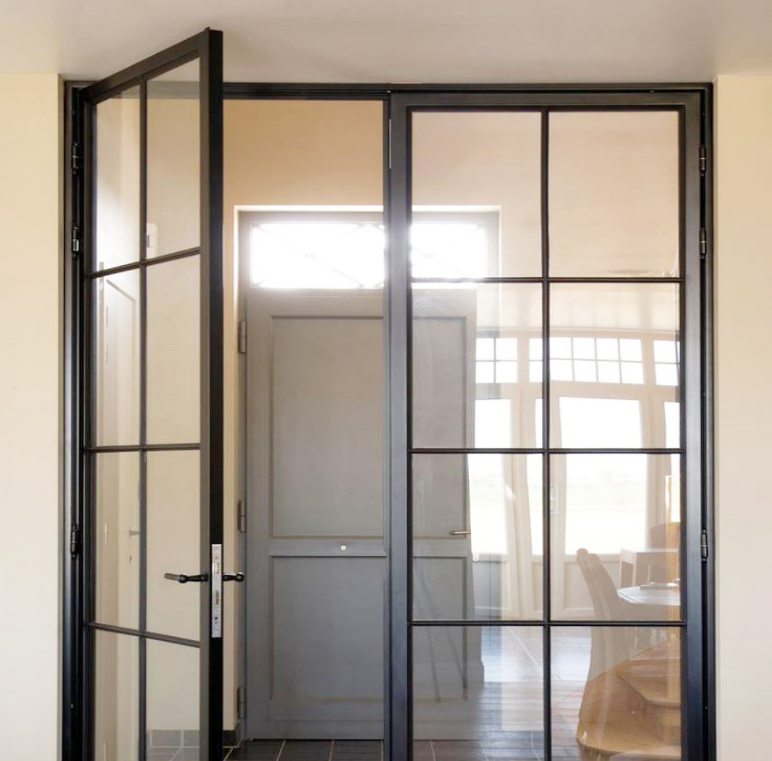
Steel-Look Aluminum Pivot Door
Quoted to spec
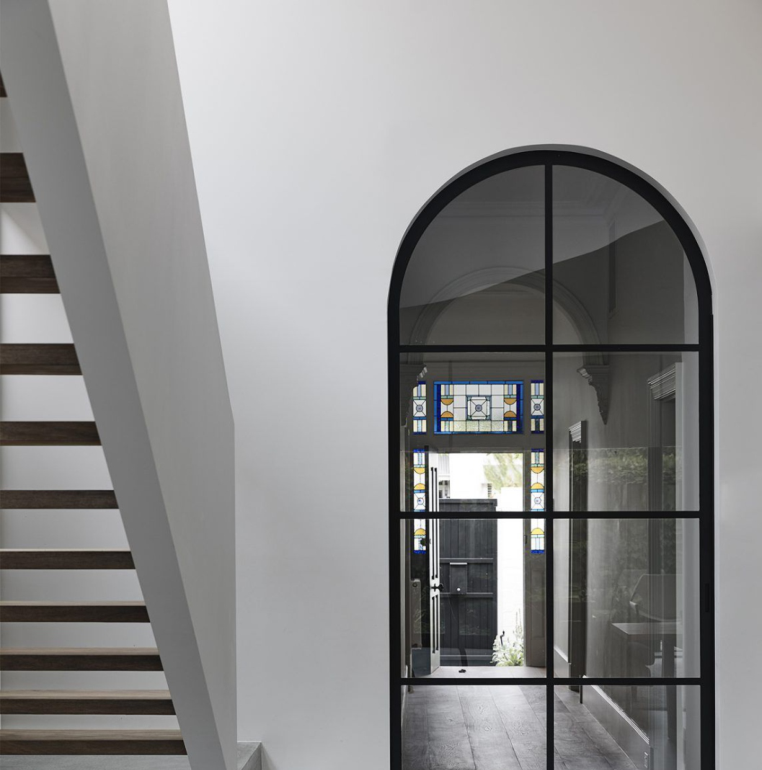
Steel-Look Arched Interior Doorway
Quoted to spec
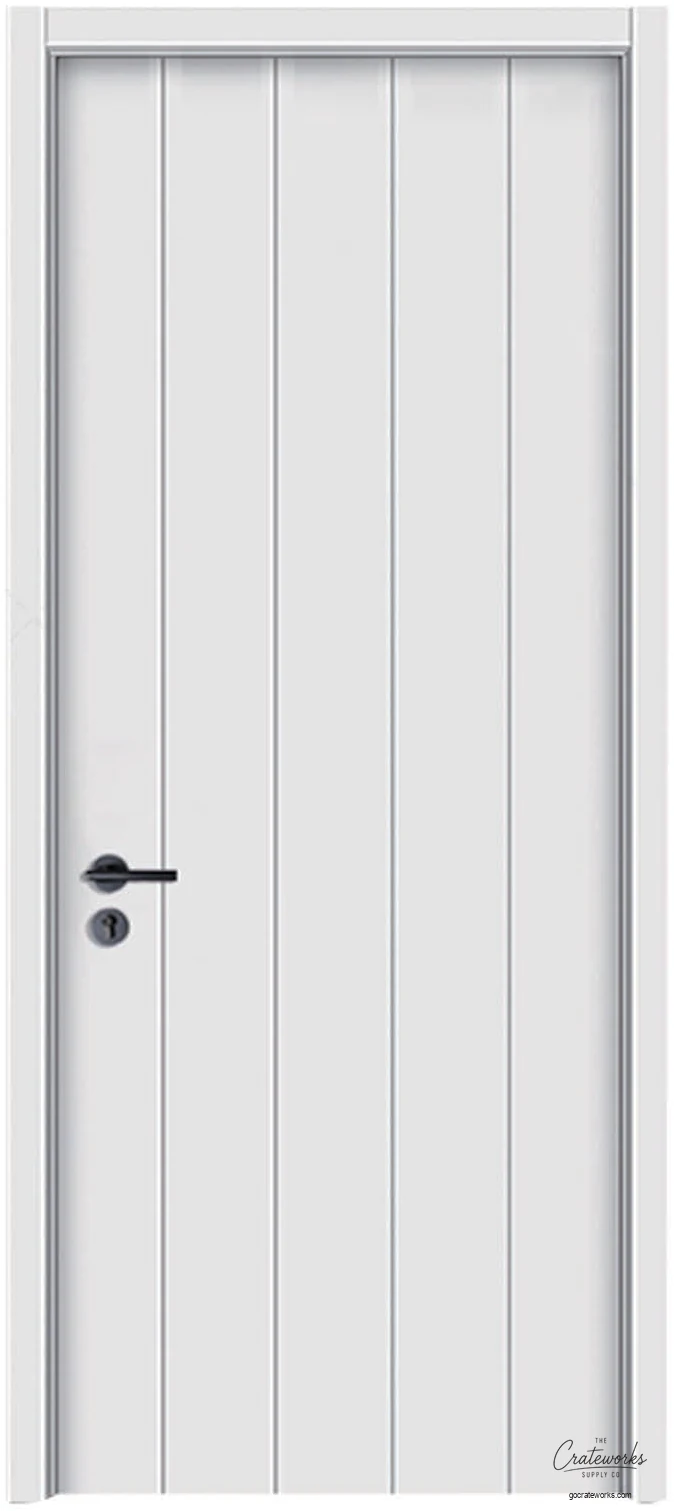
Vertical-Plank Flush Interior Door
Quoted to spec
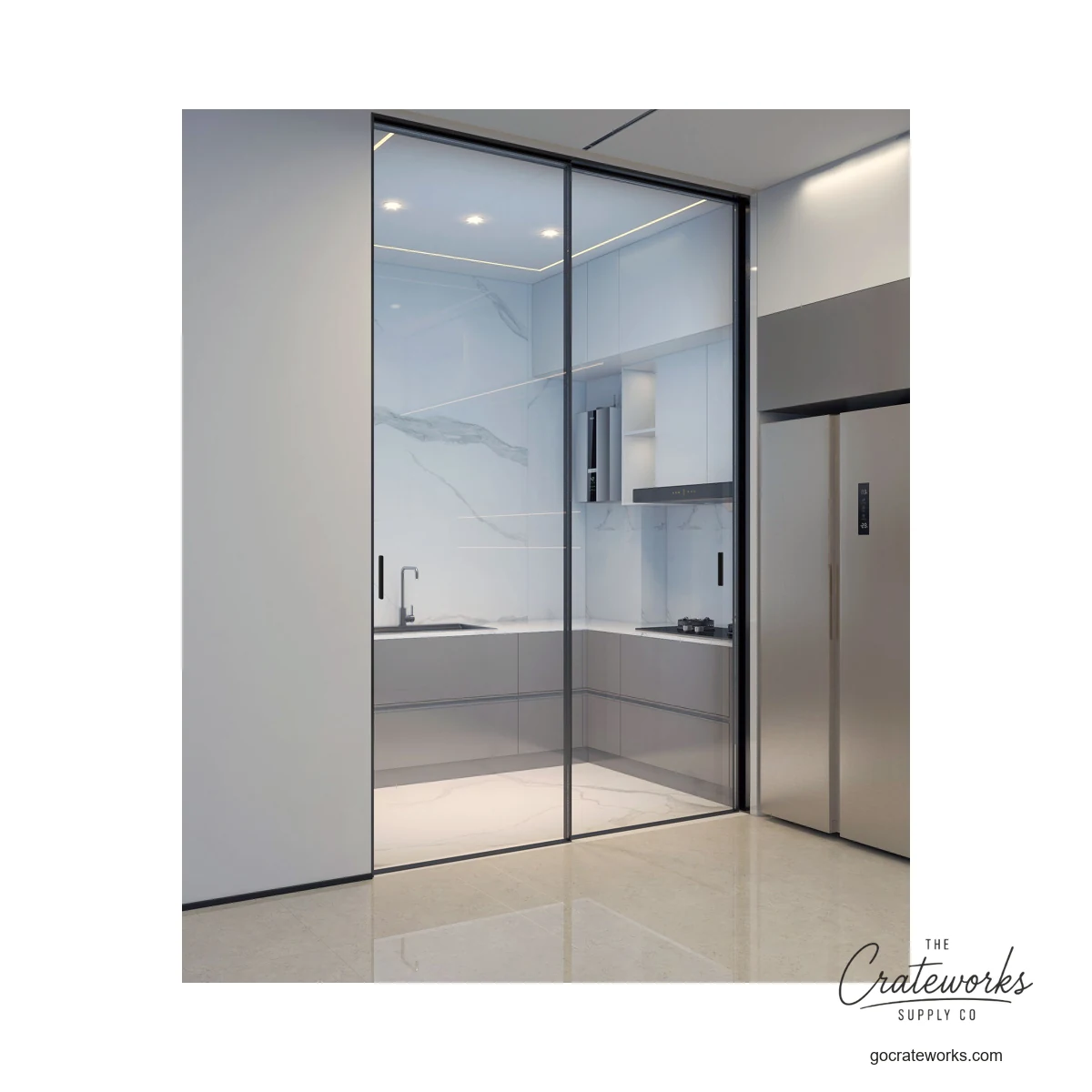
Vista Slim Partition Door
Quoted to spec